


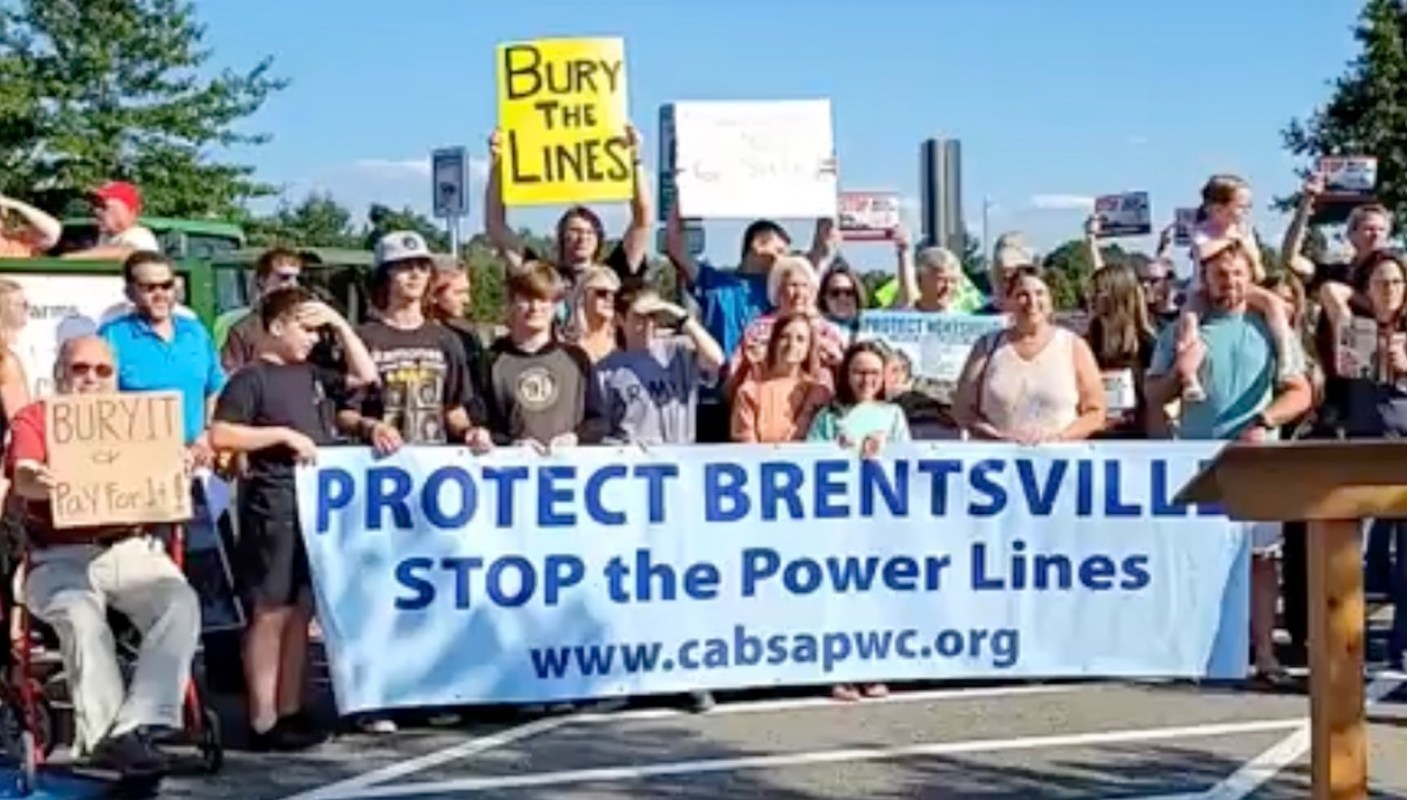
Ten years later, Virginia regulators are yet again grappling with a question that could directly affect household budgets: If data centers require costly new power lines, who should pay the bill?
In a state where data-center growth is booming, the answer could shape electricity costs for decades.
What's happening?
The Prince William Times reported that the fight goes back to 2016, when Prince William County resident Elena Schlossberg spearheaded a push to make Amazon cover the cost of a six-mile transmission line for a Haymarket data center.
That effort did not succeed, and residents have footed the bill ever since.
A decade later, the same issue has returned to Virginia's State Corporation Commission, which oversees utilities. At a three-day hearing held July 14-16, participants generally agreed that data centers should bear the cost of the infrastructure they drive, according to the Times.
Even so, the hearing closed without a ruling that would shift those expenses to data centers.
TCD Picks » Quince Spotlight
💡These best-sellers from Quince deliver affordable, sustainable luxury for all




At the same time, Dominion Energy is trying to designate roughly $1.5 billion in new transmission costs to its various customer groups.
A 2024 state audit estimated Dominion may spend $16 billion to $18 billion by 2040 on transmission tied to data centers. Under the current setup, residential customers would cover 55% of that total, compared with 26% for data centers.
Why does it matter?
For households, transmission is already a meaningful part of the power bill — about 13% for a typical residential customer, the Times reported. Roughly half of that is tied to new projects.
That means families can end up paying for the grid upgrades needed to serve some of the state's largest and most energy-intensive customers.
As utility bills rise, those added costs can put more pressure on budgets already strained by housing, groceries, transportation, and summer cooling expenses.
Higher electric bills also leave families with less room to invest in home improvements such as insulation, energy-efficient appliances, or electric HVAC systems that can reduce pollution and lower costs over time, while also making them bear the burden of corporate expansion.
What's being done?
Among the proposals discussed at the hearing were mandatory contributions in aid of construction, or CIACs. That approach would require data centers to pay up front for the facilities built to serve them, instead of having those costs show up on other customers' bills.
As the Times noted, one utility, Northern Virginia Electric Cooperative, has already used that model: NOVEC vice president for commercial operations Katherine Bond said the co-op had collected $1.7 billion in advance payments from data centers for substations.
Other proposals included accepting voluntary payments, and Dominion proposed putting all new data center infrastructure into a new large-load rate class scheduled to take effect Jan. 1.
After years of debate, the core principle remains straightforward. As multiple participants at the hearing pointed out, per the Times, "Cost-causers should pay the costs they cause."

Get TCD's free newsletters for easy tips, smart advice, and a chance to earn $5,000 toward home upgrades. To see more stories like this one, change your Google preferences here.






