


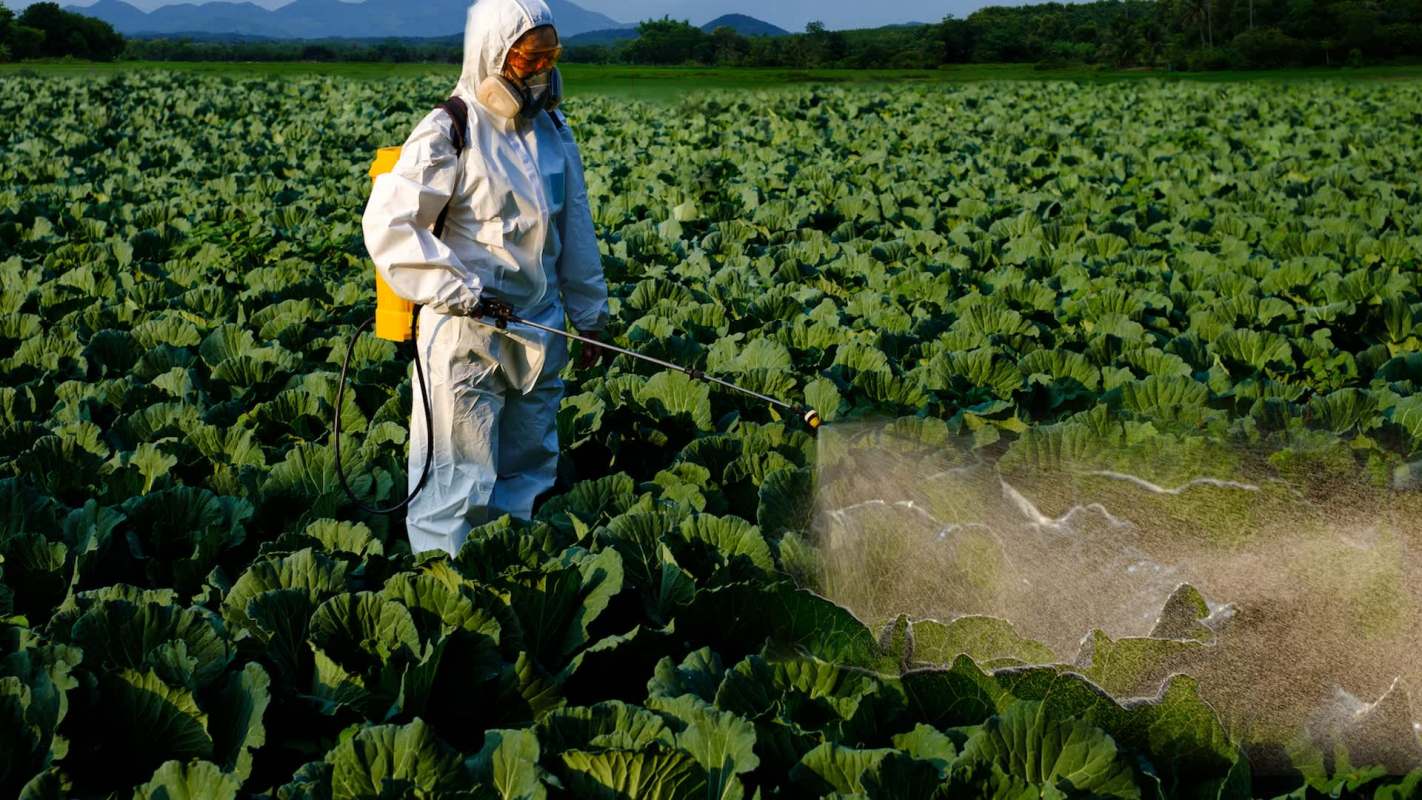
Vermont just became the first state in the U.S. to ban paraquat. Lawmakers say the widely used weed killer is linked to a higher risk of Parkinson's disease, a progressive neurological condition that affects movement, speech, and quality of life.
The move could help protect farmworkers, nearby communities, and consumers from exposure to a chemical that has faced growing scrutiny for years.
According to The Guardian, Gov. Phil Scott signed the legislation on Tuesday, making Vermont the first state to prohibit the use of paraquat. The ban takes effect Nov. 1, though it includes a temporary permit process for use on tree-fruit orchards, berries, and other small-fruit crops through Dec. 31, 2030.
The law also requires annual disclosure of any paraquat use in Vermont and funds a study of alternatives for farmers. That carveout reflects concerns from some lawmakers that an immediate full ban could make Vermont growers less competitive if farmers in other states can still use the chemical.
Still, supporters said the health risks were too serious to ignore. Earlier versions of the bill cited National Institutes of Health studies linking paraquat exposure to a higher risk of Parkinson's, along with other research connecting the chemical to Non-Hodgkin lymphoma and childhood leukemia.
Paraquat has been used in the U.S. since 1964 and is still widely applied on crops including soybeans, corn, cotton, grapes, pistachios, and peanuts. It is already known to be highly toxic if swallowed, even in small amounts.
TCD Picks » Quince Spotlight
💡These best-sellers from Quince deliver affordable, sustainable luxury for all




The debate has focused on whether repeated exposure can contribute to Parkinson's disease. According to the World Health Organization, cited by The Guardian, the number of people living with Parkinson's has risen to more than double what it was 25 years ago.
Vermont's law is part of a broader push to phase out paraquat. Lawmakers in several other states have introduced similar bills, and some federal lawmakers have also called for a nationwide ban.
Meanwhile, Syngenta said in April it would stop making paraquat and end efforts to market paraquat products in the U.S. and other countries, though generic versions are still available. The company has long denied any credible link between paraquat and Parkinson's, even as more than 8,000 related lawsuits were still pending in U.S. courts.
"There are so many factors that are pointing to the correlation … between paraquat use and Parkinson's," Vermont state Rep. Michelle Bos-Lun said.
Dan Feehan, the Michael J. Fox Foundation for Parkinson's Research's chief policy and government affairs officer, added: "Other states should follow Vermont's lead – and the federal government has an obligation to protect all Americans with a national paraquat ban."

Get TCD's free newsletters for easy tips, smart advice, and a chance to earn $5,000 toward home upgrades. To see more stories like this one, change your Google preferences here.






