


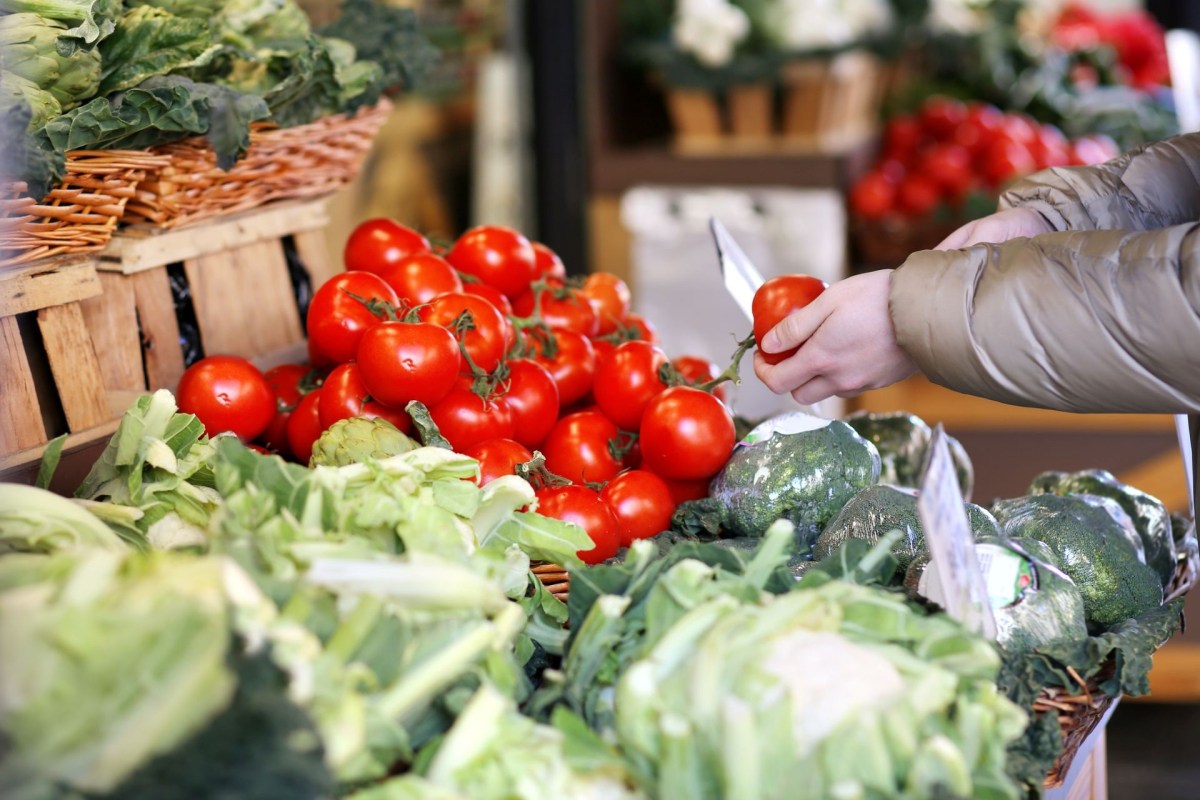
Some Burlington farmers market shoppers are noticing a different vendor balance than in the past. As WCAX reports, fewer farmers seem to be showing up while craft vendors take up more space, underscoring how difficult it can be for growers to justify the expense of attending.
For farmers, the problem is not necessarily a lack of customer interest. A full day at the market can mean long hours, travel, staffing, and the risk of unsold product, without generating the income needed to keep a farm business running.
Here's what to know
Farmers who spoke with the station said the market still offers visibility and a strong sense of community, but that does not always translate into meaningful profit.
Fresh Roots Farm's Coleman Colburn told WCAX that nearly 18 hours of labor go into a single market day. He said that investment helps him connect with customers more than it boosts revenue.
He said, "They'll meet me, the farmer, they'll see the produce, they'll come back week after week. And then because it's just once a week, they'll go find our product elsewhere."
For Hudak Farm, Sarah Coon said the drive from Franklin County to Chittenden County is useful because it introduces the farm to new customers, even if the market is not a major source of income.
TCD Picks » Quince Spotlight
💡These best-sellers from Quince deliver affordable, sustainable luxury for all




"Actually our biggest source of income is our farmstand," Coon said.
Colburn likewise said his profits come from wholesaling to grocery stores.
More background
Running a market stall can require harvesting, packing, transporting, setting up, staffing, and hours of selling in unpredictable weather.
At The Farm Upstream in Jericho, co-owner Tucker Andrews said stepping away from farmers markets made sense both to keep produce out of the heat and to avoid expenses he believes put pressure on vendors and shoppers alike.
At his farm, he said, "Here, it's like a climate-controlled environment. If it doesn't sell, put it back in the cooler, bring it out the next day. It's totally fine."
Instead, Andrews said, his business depends on sales made at the farm.
He added, "With my income as a farmer, I can't afford to shop at the farmer's market. Which is strange, but true."
The shift could mean fewer chances to buy directly from growers in one central place.
What can be done?
Farmers interviewed by WCAX pointed to wholesale partnerships, farmstands, and on-farm sales as the channels helping keep their businesses afloat.
If a favorite grower is no longer at the market, their products may still be available at a nearby store or directly from the farm.
Some shoppers, meanwhile, remain willing to pay more for local produce despite the changing landscape.
Shopper Roxanne Martin of Cambridge said, "It's worth the extra money to pay for great vegetables."

Get TCD's free newsletters for easy tips, smart advice, and a chance to earn $5,000 toward home upgrades. To see more stories like this one, change your Google preferences here.






