


More than 300 vehicle safety recalls have already been recorded in 2026, and the pace shows little sign of slowing. For drivers, it is another reminder that design flaws and manufacturing missteps can turn an ordinary commute into a costly — or even dangerous — situation.
What happened?
So far this year, the National Highway Traffic Safety Administration has counted over 300 recalls from more than 100 manufacturers, How-To-Geek reported. Vehicles from Ford, Jeep, Honda, Toyota, Kia, and Subaru are among those affected.
A June 9 recall from Stellantis ranks among the largest recent cases, affecting about 1,076,999 Jeep Wrangler and Gladiator vehicles. The problem involves a faulty electrical connection in the power steering pump wiring, which can pose a fire risk even when the vehicle is turned off. NHTSA has linked the defect to 51 fires and one injury.
Honda also issued a recall on June 9, covering Pilot, Ridgeline, Passport, and Acura MDX vehicles in 23 states that use salt on roads in the winter. In those vehicles, factory paint on the rear subframe may fail, allowing corrosion to eat away at the metal until the part fails.
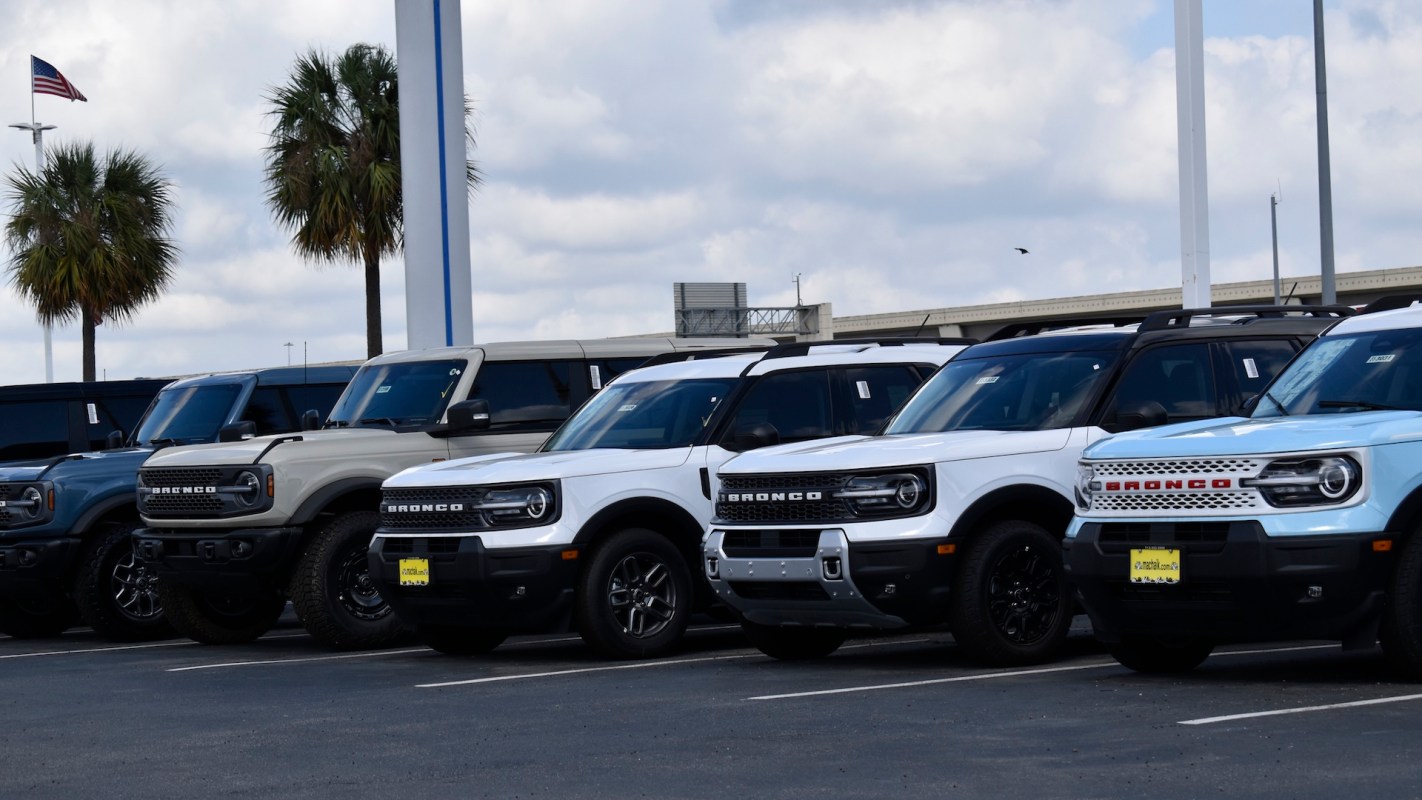
June has been particularly busy for Ford. From June 1 through June 16, the automaker filed seven separate recall campaigns. The biggest of them covers 419,967 Ford Expedition and Lincoln Navigator vehicles because a seat belt pretensioner may lock up and fail to properly hold an occupant during a crash. Two of Ford's recalls include a do-not-drive warning.
Why does it matter?
A recall can mean a fire risk in a parked vehicle, structural failure in states with harsh winter road conditions, or a seat belt that fails when it is needed most.
TCD Picks » Quince Spotlight
💡These best-sellers from Quince deliver affordable, sustainable luxury for all




Even when repairs are offered at no cost, recalls can still strain household budgets. Drivers may need to take time off work, arrange alternative transportation, or deal with concerns about resale value while waiting for repairs. In the event of a do-not-drive warning, some families may be forced to make immediate changes to transportation.
What can I do?
Drivers can search their vehicle identification number using NHTSA's recall lookup tool or contact a local dealership to confirm whether any open recalls apply.
If your vehicle is under a do-not-drive warning, it should be treated as urgent. That language is reserved for serious safety hazards, and continuing to operate the vehicle could put you and others at risk. Drivers should ask the manufacturer or dealer about available towing options or transportation assistance.

Get TCD's free newsletters for easy tips, smart advice, and a chance to earn $5,000 toward home upgrades. To see more stories like this one, change your Google preferences here.






