


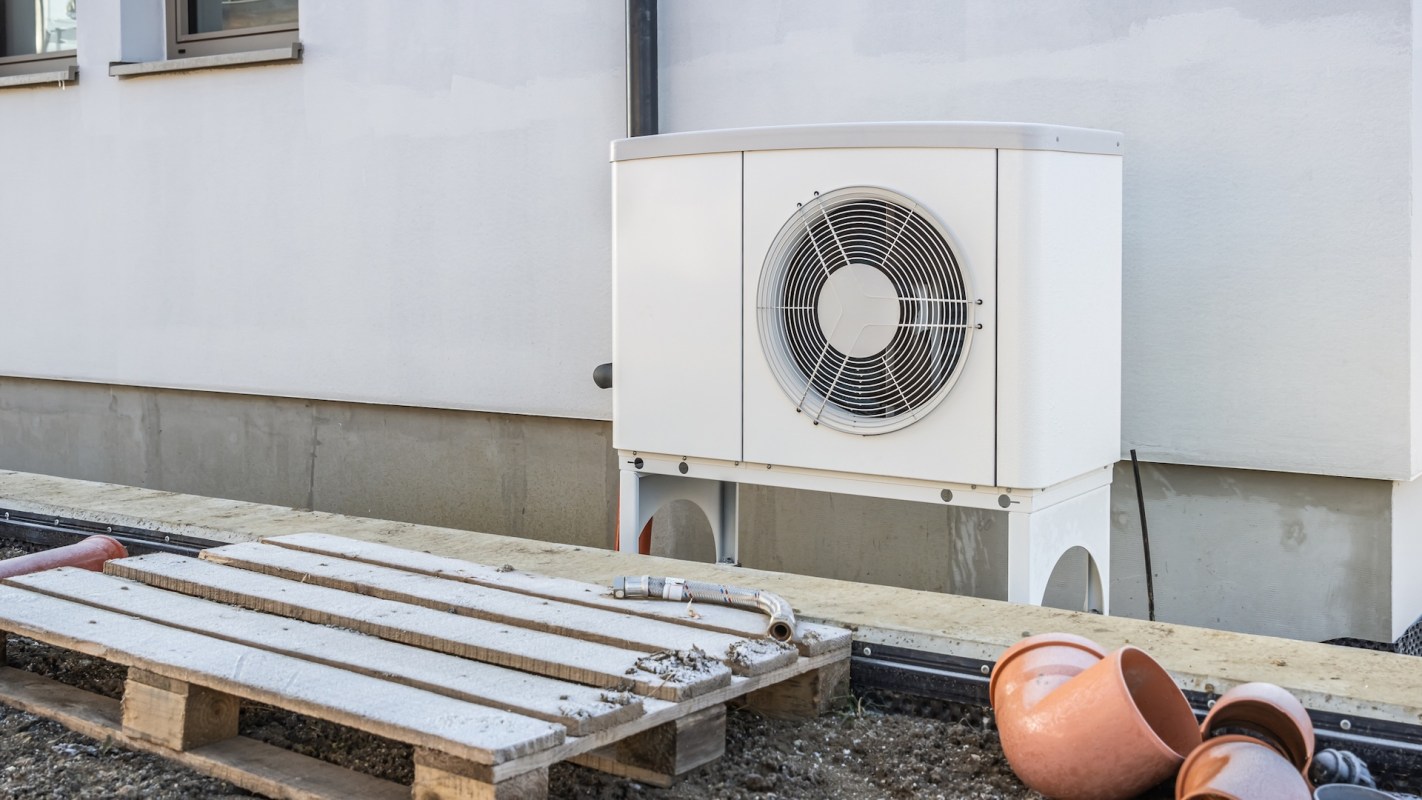
A new round of U.S. tariffs covering 60 countries may end up affecting the price point on heating and cooling equipment.
Although air conditioners, heat pumps, and refrigerants are not the direct targets, the duties may still make key imported components more expensive for homes, schools, and businesses.
What happened?
The Section 301 tariffs took effect July 24 after the Supreme Court blocked President Donald Trump from using the International Emergency Economic Powers Act to apply a 10% global import surcharge, according to ACHR News. The administration then shifted to an alternate tariff authority.
Under a July 23 memorandum, economies without an effective forced-labor import prohibition, or a pledge to create one, face a 12.5% tariff, including China, the European Union, and Japan. Economies that have adopted or pledged such a ban, including Canada, Mexico, and the United Kingdom, are subject to a 10% duty.
HVAC manufacturing depends on parts sourced around the world. China, in particular, is a major supplier of compressors, motors, control boards, and copper components, according to the Air-Conditioning Contractors of America.
Trump had signaled the shift earlier, telling Fox News in a June 28 interview that it was "a shame that I have to go a harder way for the tariffs because the Supreme Court, in a very close decision, ruled against me."
TCD Picks » Quince Spotlight
💡These best-sellers from Quince deliver affordable, sustainable luxury for all




Why does it matter?
Small increases in component or equipment prices can ripple outward. When imported parts cost more for manufacturers and distributors, that added expense may eventually reach people replacing a failed air conditioner during a heat wave or trying to upgrade an aging furnace.
Higher purchase prices could also slow the move to cleaner, more efficient heating and cooling systems designed to lower energy use. Faced with steeper upfront costs, many households may postpone repairs or replacements even when older systems are less efficient and more expensive to run.
How much prices change is still unclear, and the effects may be localized. The answer will depend in part on how much each manufacturer's supply chain relies on imports from the countries now covered by the tariffs.
Another open question is whether Section 301 tariffs will stack with Section 338 tariffs on Canadian goods scheduled for Aug. 19, according to ACHR News, creating additional pricing risk.
What's being done?
Joey James, a senior research analyst at Heating, Air Conditioning & Refrigeration Distributors International, said the new duties do not apply to products already covered by Section 232 tariffs on steel, aluminum, and copper.
James wrote: "The 10%/12.5% split only matters for whatever isn't already captured under Section 232."
A large share of HVAC-related imports already falls under those derivative-product rules. In June 2026, Trump also temporarily lowered tariffs on HVAC-related derivative products to 15% from 25%, easing some of the pressure on the sector.
Heating, Air Conditioning & Refrigeration Distributors International has advised companies to verify whether goods from Canada and Mexico qualify under the U.S.-Mexico-Canada Agreement, because that status can keep certain imports exempt from the new tariffs.
Trump defended the policy on Fox News, saying, "But the tariffs have made this country a fortune."

Get TCD's free newsletters for easy tips, smart advice, and a chance to earn $5,000 toward home upgrades. To see more stories like this one, change your Google preferences here.






