


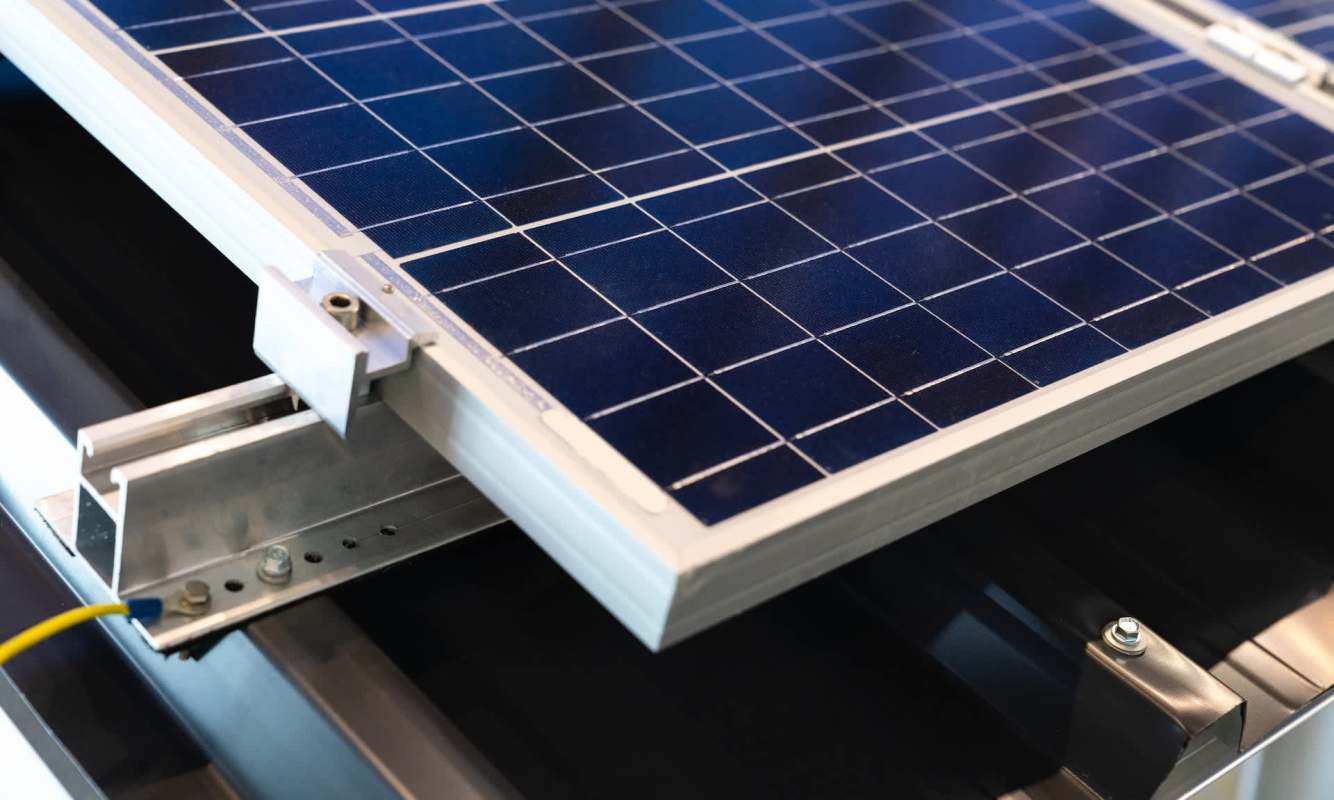
A stretch of flat pricing has brought some short-term predictability to solar modules assembled in the United States, even as trade fights and ownership restructuring continue to cloud the outlook.
What's happening?
According to PV Magazine USA, data from Anza showed the median price for U.S.-assembled modules unchanged at $0.30 per watt through May and June. That level sits above April's $0.295 per watt but below the $0.31 per watt seen in the first quarter.
Anza tracked 55 products assembled domestically, and the middle half of those offerings landed between $0.280 and $0.325 per watt. Prices differ based on multiple factors, including the sourcing for solar cells, broader supply-chain and trade risk, and whether or not a module can meet domestic-content and Foreign Entity of Concern, or FEOC, standards tied to tax credits.
Eligibility under the FEOC framework is now shaping company decisions across the sector.
Under current rules, the Treasury can strip a facility of preferred treatment when certain foreign entities hold excessive equity or debt, a dynamic that has contributed to ownership changes involving Trina Solar, JA Solar, JinkoSolar, and LONGi as they seek to preserve Inflation Reduction Act benefits for U.S.-made modules.
Trade pressure is also building.
TCD Picks » Quince Spotlight
💡These best-sellers from Quince deliver affordable, sustainable luxury for all




On June 18, the American Manufacturers for Energy Resilience coalition filed a case targeting solar imports from South Korea, contending that limited processing of Chinese-origin inputs there does not meaningfully change a product's country of origin.
Why does it matter?
The pricing of solar hardware can influence the cost of rooftop systems, community solar projects, and large-scale power developments. When module prices flatten out, installers and developers can get a clearer picture of project costs.
That said, a flat price line does not fully remove risk. Buyers could still be hit with abrupt cost jumps if FEOC restrictions cause products to lose tax-credit qualification or if fresh trade complaints lead to new duties.
Even modules finished in the United States rely on an international network for components. Anza's figures list cells sourced from 10 countries, with Kenya and the Philippines as the biggest contributors, while polysilicon mainly comes from Malaysia, the United States, and China.
Compliance is set to get tougher in 2027, when the required share of non-Prohibited Foreign Entity components for domestic-content qualification increases to 45% for projects that begin construction that year.
What can I do?
Installer quotes can vary widely based on panel sourcing, tax-credit assumptions, and equipment availability. One practical tool is EnergySage, which can give you quotes for installers in your local area.
For major purchasers, Anza recommended not relying solely on what suppliers said about compliance. Instead, it said buyers should use independent audits and legal analysis to confirm FEOC status, and developers sourcing cells from South Korea are being urged to trace wafer and ingot origins upstream in case enforcement expands further back through the chain.
The solar market is still growing, but flat module pricing does not eliminate the sourcing and tax-credit questions that ultimately determine a system's total cost.

Get TCD's free newsletters for easy tips, smart advice, and a chance to earn $5,000 toward home upgrades. To see more stories like this one, change your Google preferences here.






