
Despite a change in federal policy and a pullback from 2024's record installation pace, solar remained the leading source of new power capacity in the United States for the 28th consecutive month.
That staying power appears to be tied in part to rising electricity needs from data centers and to the lengthy timelines now associated with building new gas plants.
What happened?
Tech Times reported that, according to Federal Energy Regulatory Commission figures analyzed by the SUN DAY Campaign, solar held the top spot for new generating capacity additions in the U.S. from September 2023 through December 2025, extending its streak to 28 months.
Utility-scale solar additions reached 34.7 gigawatts in 2025, a 16% drop from the record 41.4 gigawatts installed in 2024.
The decline followed the removal of the residential solar 30% tax credit under the One Big Beautiful Bill Act at the end of 2025, but solar still accounted for more than 72% of new U.S. generating capacity added that year.
Despite disappearing federal incentives, solar panels remain one of the best investments for homeowners looking to save money on energy costs and protect themselves from outages. If you're curious about how much solar panels could decrease your electricity bills, connect with the experts at EnergySage for quick quotes from vetted installers.
Part of the explanation for this year's solar capacity is the slower pace of new gas generation projects.
Rocky Mountain Institute reported that lead times for new combined-cycle gas plants increased from 3.5 years in 2023 to five years in 2025, while costs rose 49%. It also found that turbine availability had been pushed to late 2028 or beyond.
Save $10,000 on solar panels without even sharing your phone number Want to go solar but not sure who to trust? EnergySage has your back with free and transparent quotes from fully vetted providers that can help you save as much as $10k on installation. To get started, just answer a few questions about your home — no phone number required. Within a day or two, EnergySage will email you the best local options for your needs, and their expert advisers can help you compare quotes and pick a winner. |

Why does it matter?
U.S. electricity demand is climbing, and data centers supporting artificial intelligence are a major driver of that increase.
According to Tech Times, in 2024, Amazon, Microsoft, Meta, and Google held a combined 84 gigawatts in large-scale corporate PPAs, helping make solar one of the quickest options when additional power is needed.
More solar on the grid can help stabilize energy supply and reduce reliance on more expensive, slower-to-build non-renewable infrastructure.
By the end of 2025, installed utility-scale solar in the U.S. had reached 164.5 gigawatts, putting it ahead of wind, nuclear, and hydropower individually. If federal forecasts are correct, solar could pass coal in installed capacity before the end of 2026.
More From EnergySage
💡Go deep on the latest news and trends shaping the residential solar landscape

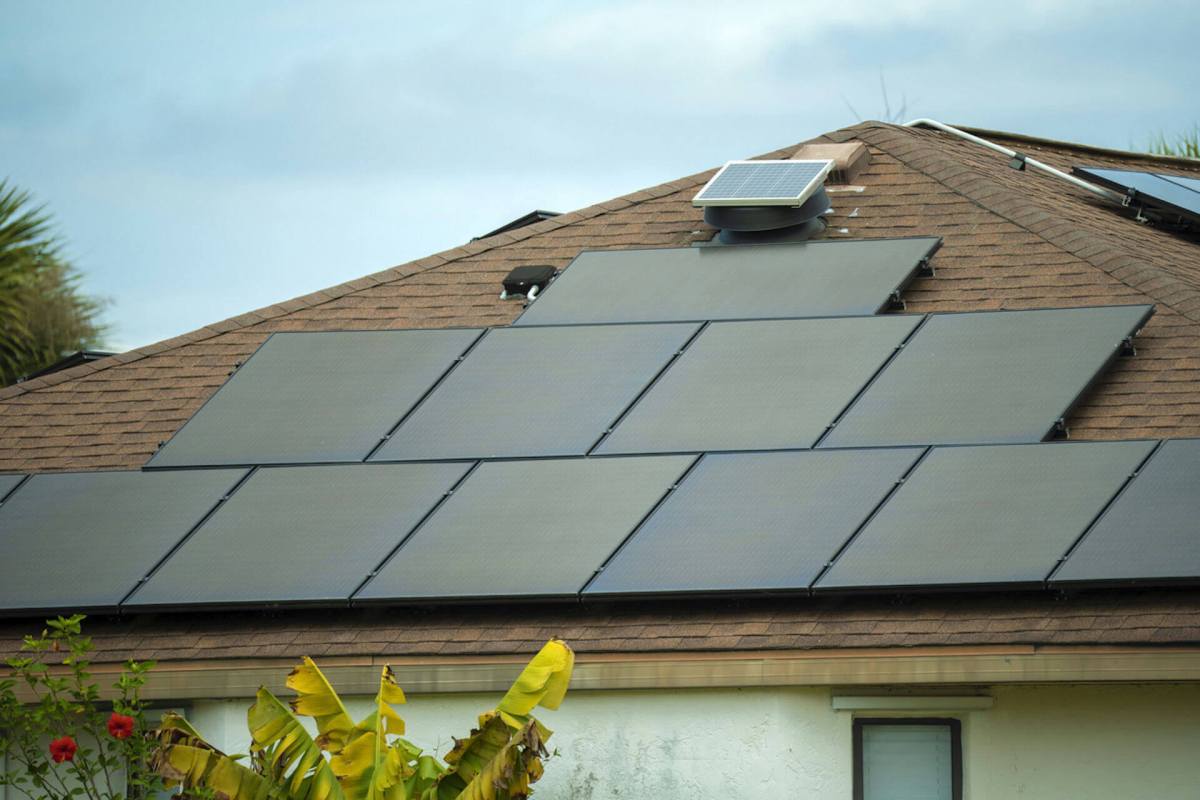


If you'd like to go solar at home, EnergySage's free tools can save you up to $10,000 by curating competitive bids from local installers.
EnergySage even has a helpful mapping tool that can show you, on a state-by-state level, the average cost of solar in your area as well as details on local incentives available to you. It can help you lock in the best price possible for solar based on your home and budget.
If you want to reduce your energy costs even further, protect your home from outages, or even go off the grid entirely, consider pairing solar panels with a home battery backup. To learn more about battery options and receive competitive installation estimates, check out EnergySage's free battery resources.
What are people saying?
Taken together, the latest numbers suggest solar is no longer expanding only because of incentives.
FERC data shows solar already accounts for 12.2% of total U.S. generating capacity, and its "high probability" outlook calls for another 86 gigawatts by the end of 2028, Tech Times noted.

Get TCD's free newsletters for easy tips, smart advice, and a chance to earn $5,000 toward home upgrades. To see more stories like this one, change your Google preferences here.