


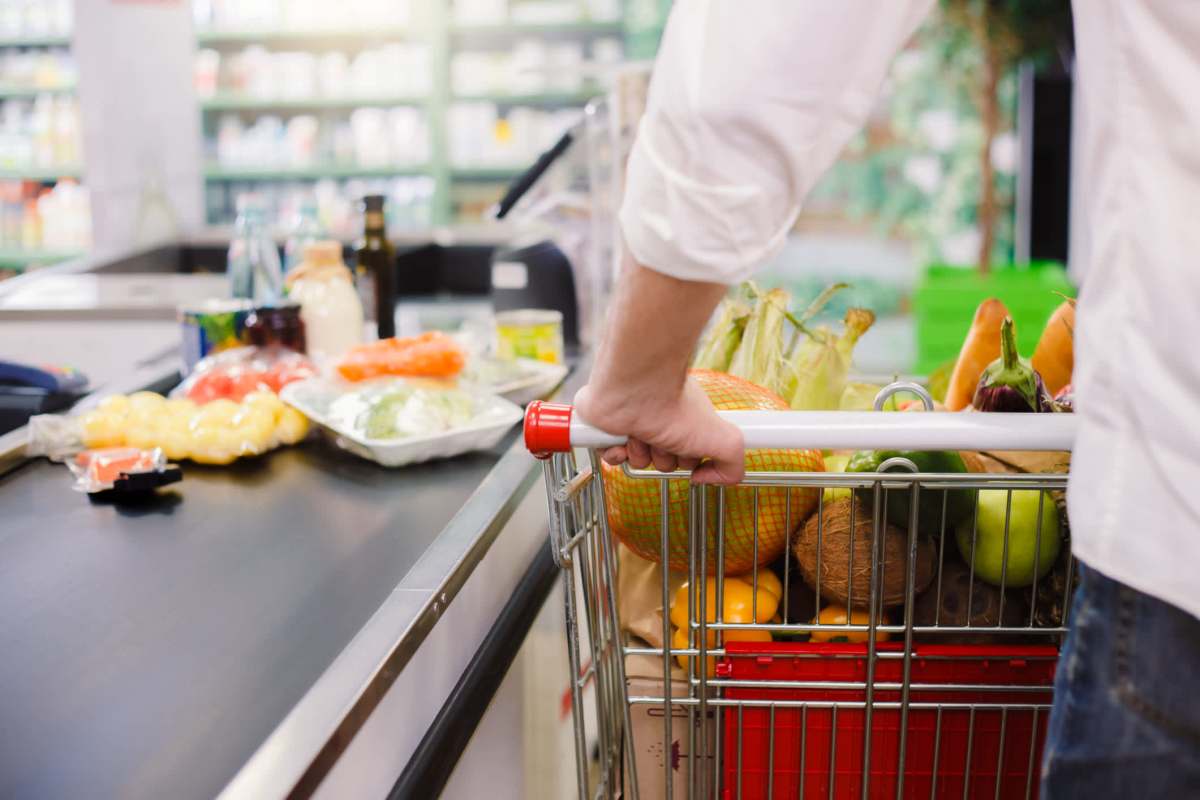
High food costs have become, for many Americans, more than a routine frustration at checkout. Increasingly, voters see those prices as unjust and expect federal officials to respond.
In a poll of 1,100 registered voters, 67% said the broader cost of living is putting serious strain on households, and 63% said grocery spending is a major part of that pressure, Supermarket News reported.
What's happening?
Global Strategy Group conducted the May 5 to May 7 survey for The Kitchen Table Project, and the results showed widespread anger over what people are paying for food.
About two-thirds of respondents described grocery prices as unfair, and many pointed to meat and poultry as especially difficult to afford.
Support for action was overwhelming: 82% said elected officials should work to lower grocery costs.
Backing for measures against price gouging and anti-competitive corporate conduct crossed party lines, drawing support from 84% of Democrats, 78% of Republicans, and 67% of independents.
TCD Picks » Quince Spotlight
💡These best-sellers from Quince deliver affordable, sustainable luxury for all




Voters were nearly split on what is driving higher prices, with 47% citing tariffs and trade restrictions and 46% blaming large corporations for raising prices to boost profits.
Together, those responses suggest shoppers see multiple forces behind the same painful reality: a weekly grocery trip that keeps getting more expensive.
Why does it matter?
Food inflation is one of the most immediate ways people feel economic pressure. Unlike other expenses that can sometimes be postponed, groceries are unavoidable, so higher prices hit families, seniors, and working households right away.
Recent federal inflation figures suggest the squeeze is still present. According to the Bureau of Labor Statistics, grocery prices edged up in May, and food away from home rose 0.1% after a 0.7% increase in April, the largest monthly gain since last fall's government work stoppage.
Price increases also appeared in categories such as nonalcoholic beverages, bakery and cereal products, and produce.
When healthy staples get more expensive, families may be pushed toward cheaper, less nutritious options or forced to cut back in other areas.
What's being done?
There have already been some federal efforts aimed at providing relief.
One step came in December, when President Donald Trump ordered an investigation into possible food price-fixing and called for a Food Supply Chain Security Task Force involving the Department of Justice and the Federal Trade Commission.
The administration later said it would try to address high beef prices by pausing the annual tariff-rate quota that triggers higher duties once import limits are reached. A White House official said the move was intended to ease short-term supply shortages while giving the U.S. cattle herd time to recover, per Supermarket News.
Even so, patience appears limited: 35% said they would be willing to wait years if officials addressed the root causes of high prices, but 65% said help needs to come right away.

Get TCD's free newsletters for easy tips, smart advice, and a chance to earn $5,000 toward home upgrades. To see more stories like this one, change your Google preferences here.






