


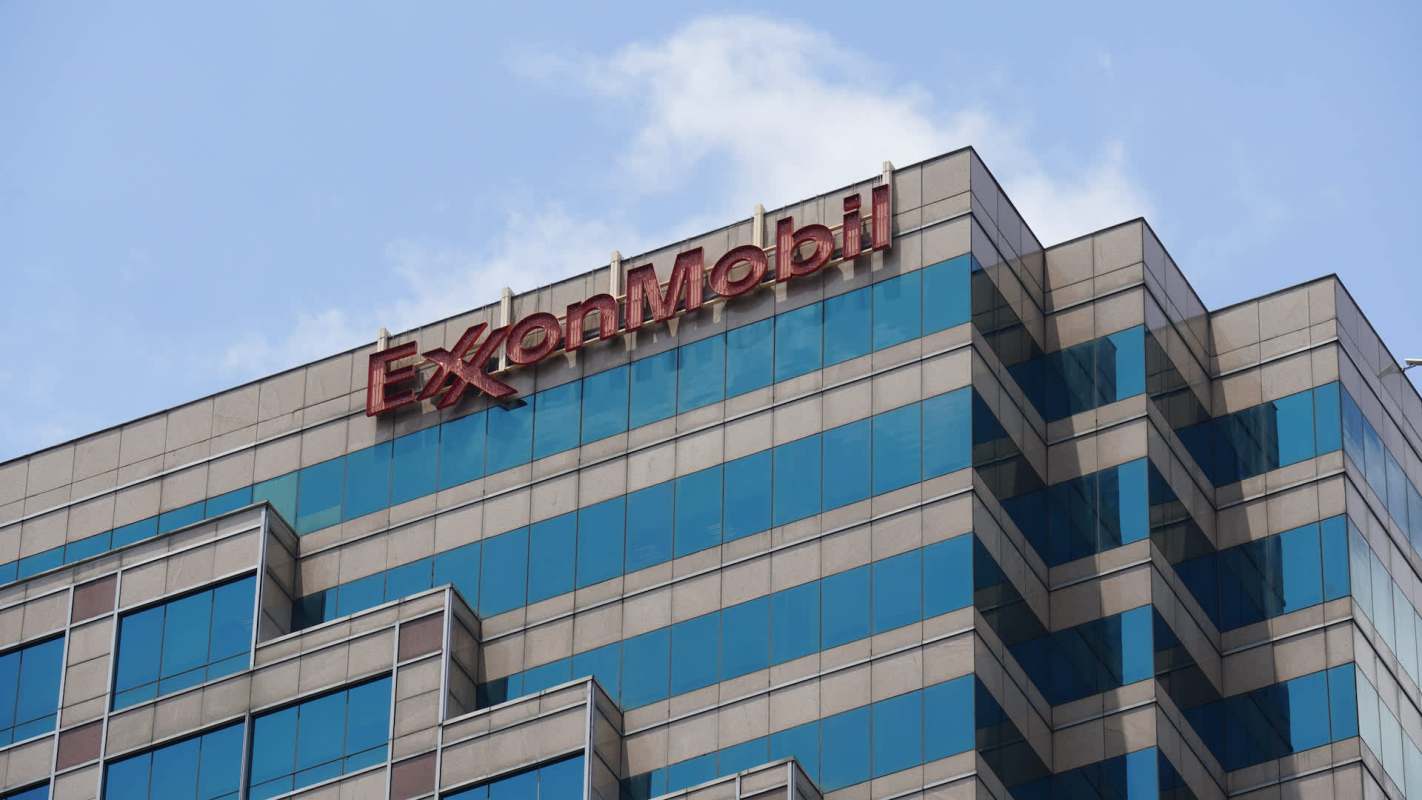
What if two of the biggest U.S. oil companies returned to Venezuela after nearly 20 years away? That possibility is being discussed — but only if the country offers stronger legal protections and a clear path to repay billions of dollars still owed from past disputes.
Brazil Energy Insight reported that ExxonMobil and ConocoPhillips are negotiating with Venezuelan officials about a possible return after leaving around the time of nationalizations and upheaval.
The companies want safeguards in their contracts against another takeover and prefer international arbitration over local courts to resolve disputes.
Debt remains one of the biggest obstacles. ConocoPhillips won roughly $12 billion in arbitration over the expropriation of its assets, but most of that money has not yet been recovered.
ExxonMobil has been examining whether lessons from its Canadian heavy-oil work could apply to Venezuela's extra-heavy crude.
At the same time, Venezuela has been trying to make itself more attractive to foreign investors, though executives have said the country's oil law still includes high royalties and other levies that could make projects less than competitive.
TCD Picks » Quince Spotlight
💡These best-sellers from Quince deliver affordable, sustainable luxury for all




Chevron, which remained in Venezuela through years of sanctions and political instability, is widely seen as having an advantage if production expands again.
A return by ConocoPhillips and ExxonMobil could signal renewed international confidence in the country and result in rebuilt oil infrastructure.
Any comeback could also affect regional politics as Washington tries to curb Russian, Chinese, and Iranian influence over Venezuela's oil business.
More oil investment also comes with downsides. The industry remains a major driver of the extreme weather disasters that damage homes, livelihoods, and economies. It is also tied to air and water pollution linked to asthma, heart disease, cancer, and premature death.
Decisions about oil expansion can shape public health, disaster resilience, and family budgets, especially as households continue to face high energy costs even while major oil companies record enormous profits.
When governments and corporations keep prioritizing oil production, it slows the transition to cleaner and often cheaper energy options that would reduce pollution and protect communities from price swings in global fuel markets.
Venezuela has already revised parts of its oil framework to attract foreign investment, and U.S. officials have reportedly encouraged the government to offer globally competitive terms.
At the same time, the companies appear to be moving cautiously. ConocoPhillips is gathering information and speaking with stakeholders; moving forward will depend on stable economic and policy conditions, safety, respect for the law, and a practical path to recoup its debt.
ExxonMobil declined to comment, but its outreach involved U.S. embassy staff in Caracas and Venezuelan officials in Houston. Both companies see promise in the negotiations while still worrying about possible political shifts ahead.
Dependence on oil leaves households vulnerable to instability. Improving efficiency, adopting cleaner transportation, and electrifying homes and appliances can reduce exposure to pollution and the financial risk associated with volatile fuel prices.
"Bringing back ExxonMobil and ConocoPhillips is a top priority for the government, and they're putting a lot of resources and effort behind it," said Carlos Bellorin, an executive vice president at Welligence Energy Analytics. "But for either company to seriously consider returning, the deal would likely need to be very attractive."

Get TCD's free newsletters for easy tips, smart advice, and a chance to earn $5,000 toward home upgrades. To see more stories like this one, change your Google preferences here.






