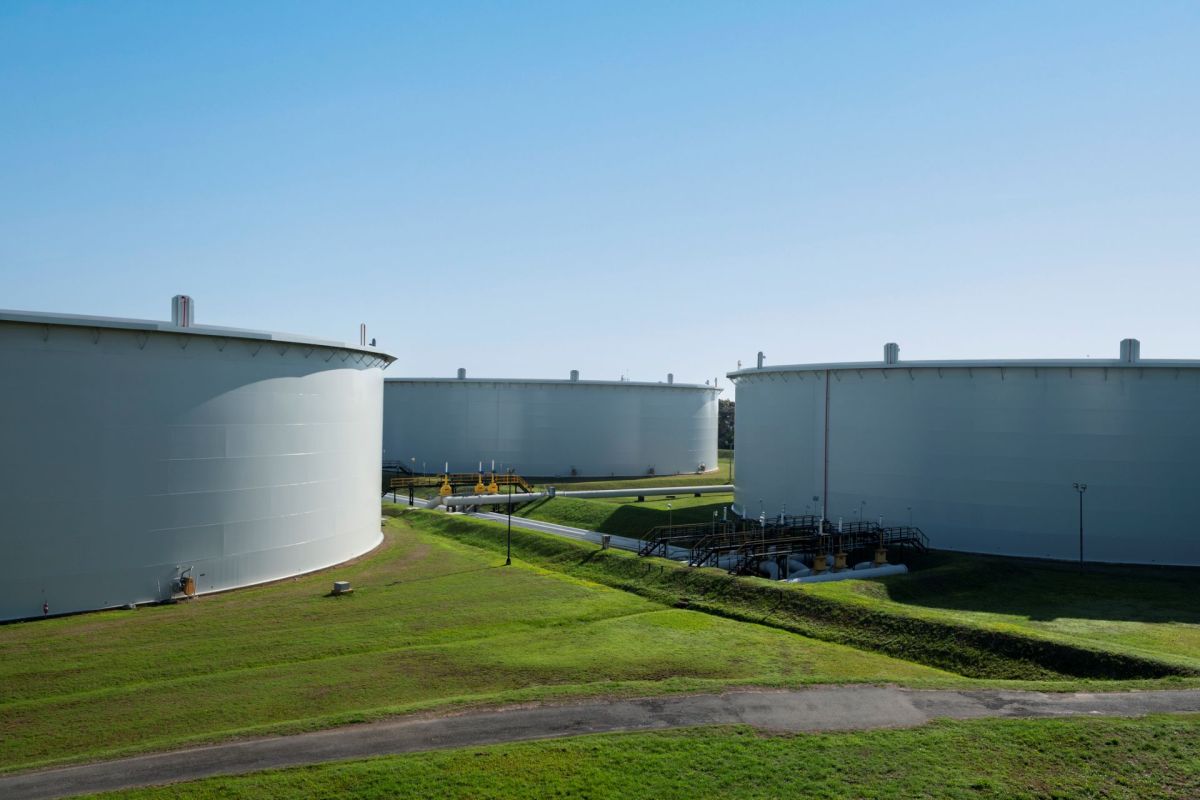
As the summer driving season begins, the U.S. is doing so with relatively lean gasoline reserves, a situation that analysts are watching closely in fuel markets.
That doesn't automatically mean drivers will see an immediate jump in prices at the pump, but it does suggest there is less cushion in the system if supply gets disrupted.
What's happening?
Energy Information Administration data show that U.S. gasoline inventories have generally remained below the five-year average throughout much of the spring, ConsumerAffairs reported.
By the end of May, stockpiles had posted 15 consecutive weekly declines and sat about 6% below normal for the season before ticking up in the agency's latest report.
According to ConsumerAffairs, that increase still left supplies roughly 5% below the usual five-year level for this point in the calendar. Those inventories are important because they help absorb shocks when refineries go offline, storms disrupt major fuel centers, or road travel picks up quickly.
The pace of the decline has drawn added scrutiny. Forbes reported that the drawdown happened at a record rate, and ExxonMobil senior vice president Neil Chapman warned about global oil inventories while saying prices could climb above $150 a barrel before summer ends.
TCD Picks » Good Store Spotlight
Get 10% off your next purchase with code TCD10




"We're approaching unheard-of inventory levels," Chapman said. "You can debate whether that's going to hit those really low levels in two weeks or three weeks. Once you get to that point, then you'll see the price shoot up."
Why does it matter?
In the short term, the main concern is how sharply prices at the pump could swing.
Gas prices depend on several factors, including crude oil costs, refinery performance, taxes, and transportation expenses. But when gasoline inventories are already tight, even a relatively minor disruption can have a quicker and more noticeable effect at the pump.
Some regions are more vulnerable than others, especially parts of the West Coast and Northeast, where fuel supplies can be less flexible. Areas that depend more on imported fuel or have less refining capacity can experience bigger price swings when supplies get constrained.
TCD Picks » Quince Spotlight
💡These best-sellers from Quince deliver affordable, sustainable luxury for all




At the same time, households are left coping with high energy costs as corporate profits rise, and industry lobbying can slow cleaner, cheaper energy solutions that would better protect families, workers, and communities.
What's being done?
There are signs of possible relief: U.S. refineries are operating at high utilization rates, and the latest EIA report showed a 3.4 million-barrel increase in gasoline inventories after weeks of declines, ConsumerAffairs reported. If that pattern continues, stockpiles could begin to rebuild over the summer.
The main issue is whether refiners can keep up with seasonal demand without any major disruptions. Steady refinery operations and calmer oil markets would help reduce the chances of sudden price spikes, particularly during peak vacation travel.
Consumers may want to consider switching to electric alternatives, especially if it means disconnecting from an extremely volatile market.

Get TCD's free newsletters for easy tips, smart advice, and a chance to earn $5,000 toward home upgrades. To see more stories like this one, change your Google preferences here.