


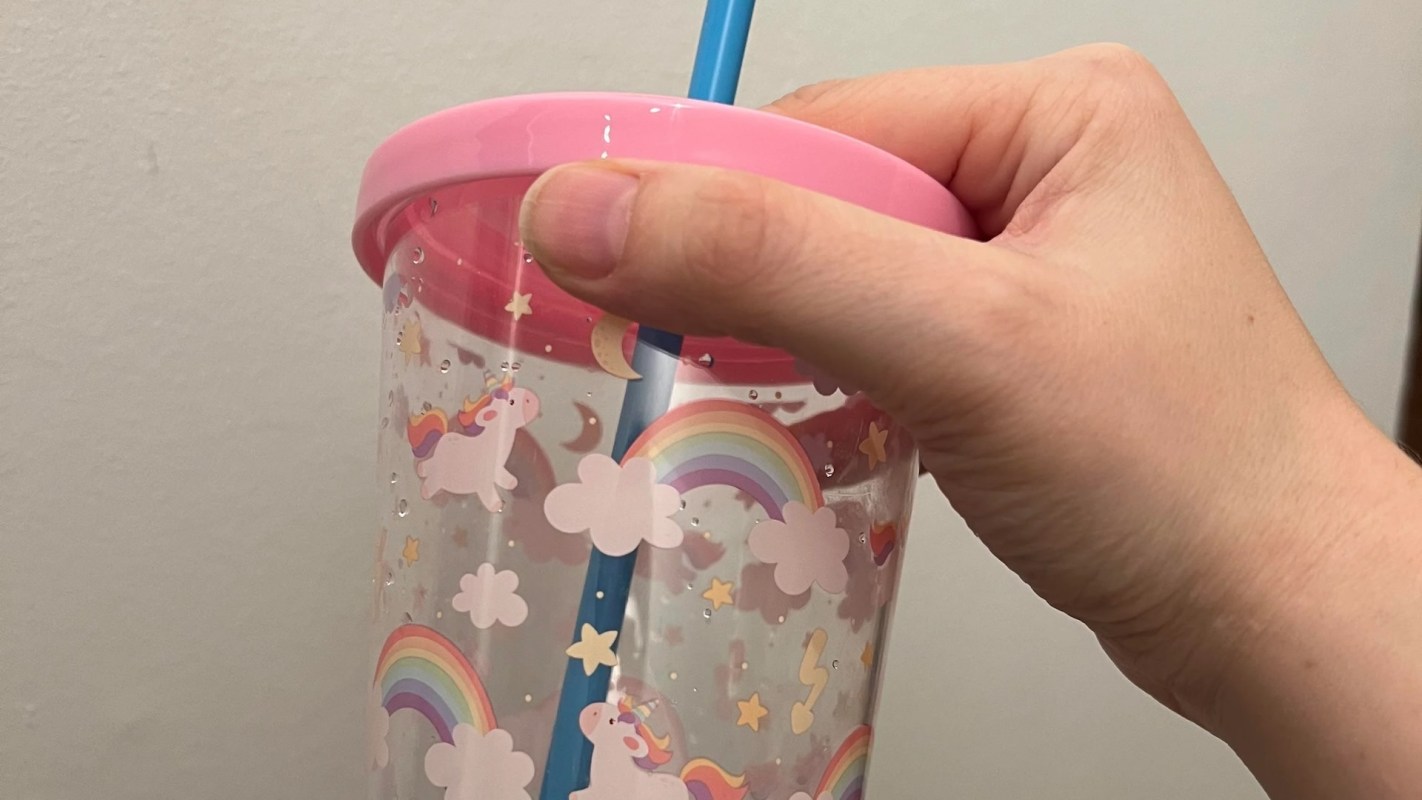
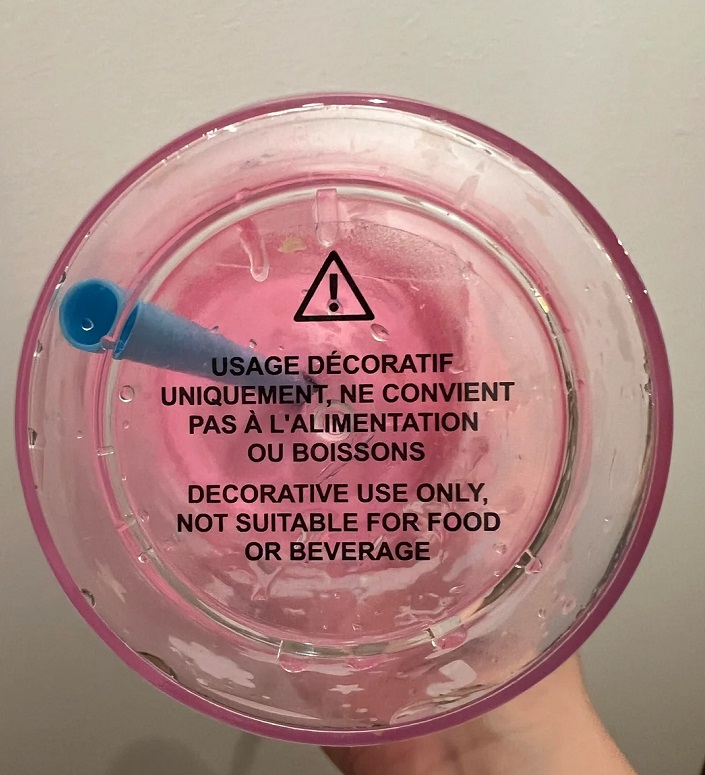
A parent took to Reddit to share their confusion over an odd discovery: a colorful unicorn cup their daughter received as a gift came with a warning label stating it was "for decorative use only" and "not suitable for food or beverage."
The revelation sparked a larger conversation about the wasteful practice of manufacturing items that don't have a practical purpose.
What's happening?
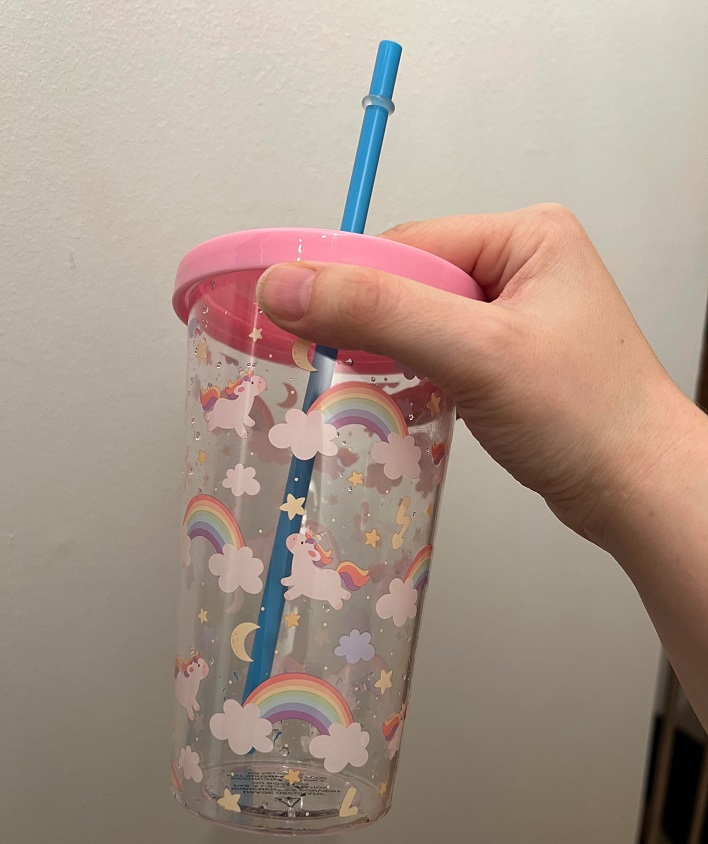
The parent wrote: "At the bottom of a plastic cup. A gift my daughter received… why make/sell/buy this if it can't be used?" Included in the Reddit post were photos of a cup printed with unicorns and rainbows, complete with a built-in straw.
The post gained attention, with one retail worker jumping into the comment section to reveal the surprising scope of the issue.
"I work in a retail shop with some specialty decorations and stuff, you'd be shocked at how much stuff that is made like this," they wrote. "So many random items as well as cups, salad bowls, cutting boards, bowls that I've seen say this on them."
Why is manufacturing non-functional items concerning?
The production of non-functional items that resemble everyday products raises environmental concerns.
TCD Picks » Quince Spotlight
💡These best-sellers from Quince deliver affordable, sustainable luxury for all




Manufacturing these decorative pieces requires the same resources, energy, and plastic materials as their functional counterparts, but they serve no purpose beyond aesthetic appeal. This practice contributes to unnecessary resource consumption and waste, as these items often end up in landfills once their decorative appeal vanishes.
Is the manufacturer doing anything about this?
While the manufacturer wasn't named in the Reddit post, this issue reflects a broader industry practice of producing decorative versions of functional items.
🗣️ When you think about a product's packaging, which of these factors is more important to you?
🔘 The way it looks 😍
🔘 The information it provides 🧐
🔘 The waste it produces 🗑️
🔘 I don't think about packaging at all 🤷
🗳️ Click your choice to see results and speak your mind
Some companies have begun addressing similar concerns by labeling their products as decorative pieces. However, this doesn't address the underlying waste problem.
What's being done about this more broadly?
Several initiatives are working to combat unnecessary plastic production and waste.
The European Union has implemented strict regulations on single-use plastics, while many U.S. states are considering similar measures. Some retailers have begun prioritizing functional, reusable items over decorative alternatives, responding to growing consumer demand for practical, sustainable products.
Consumers can help address this issue by being mindful shoppers.
Before purchasing items that appear functional, check their intended use. Opt for genuine, reusable, non-plastic products that are both practical and decorative. For example, many manufacturers now offer beautiful, functional items that are both safe for use and aesthetically pleasing.
When giving gifts, especially to children, choose items that provide both joy and utility, reducing the likelihood they'll end up as waste.

Join our free newsletter for good news and useful tips, and don't miss this cool list of easy ways to help yourself while helping the planet.






