


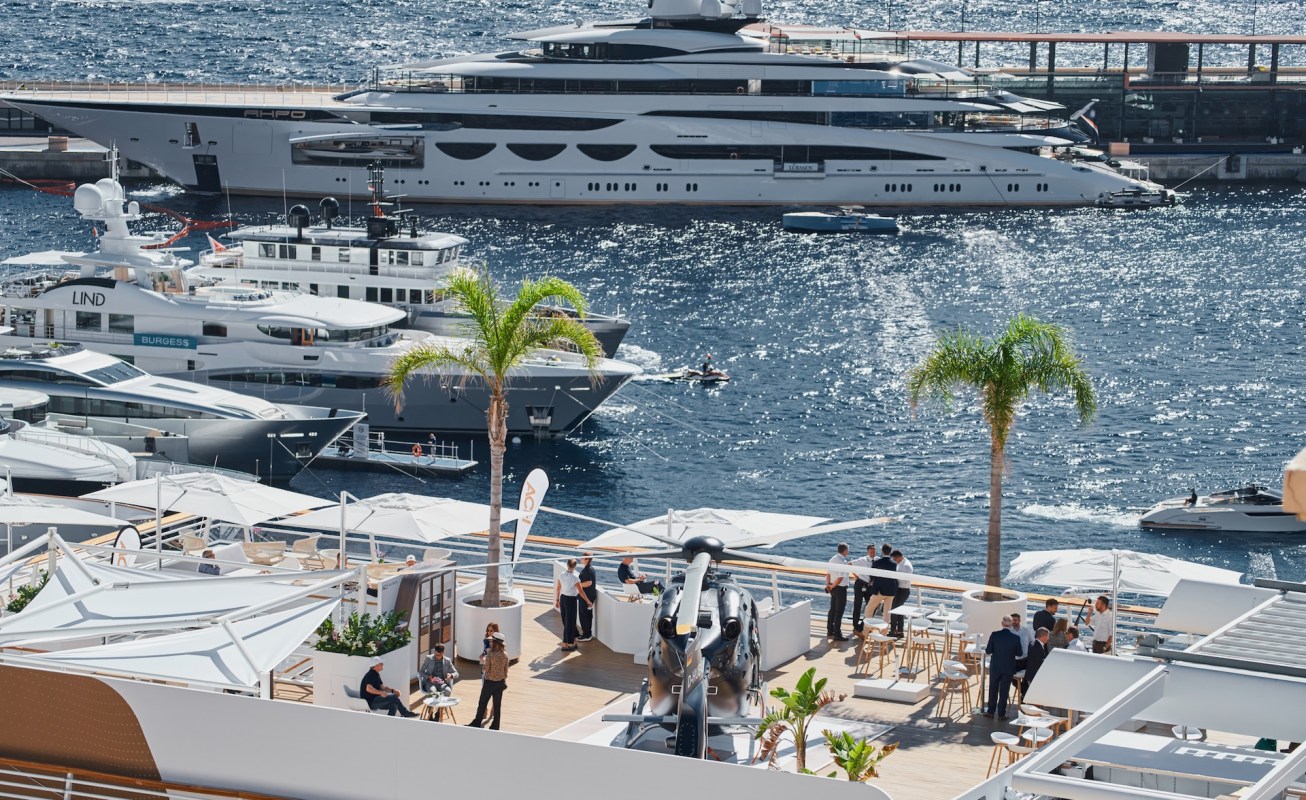
In 2005, the iconic, late comedian George Carlin uttered nine words about the perennial gap between the ultra-wealthy and everyone else: "It's a big club, and you ain't in it."
According to the Guardian, a United Nations expert on extreme poverty and human rights recently agreed, albeit in slightly less direct terms.
Olivier De Schutter is a UN Special Rapporteur — an independent expert who investigates and provides reports to the international organization — specializing in those topics, and he addressed the "interwoven crises" of inequality, political upheaval, and "ecological collapse."
The Guardian cited its Beyond Growth series, which included warnings from global leaders, such as UN Secretary-General António Guterres, that economies should move away from gross domestic product as a primary metric because unchecked growth causes harm.
Guterres and De Schutter both framed the situation as a literal matter of life and death in an unsustainable trajectory, putting the future of humanity at existential risk.
Ahead of the publication of De Schutter's anticipated "road map" to address these crises in April, he described a "grossly inefficient" global economy that "will inevitably fail to satisfy the basic needs of people living on low incomes."
TCD Picks » Quince Spotlight
💡These best-sellers from Quince deliver affordable, sustainable luxury for all




His forthcoming report was developed in cooperation with experts in academia, labor organizers, civic groups, and UN partners. He acknowledged a direct connection between overconsumption, resource extraction, and the environmental toll of excess wealth.
"The scarce resources we have should be used to prioritize the basic needs of people in poverty and to create what is of societal value rather than serve the frivolous desires of the ultra-rich," De Schutter remarked, per the Guardian.
Oxfam, a nongovernmental organization with a similar focus, has produced years of reports on the connection between the lifestyle habits of the uber-wealthy — such as unnecessary private jet use and the hoarding of megayachts — and rising temperatures worldwide.
Oxfam has long called for a wealth tax to offset these deeply uneven ecological impacts, and De Schutter arrived at a similar conclusion.
"We should ensure that public revenue is raised by taxing wealth, financial assets, immovable property, financial transactions, and all the ills of the economy, including from the extractive industry and especially of fossil energy," he explained to the Guardian.
|
Which of these savings plans for rooftop solar panels would be most appealing for you?
Click your choice to see results and earn rewards to spend on home upgrades. |
 Save $1,000 this year 💸
Get TCD's free newsletters for easy tips to save more, waste less, and make smarter choices — and earn up to $5,000 toward clean upgrades in TCD's exclusive Rewards Club.






