


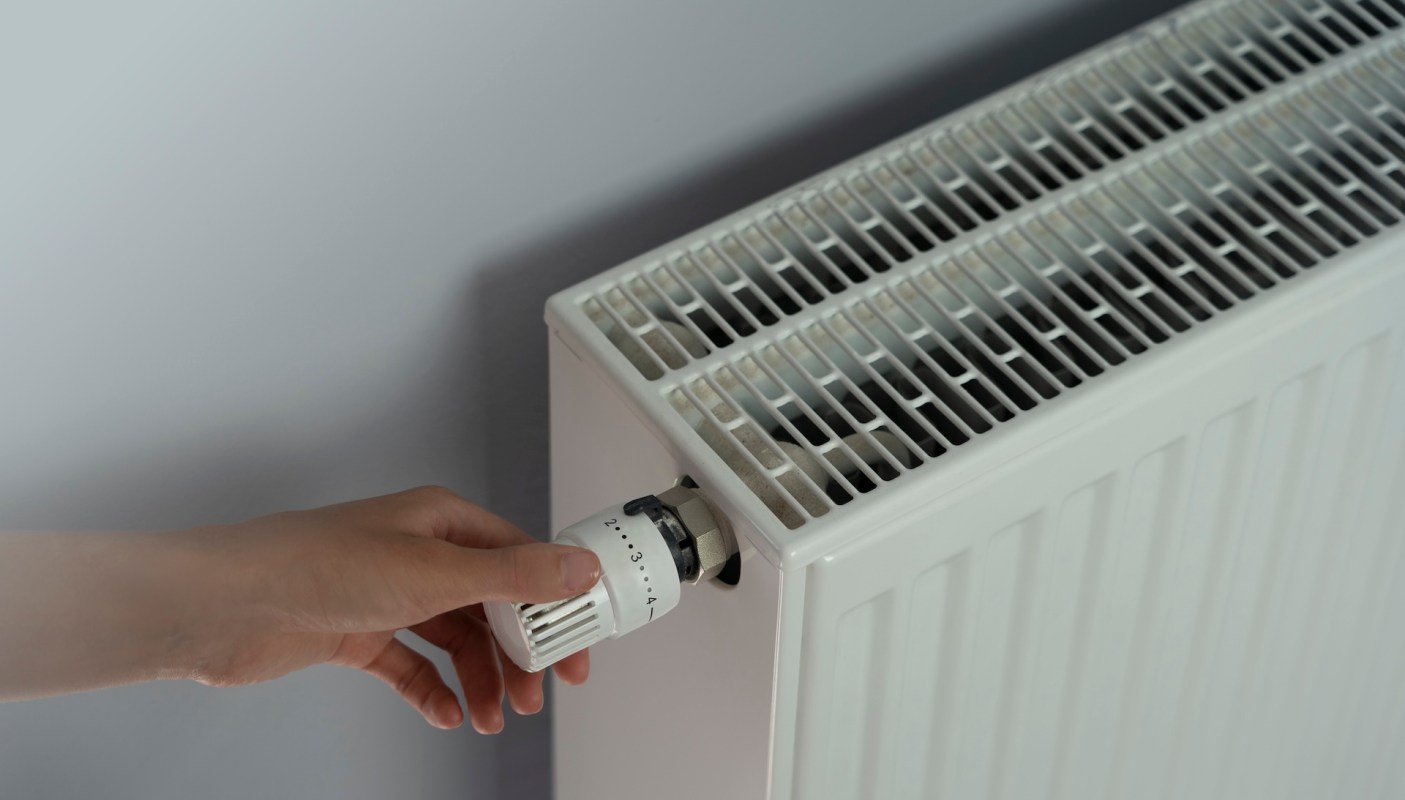
A winter heating payment worth £200 to £300 ($270.32 to $405.48) could help soften the impact of higher energy bills for many older households in the United Kingdom — but not everyone who meets the age threshold will qualify.
The Department for Work and Pensions said four categories of people are set to miss the 2026 Winter Fuel Payment, DevonLive reported.
Here's what to know
To receive the payment for winter 2026-27, someone must have reached State Pension age and must have been living in England, Wales, or Northern Ireland during the qualifying week. For that winter, the birth-date cutoff is June 28, 1960.
The DWP also lists several circumstances that make someone ineligible: usually living outside England, Wales, or Northern Ireland; being in prison for all of Sept. 21 to Sept. 27, 2026; getting free hospital treatment for that entire week and for the equivalent week a year earlier; or needing permission to enter the U.K. while having leave that bars access to public funds.
There is a separate restriction affecting some care home residents. A person in a care home will not qualify if they receive Universal Credit, Pension Credit, or income-related Employment and Support Allowance and have been there for the whole period from June 29, 2026, or earlier.
People who qualify are expected to receive a letter in October or November outlining how much they will receive. If total taxable income is above £35,000 ($47,306), HMRC will recover the payment through the tax system, and a partner's income does not count toward that figure.
TCD Picks » Quince Spotlight
💡These best-sellers from Quince deliver affordable, sustainable luxury for all




More background
Energy bills are forecast to rise again. Cornwall Insight said the October price cap could rise by 4%, lifting a typical annual bill from £1,663 to £1,729 ($2,247.54 to $2,336.74), according to DevonLive.
That increase would put bills at their highest level since July 2023, with colder weather pushing households to use more heating. Analysts said recent volatility in global energy prices has largely offset the benefits expected from a proposed VAT cut on household electricity bills.
According to Cornwall Insight, the pressure is being driven by overseas events. Conflict in the Middle East has raised wholesale energy costs, while heat waves in Europe are increasing gas demand for electricity generation and cooling.
What's being done?
The government said it is trying to ease some of the pressure. The planned VAT cut on household electricity bills from October will sit alongside the £150 ($202.74) Warm Home Discount for about six million households, per DevonLive.
A government spokesperson also pointed to a broader warm homes plan intended to make millions of homes cheaper to run.
"Rising energy bills aren't welcome at the best of times, but with winter approaching, this latest hike will hit struggling households especially hard," said Dr. Craig Lowrey, principal consultant at Cornwall Insight.
"Driven by international conflict rather than domestic policy, it is a stark reminder that our energy bills remain tied to events thousands of miles away," he added. "Moments like this are the strongest argument for reducing Britain's reliance on volatile international gas. While temporary relief like VAT cuts help soften the blow, they don't touch the underlying fact that Britain is heavily dependent on imports of natural gas."
Where can I learn more?
The rules governing this payment are part of a debate about why household costs remain high and what governments can do about them. Other decisions affect bills and budgets, from reliance on gas markets to tax breaks that can undercut climate goals.
• Across Europe, company car tax breaks are worsening pollution while favoring higher earners.
• Meeting green energy goals could lower electricity prices over time as gas volatility persists.
• In Norway, oil and gas investments are rising despite warnings about long-term risk.
Energy policy, tax rules, and investment choices feed through to household costs. That context matters as older people decide whether winter support will be enough to cover rising bills.

Get TCD's free newsletters for easy tips, smart advice, and a chance to earn $5,000 toward home upgrades. To see more stories like this one, change your Google preferences here.






