


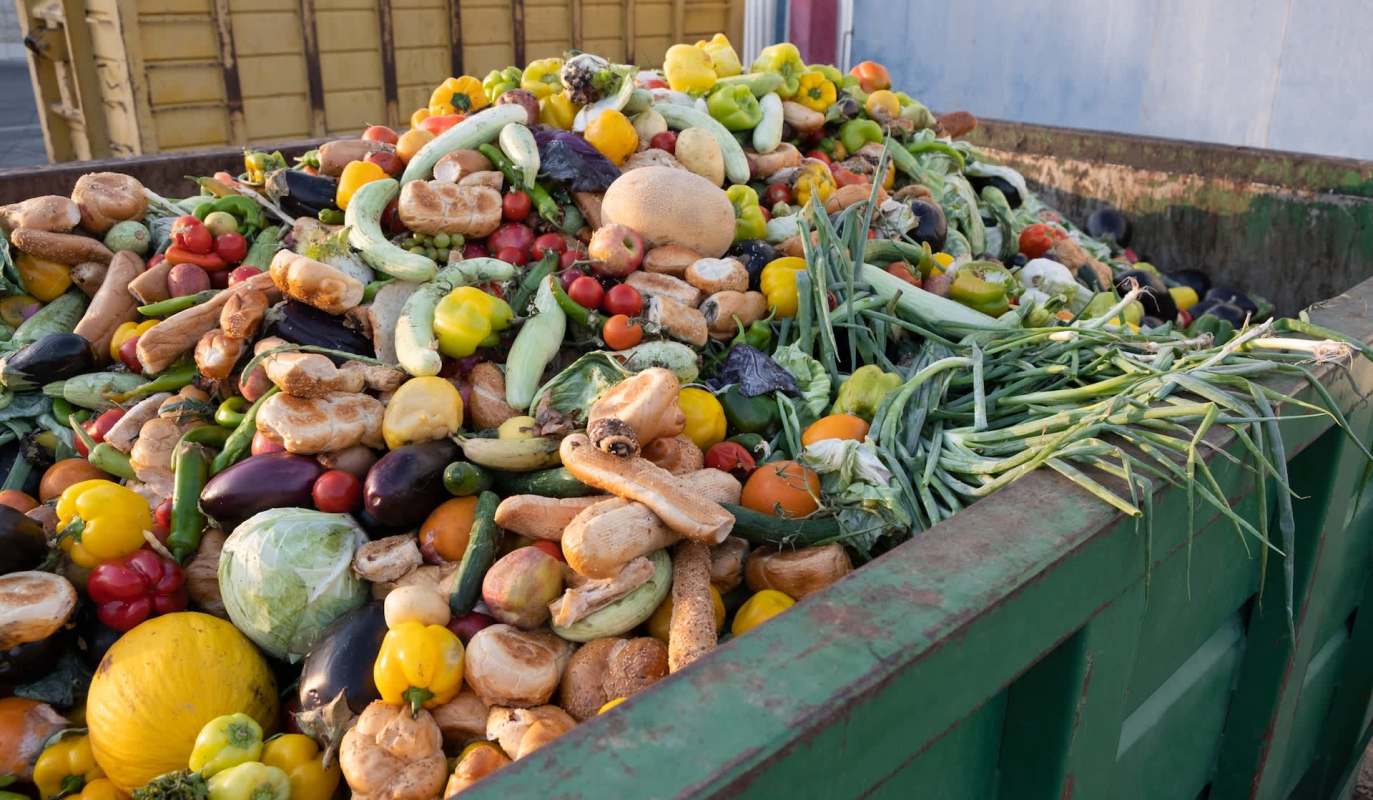
Perfectly good food could be ending up in the trash at U.K. supermarkets on a massive scale.
New analysis suggests retailers may be throwing away around 110,000 tons of edible food every year — the equivalent of more than 238 million meals and about $420 million in lost food value.
What happened?
Grocery Gazette highlighted research by Bins.co.uk suggesting that U.K. supermarkets create about 264,555 tons of food waste annually. Roughly 110,231 tons of that total is considered food that could still have been eaten.
The researchers estimated that the edible food wasted each year could provide more than 238 million meals, using WRAP's standard estimate of 14.8 ounces per meal.
The Grocery Gazette noted that, with a population of about 69.3 million people, that works out to roughly 3.4 meals per U.K. citizen.
Why does it matter?
Food waste is costly, but the consequences go well beyond supermarket losses. When edible food is thrown away, the money, energy, water, labor, and transportation used to produce and move it are wasted too.
TCD Picks » Quince Spotlight
💡These best-sellers from Quince deliver affordable, sustainable luxury for all




The issue is especially troubling at a time when many households are still grappling with high grocery costs. Edible food is being discarded in such large quantities while many people are struggling to afford enough of it.
Still, not every item included in that edible-waste estimate could necessarily be donated. Some food may be damaged, past its use-by date, unsafe to eat, or otherwise unsuitable for redistribution.
Clear rules and better handling can help determine whether safe food is redistributed or discarded.
What's being done?
Current U.K. government guidance advises businesses to prevent surplus food from being created and to give any remaining safe food to charities. Even so, retailers are not legally required to follow that guidance, the Grocery Gazette reported.
The analysis says supermarkets should be required to create formal arrangements with approved charities or redistribution partners and to record how much edible surplus they generate.
Better tracking could help retailers spot patterns, reduce overordering, and move safe food more quickly before it spoils.
Throwing away food that could still be eaten is a costly habit with real consequences. If supermarkets improve prevention, tracking, and donation systems — while ensuring any redistributed food is safe for human consumption — millions of meals could be saved instead of wasted.

Get TCD's free newsletters for easy tips, smart advice, and a chance to earn $5,000 toward home upgrades. To see more stories like this one, change your Google preferences here.






