


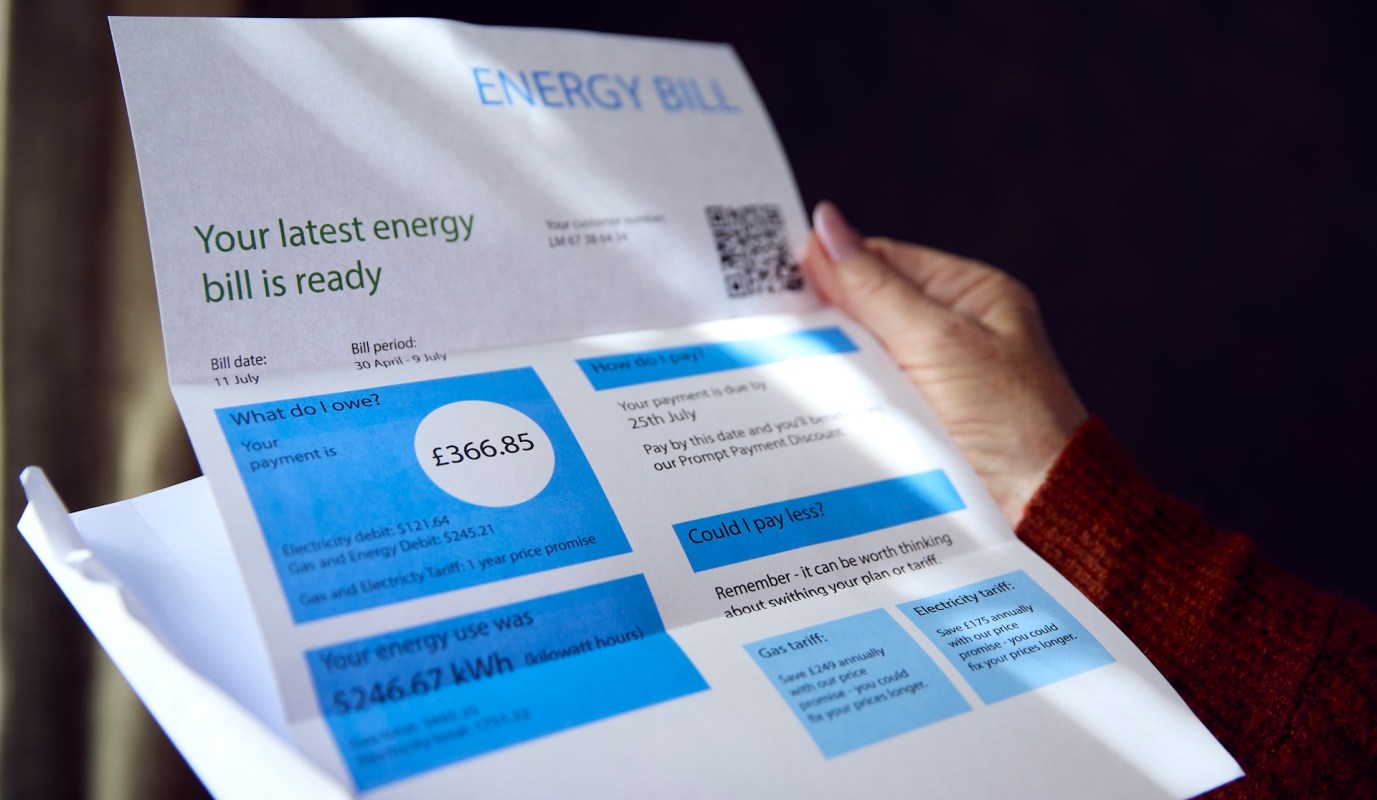
War-related disruptions to fuel supplies could exacerbate the cost-of-living squeeze for British families.
Here's what to know
British Gas, EDF, and E.ON forecast that household energy bills could rise by more than a quarter in January, adding £460 ($608) to annual costs, the BBC reported.
Oil and gas prices surged in February, when the U.S. and Israel launched strikes in Iran. The conflict has essentially closed the Strait of Hormuz, which accounts for more than one-quarter of the world's maritime oil trade and approximately one-fifth of the liquefied natural gas trade.
Europe's winter gas stocks are at their lowest level in records dating to 2011. Those depleted supplies could face further strain when households need more fuel for winter heating.
Britain is particularly vulnerable because gas heats most homes and frequently determines wholesale electricity prices. Domestic North Sea fields supply under half of Britain's gas.
The energy shock following Russia's invasion of Ukraine cost British households an additional £63 billion ($83 billion), or around £2,200 ($2,907) each, the Energy and Climate Intelligence Unit and E3G found.
TCD Picks » Quince Spotlight
💡These best-sellers from Quince deliver affordable, sustainable luxury for all




More background
The government's approval of the Jackdaw gas field intensified debate over whether more domestic drilling can protect consumers from rising prices.
Energy Secretary Miatta Fahnbulleh warned that additional British production would not lower bills because oil and gas are sold on global markets.
Ministers must also decide whether to approve Rosebank, Britain's largest undeveloped oil field. According to Fahnbulleh, the development's pollution would be roughly sevenfold that of Jackdaw.
North Sea output is already less than a third of its 1999 peak.
The Office for Budget Responsibility expects production to decline by around 10% annually, even if Rosebank moves forward.
Under a renewables-focused pathway, a disruption comparable to 2022's would raise household energy bills only by 4%, the Climate Change Committee calculated. A focus on polluting energy would create a 59% increase.
What's being done?
The government introduced legislation to prohibit new oil and gas exploration licenses.
Rosebank already has a license, however, and would remain outside the ban, allowing ministers to approve the development despite its additional planet-warming pollution.
A new facility at Nigg opened by Japan's Sumitomo Electric is Britain's first factory for high-voltage direct-current subsea cables, creating up to 250 jobs, the BBC noted. Electricity networks need to expand to carry renewable power to communities.
Ministers blocked Chinese turbine manufacturer Ming Yang's proposed £1.5 billion ($2 billion) factory near Inverness, citing national security concerns, per the BBC. The project could initially have generated up to 1,500 jobs.
Renewable energy projects also face financing and supply chain pressures.
Danish developer Ørsted scrapped the Hornsea 4 offshore wind project, blaming rising supply chain costs. The decision was a setback for efforts to expand power generation that does not depend on continuing fuel shipments.
For Fahnbulleh, household costs remain central to the government's decisions about energy supply and climate action.
"With the cost of living biting, affordability is my overriding objective, without a doubt," Fahnbulleh said.
Where can I learn more?
Britain's reliance on gas means decisions about heating and electricity can directly affect household bills.
• U.K. households could face record January gas rates as energy bills could rise 27%.
• Britain paid to cut wind power and run gas plants as daily grid costs hit £47.9 million.
• U.K. households received electric bill VAT cuts.

Get TCD's free newsletters for easy tips, smart advice, and a chance to earn $5,000 toward home upgrades. To see more stories like this one, change your Google preferences here.






