


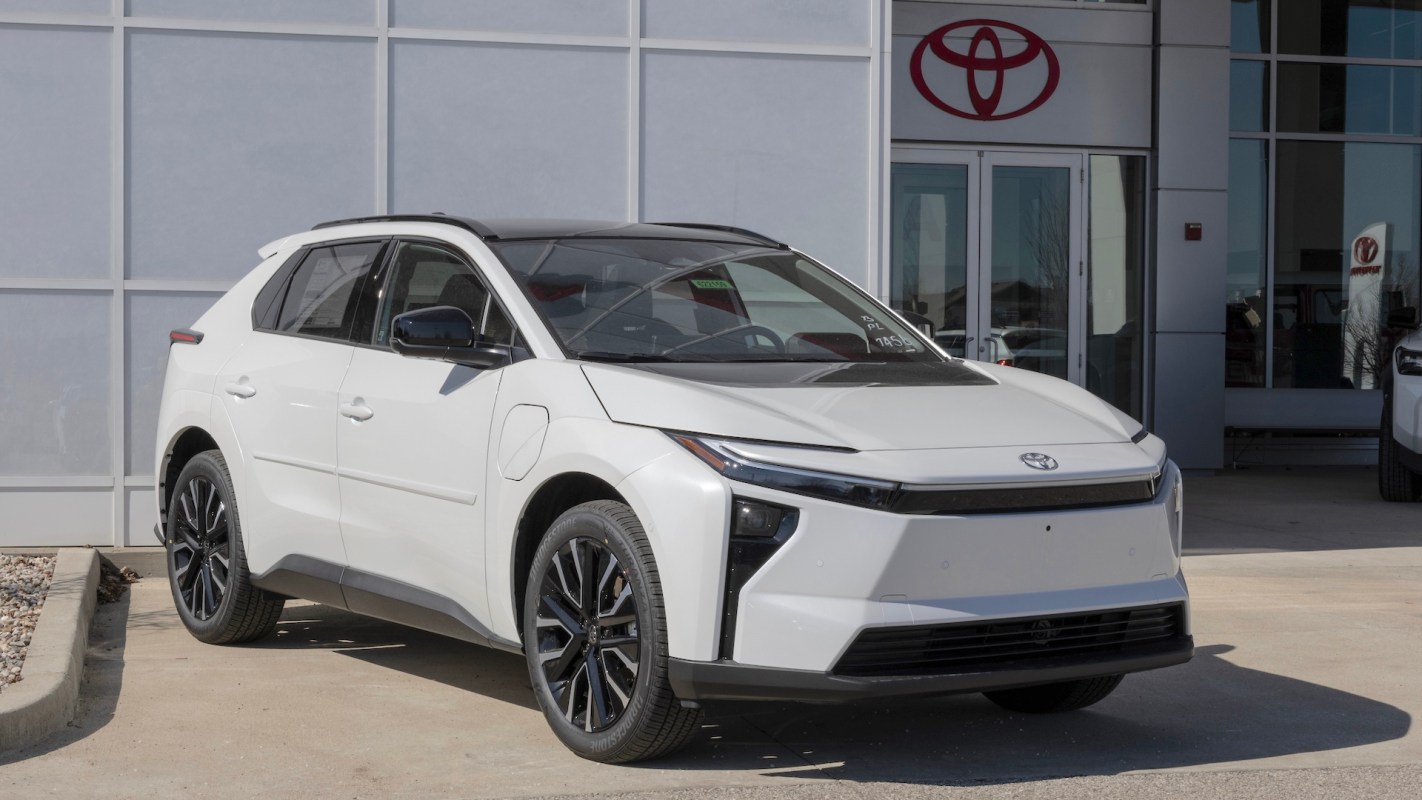
In the United States, Toyota's 2026 bZ is becoming a major part of the company's electric-vehicle business.
The electric SUV has cleared 17,500 sales in 2026 so far, putting it ahead of several familiar Toyota SUVs and pointing to growing interest in its updated range, charging setup, and price.
What happened?
As Electrek reported, Toyota sold 17,553 bZ models in the first half of 2026 — a 90% increase from the same period last year.
Over that same stretch, Toyota sold 16,412 Land Cruisers and 13,939 Sequoias, leaving the bZ ahead of both.
Toyota's updated bZ, which is still sold overseas as the bZ4X, appears to be benefiting from a round of upgrades aimed at some of the biggest concerns drivers have about EVs.
The 2026 model offers up to 314 miles of range, about 25% more than the outgoing version. Electrek reported that it also adds more powerful electric motors, battery preconditioning, and a standard NACS port so drivers can use Tesla Superchargers without needing an adapter.
TCD Picks » Quince Spotlight
💡These best-sellers from Quince deliver affordable, sustainable luxury for all




Electrek noted that the bZ had already climbed to No. 3 among EVs in the U.S. in the first quarter, and it carried that momentum through June. It also narrowly outpaced the Chevy Equinox EV, which sold 16,249 units in the first half of the year, though it still trails the Hyundai IONIQ 5, which topped 20,000 sales.
That gain is happening as Toyota adds more EVs to its lineup.
Electrek reported that Toyota's U.S. EV offerings now include the bZ, C-HR, and bZ Woodland, while Lexus sells the RZ and the new ES EV. Through June, Toyota sold 3,748 C-HR models and 554 bZ Woodland models, while Lexus moved 7,814 RZs.
Why does it matter?
The bZ's performance is another sign that more mainstream automakers are starting to offer EVs that feel practical rather than experimental.
Electrek reported that, with a starting price of around $35,000, the bZ is one of the more accessible EVs on the market. Once drivers make the switch, the savings can continue to add up, as EVs generally cost less to fuel than gas-powered vehicles and typically require less routine maintenance because they do not need oil changes and have fewer moving parts.
Toyota's momentum could also help more shoppers feel comfortable considering an EV, particularly as charging access continues to expand.
Charging at home is also significantly cheaper than relying on public chargers. For drivers looking to upgrade, Qmerit provides free, instant installation estimates for faster Level 2 home chargers.
Electrek reported that later this year, Toyota and Lexus plan to launch their first three-row electric SUVs: the 2027 Highlander BEV and Lexus TZ.
What are people saying?
Electrek summed up the shift bluntly: "Toyota is finally selling electric vehicles, and it's not just in the U.S."

Get TCD's free newsletters for easy tips, smart advice, and a chance to earn $5,000 toward home upgrades. To see more stories like this one, change your Google preferences here.






