


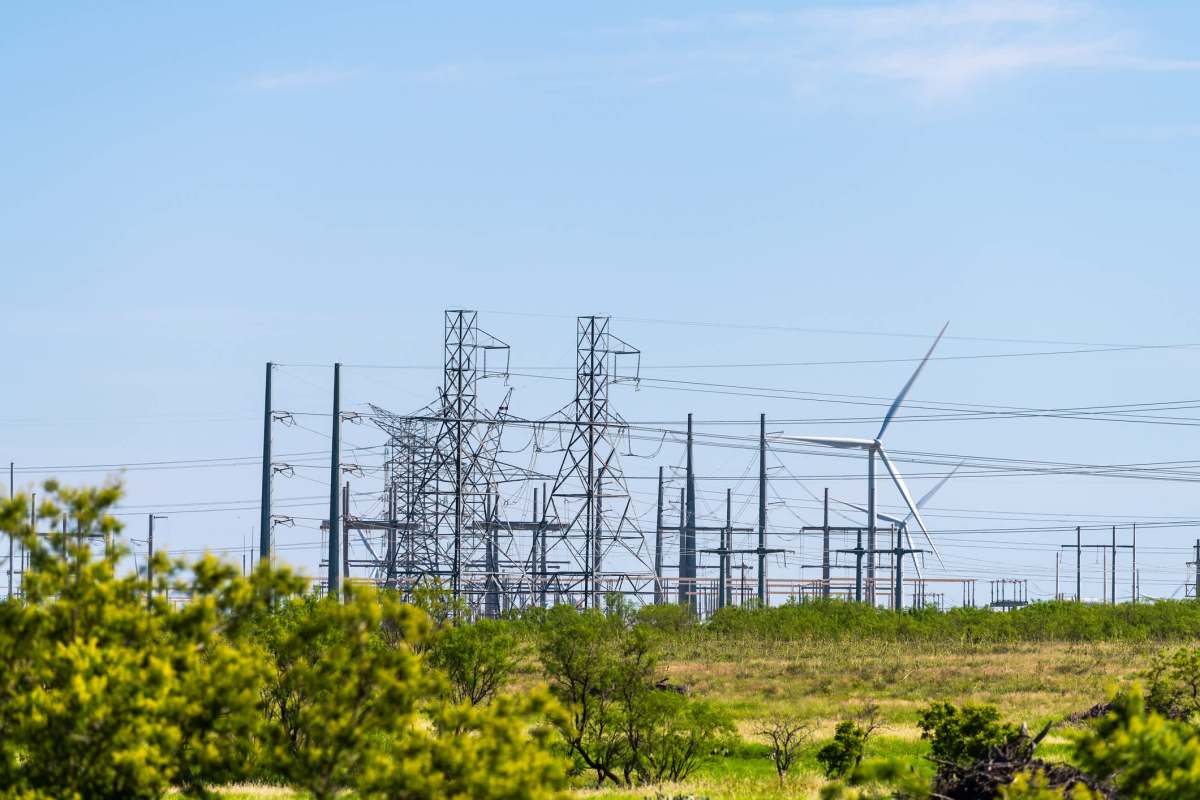
Texas regulators are considering a change that could shift more electric grid costs onto some of the state's biggest power users rather than everyday households.
If approved, the proposal would change how major new electricity users, including industrial operations, pay for the transmission network they rely on.
What happened?
On Thursday, the Public Utility Commission of Texas reviewed potential rule changes that would make large loads pay more toward transmission maintenance, an approach aimed at limiting how much of that burden falls on residential customers, according to Blockspace.
Texas spends about $5.5 billion each year on transmission, and regulators say roughly 44% of that falls on residential ratepayers. Regulators' goal is to prevent homeowners from subsidizing major industrial demand.
Texas Gov. Greg Abbott has set an accelerated schedule: he wants a joint PUC-ERCOT memo by July 17, proposed residential cost reductions by July 31, and a completed rulebook by Dec. 31.
ERCOT, in a separate meeting, focused on administrative steps rather than the underlying policy debate. ERCOT officials reviewed the July 10 "Batch Zero" paperwork deadline, part of a process that evaluates all loads above 75 megawatts across the grid instead of considering them individually.
TCD Picks » Quince Spotlight
💡These best-sellers from Quince deliver affordable, sustainable luxury for all




Why does it matter?
The core question is who pays when the grid expands to serve massive new electricity users.
If regulators decide that very large customers should absorb more of those costs, the shift could ease some pressure on residential bills. The change would also send a clearer price signal to companies planning power-intensive projects in Texas, where rapid growth has raised concerns about how grid investments are funded.
Texas has become a poster child for enormous electricity demand. As demand rises faster than grid planning and cost rules can adapt, households may end up facing higher costs even when they aren't the primary drivers of new infrastructure needs.
Residents need reliable power, but the cost of supporting giant new facilities remains central to the debate over monthly bills.
What's being done?
State regulators are now working through both a rule change and a procedural overhaul.
At the PUC, commissioners are considering whether large-load customers should cover a larger share of transmission maintenance costs, a push tied to Abbott's deadlines to find residential savings and finalize a framework before year-end.
By examining all loads above 75 megawatts across the system at once rather than one by one, ERCOT's new "Batch Zero" aims to clarify future demand. The review could give grid planners a better sense of where major demand is coming from and what infrastructure the grid will need before projects move forward.

Get TCD's free newsletters for easy tips, smart advice, and a chance to earn $5,000 toward home upgrades. To see more stories like this one, change your Google preferences here.






