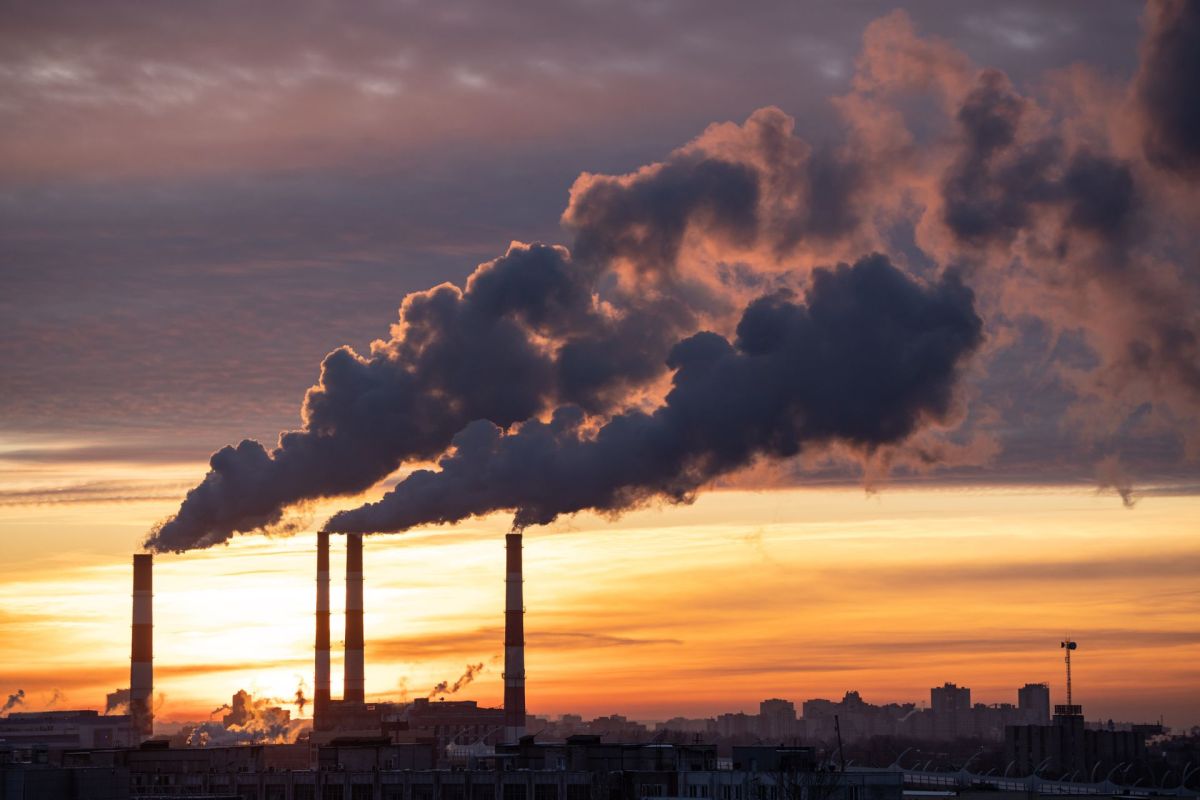
Texas' expanding pipeline of proposed gas-fired power plants is set to power surging electricity demand from data centers.
Here's what to know
According to San Antonio Current, data from Global Energy Monitor shows Texas' planned gas generation grew 50% as the state's 12 biggest planned gas plants are all intended to supply data centers, tying the rise of AI and cloud computing to a substantial new buildout of fossil fuel infrastructure.
Global Energy Monitor's tracker lists 81.7 gigawatts of gas power already operating in Texas, with 99.4 gigawatts in development and another 22.4 gigawatts announced.
The individual projects, while not guaranteed to move forward, are massive. GW Ranch Energy Center near Fort Stockton is expected to emit 33 million tons of greenhouse gases a year, while Fermi America's Project Matador in the Panhandle is projected at 24 million tons. The gas power tied to the Nexus Data Center Hubbard in Southeast Texas is projected to emit 22 million tons annually.
Jenny Martos, project manager for the Global Oil and Gas Plant Tracker, said the buildup could face serious obstacles. "This frenzy of gas proposals is running headlong into the hurdles of an already tight gas market," Martos said. "It is nearly impossible nowadays to guess what is a pie in the sky proposal, and what has a real chance of getting built."
More background
Because large combined-cycle turbines are facing supply delays, the report says developers are increasingly choosing smaller gas engines and simple-cycle turbines, which can be installed more quickly but create more pollution.
TCD Picks » Quince Spotlight
💡These best-sellers from Quince deliver affordable, sustainable luxury for all




Global Energy Monitor said those technologies make up nearly half of gas proposals linked to data centers nationwide.
Coal and natural gas power plants also contribute to climate, air, and water pollution linked to asthma, heart disease, cancer, and premature death. They can also keep energy costs high for households that remain dependent on fuels with volatile prices instead of drawing from abundant sources such as sunlight and wind.
Permit records cited by Inside Climate News indicate that only a few of these Texas projects could collectively exceed 100 million tons of greenhouse gases per year — roughly comparable to the annual emissions of a mid-sized industrialized country.
Industry lobbying and pressure to build more fossil fuel infrastructure can delay cleaner, cheaper energy solutions. These same projects are also projected to send thousands of tons of additional pollutants into nearby communities.
What's being done?
Inside Climate News reports that Texas Governor Greg Abbott has urged data center developers to generate their own electricity instead of pulling it from the state grid. "They must not take power from the Texas power grid," Abbott told ABC News. "They need to make sure that they are not disturbing neighborhoods or rural communities."
In August, he also said data center proposals would be put on a "pause," reflecting concerns about strain on the power system and effects on local communities.
But filings moving through the permitting process indicate that self-supplied power can mean constructing large new gas plants next to data center campuses. Permit applications for projects including Kilby Power Plant, Westline 2335, Roman Energy Center, and Longhorn Power Plant all describe equipment meant to meet on-site data center demand.
One permit application for the Kilby said, "The simple-cycle turbines are critical to provide uninterrupted power operating behind the meter to meet onsite data center customers' dynamic power demands."
If these permits are approved, the consequences can ripple outward, shaping everything from public health to what people ultimately pay for energy.

Get TCD's free newsletters for easy tips, smart advice, and a chance to earn $5,000 toward home upgrades. To see more stories like this one, change your Google preferences here.