


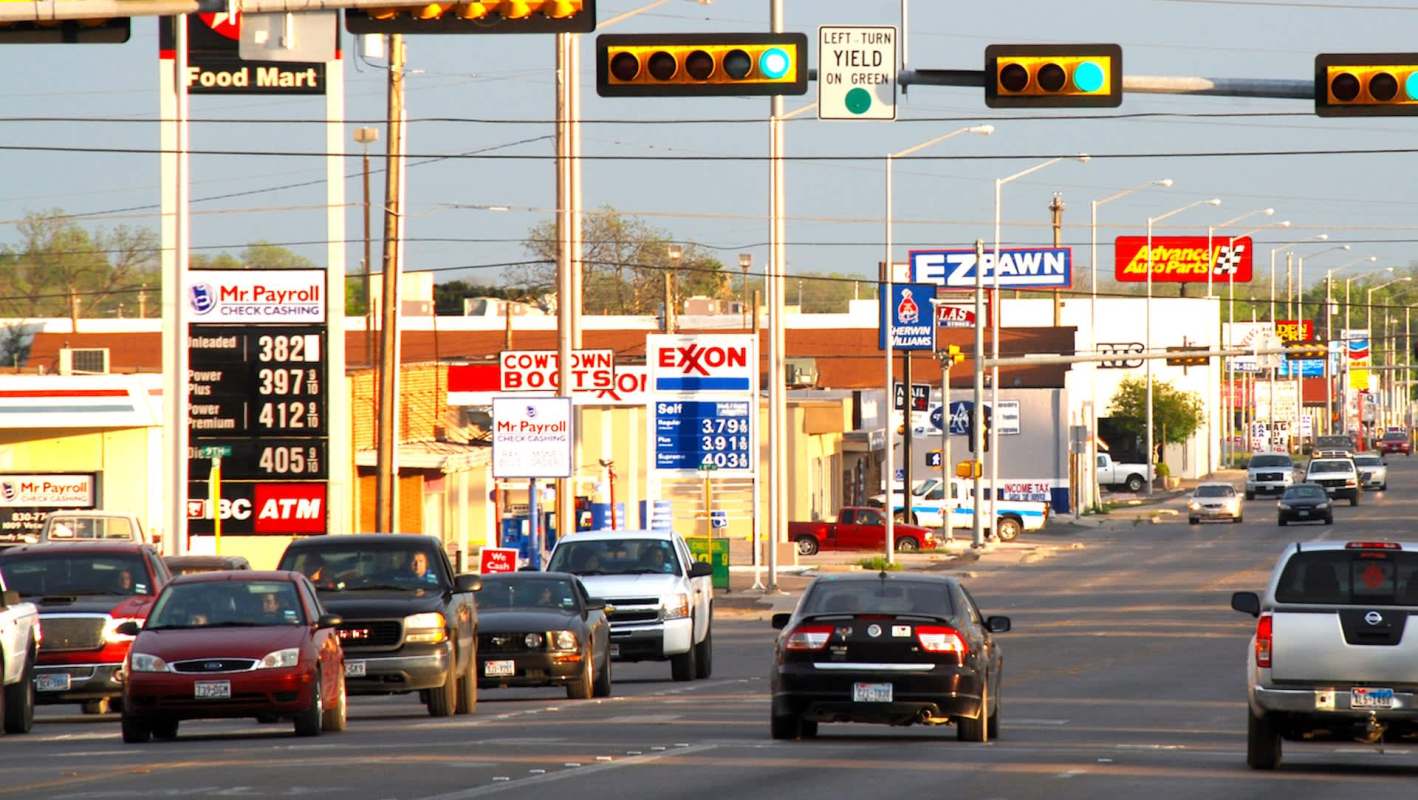
Texas drivers are feeling another jolt at the pump. In Dallas and Fort Worth, regular gas prices were about 35% higher on September 11 than they were a year earlier.
That increase comes as inflation is still outpacing wage growth, making it harder for households to stretch each paycheck.
Here's what to know
Gasoline was a major contributor to August price pressure. The U.S. Bureau of Labor Statistics figures cited by The Dallas Express showed gas prices rose 3.9% from July and 27.4% from a year earlier, while the broader consumer price index increased 0.4% for the month and 3.4% over 12 months.
Wages still lagged: average hourly earnings rose 0.3% before inflation in August, but real hourly earnings dipped 0.1%.
The contrast with August 2022 is notable. At that point, overall inflation was 8.3%, and the gasoline index was 25.6% higher than a year earlier. In August 2026, gas inflation was slightly higher, even though overall inflation was much lower.
Over the year ending in August 2026, the Bureau of Labor Statistics found that real hourly earnings declined 0.3%. Real weekly earnings still inched up, but only because the average workweek lengthened rather than because workers gained more buying power from each hour on the job.
Texas pump prices show the same strain. On September 11, AAA put the statewide regular average at $3.85, up from $2.80 a year earlier. Local averages were $3.88 in Dallas and $3.88 in Fort Worth-Arlington, compared with $2.89 and $2.87 a year earlier.
More background
The pain is not limited to regular unleaded. Because shipping and delivery companies often add fuel surcharges, higher diesel prices can ripple through the economy, and AAA listed diesel at $5.83 per gallon in Dallas, $5.80 in Fort Worth-Arlington, and $5.67 statewide.
Save $10,000 on solar panels without even sharing your phone number Want to go solar but not sure who to trust? EnergySage has your back with free and transparent quotes from fully vetted providers that can help you save as much as $10k on installation. To get started, just answer a few questions about your home — no phone number required. Within a day or two, EnergySage will email you the best local options for your needs, and their expert advisers can help you compare quotes and pick a winner. |

Other federal inflation data pointed in the same direction. Final demand producer prices were up 5.4% over 12 months, and diesel fuel prices jumped 24.1% in August alone. Transportation and warehousing services rose 2.3%, and truck freight prices climbed 2%, increases that can later filter into the cost of everyday goods.
The fossil fuel industry's impact extends far beyond household budgets. Coal and natural gas power plants contribute to air and water pollution linked to asthma, heart disease, cancer, and premature death, while also keeping energy costs high for families that depend on fuels instead of more abundant sources such as sunlight and wind. Industry lobbying can also delay cleaner, cheaper energy solutions that would better protect communities and lower costs.
Inflation was also hanging over the Federal Reserve's Sept. 15-16 policy meeting, with implications for the economic outlook and consumer borrowing costs.
What can be done?
The Federal Reserve has previously tied persistent inflation to energy disruptions, The Dallas Express reported, saying, "Inflation remained elevated partly because supply shocks had raised prices in sectors including energy."
More From EnergySage
💡Go deep on the latest news and trends shaping the residential solar landscape

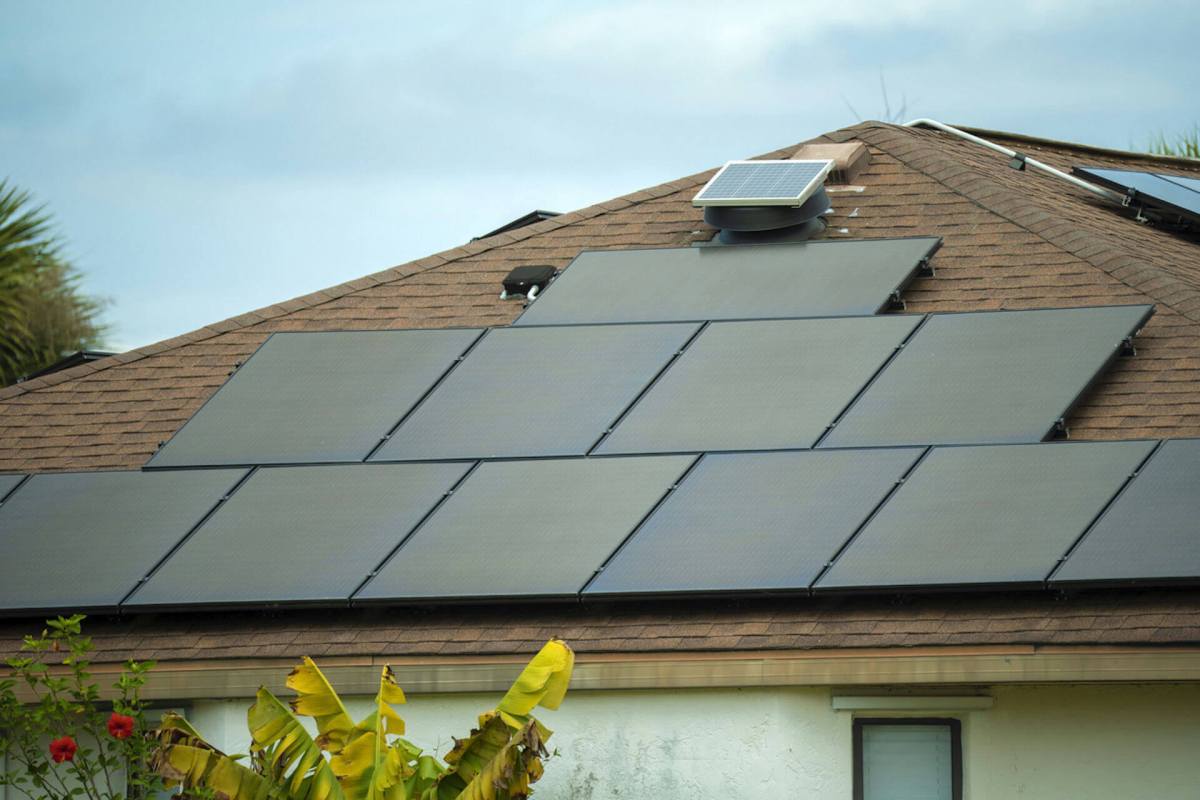

For households looking to limit the damage from volatile fuel prices, the most practical steps are usually reducing energy waste, improving home efficiency, and considering cleaner power options that offer more predictable costs.
Getting an EV instead of a gas car, a heat pump instead of an oil furnace, and going solar are some of the best ways to save money on home energy when fossil fuel prices swing. You can explore EnergySage to get free solar installation estimates and compare quotes.
EnergySage's free services can make that process easier, and the average household can save up to $10,000 on a solar panel installation. You can also use EnergySage's solar map, which shows the average cost of a home solar panel system on a state-by-state level, along with details on solar panel incentives for each state, to help get the best price for rooftop solar panels and access available incentives.
Adding battery storage to a solar setup is one of the best ways to protect your home during outages, save money on energy, and go off-grid. You can explore EnergySage for information about home battery storage options, including competitive installation estimates.
Where can I learn more?
Higher gas and diesel prices usually go along with more widespread energy strains that can show up in household bills in other ways, especially when old fossil fuel infrastructure is under pressure from rising demand.
• Across the U.S., data center electricity bills are pushing household power costs higher.
• In West Virginia, aging coal plants burden ratepayers decades after they first came online.
• In Texas oil country, ClimateWells confronts abandoned wells still leaking across aging fields.

Get TCD's free newsletters for easy tips, smart advice, and a chance to earn $5,000 toward home upgrades. To see more stories like this one, change your Google preferences here.






