


As conflict involving Iran disrupts shipping through the Strait of Hormuz, drivers and households in Central Texas are starting to feel the impact at the pump and in grocery aisles.
Still, experts say that consumer behavior might not be shifting as much as anticipated.
Here's what to know
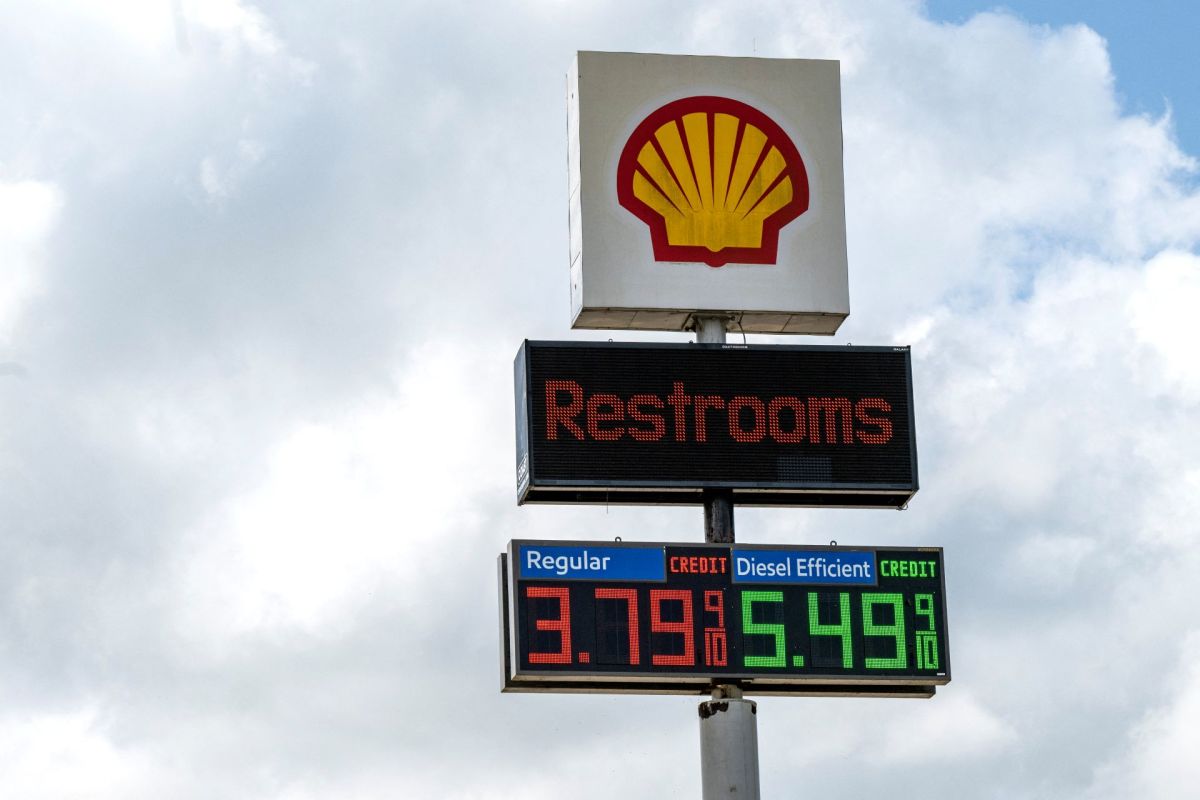
As CBS Austin reported, regular unleaded gas in the Austin-San Marcos area is way higher than a year ago.
"As of today, the average price for a gallon of regular unleaded in the Austin-San Marcos area is $3.70 — about 98 cents more per gallon than one year ago," Doug Shupe, a spokesperson for AAA Texas, told the station.
Because about one-fifth of the world's oil and gas moves through the Strait of Hormuz, problems there can quickly affect fuel prices in the U.S. Shupe says the higher prices are unlikely to cancel most Labor Day trips.
"Yeah, we don't anticipate that the higher gas prices will deter most people from traveling, and the reason for that is many families will make their plans to travel for a long holiday weekend like Labor Day weekend well before," he explained to the outlet.
In this background of high gas prices, going solar is one of the best ways to save money on home energy and reduce exposure to volatile fuel costs. Homeowners can explore EnergySage to get free solar installation estimates and compare quotes.
More background
Gas isn't the only item with rising prices, CBS Austin noted. Airfare pressures are growing too, with jet fuel prices nearly doubling. Still travelers may be undeterred.
Save $10,000 on solar panels without even sharing your phone number Want to go solar but not sure who to trust? EnergySage has your back with free and transparent quotes from fully vetted providers that can help you save as much as $10k on installation. To get started, just answer a few questions about your home — no phone number required. Within a day or two, EnergySage will email you the best local options for your needs, and their expert advisers can help you compare quotes and pick a winner. |

"If they're going, you know, on a cross-country trip and they only have like five days over a holiday weekend, then those travelers will likely pay a little bit more for their airfare," Shupe told the station.
CBS Austin noted that Vice President J.D. Vance has been reluctant to promise too much relief for high fuel prices in public comments. Volatility is just one of the problems of the fossil fuel industry.
Coal and natural gas power plants contribute to air and water pollution linked to asthma, heart disease, cancer, and premature death, while also keeping many households tied to energy sources whose prices can spike with little warning.
Sunlight and wind are more abundant, and industry lobbying has often slowed cleaner, cheaper energy options that could better shield families from these kinds of shocks.
More From EnergySage
💡Go deep on the latest news and trends shaping the residential solar landscape


What can be done?
On a more day-to-day level, families can also ease the sting of price spikes by combining errands, keeping tires properly inflated, and considering whether shorter drives make more sense.
For households looking to lower their long-term bills, clean energy can offer a buffer. EnergySage's free services can help people compare vetted quotes in one place, and with EnergySage's help, the average person can save up to $10,000 on solar purchases and installations.
Tools like EnergySage's solar map also show the average cost of a home solar panel system on a state-by-state level, along with solar incentives available in each state, helping readers get the best price for rooftop panels and access available savings.
Adding battery storage to a solar setup is one of the best ways to protect your home during outages, save money on energy, and go off grid. Readers can explore EnergySage for information about home battery storage options, including competitive installation estimates.
Where can I learn more?
The pain at the pump in Austin fits into a much bigger picture. Households also end up paying the health, infrastructure, and utility costs tied to fossil fuels. Measures like cutting gasoline demand with EVs to dealing with pollution and other burdens tied to oil, gas, and coal are being implemented nationwide.
• Programs in some states are targeting high-mileage drivers to cut gasoline use faster.
• Across oil states including Texas, crews are plugging abandoned wells that leak pollution.
• Researchers say oil and gas pollution is driving asthma and premature deaths nationwide.
• In Colorado, regulators reached a critical pollution milestone for oil and gas operators.
• In West Virginia, aging coal plants keep impacting consumers after 50 years of use.
Fuel price shocks rarely stop at the gas pump. The same energy system affecting Labor Day travel plans can also shape household budgets, air quality, and how well families can handle the next disruption.

Get TCD's free newsletters for easy tips, smart advice, and a chance to earn $5,000 toward home upgrades. To see more stories like this one, change your Google preferences here.






