


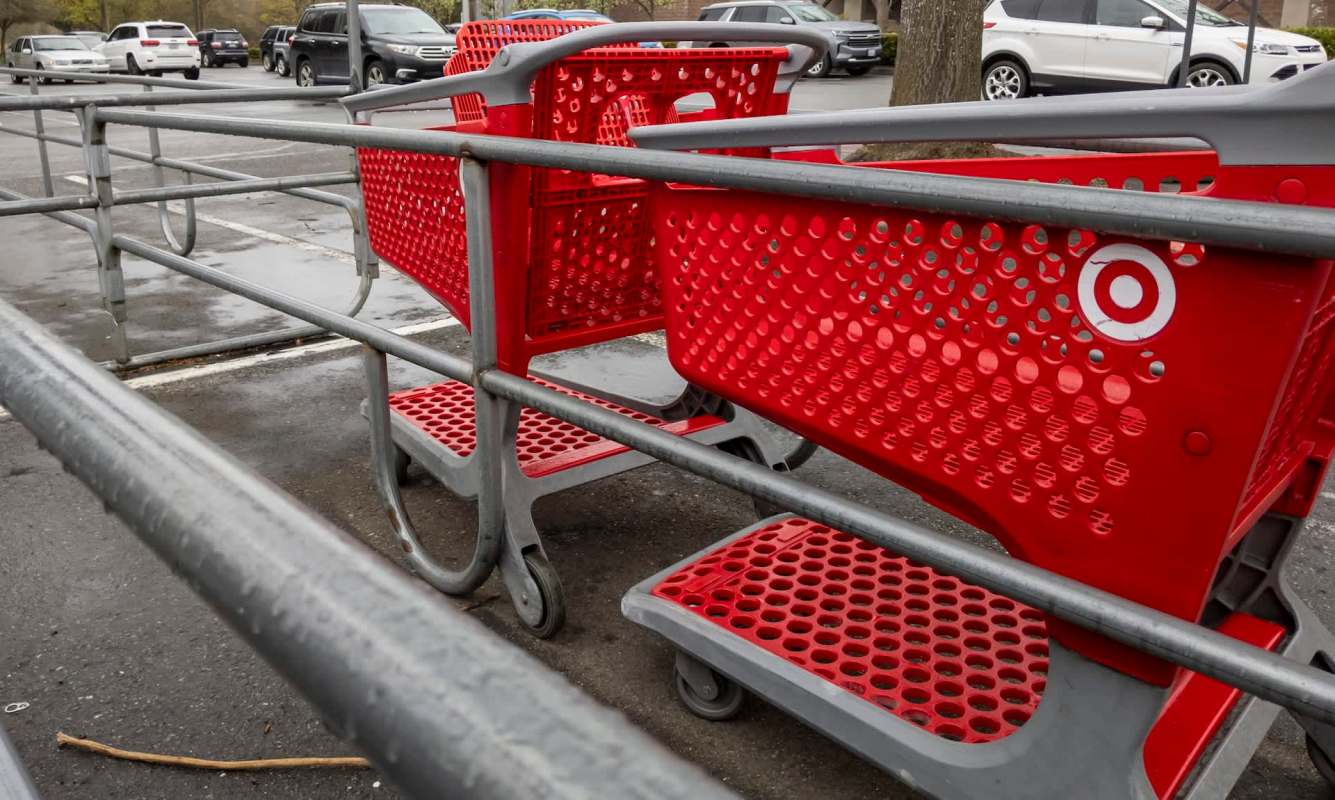
Target's redesigned shopping carts are facing backlash after shoppers and workers said the new models are already breaking down.
According to the New York Post, Target plans to introduce roughly 50,000 new shopping carts at nearly 2,000 stores across the United States as part of a broader effort to improve the in-store shopping experience.
In a statement, the retailer said the new carts were developed with a focus on "style, design, and function" and informed by customer research. The updated design reportedly includes drink holders and a redesigned child seat to keep children more secure.
But early reactions online have been far less enthusiastic.
On Reddit, one shopper described the carts at their local store as "pieces of garbage" that were "falling apart," claiming employees spotted broken components in the store and parking lot on the very first day.
The same post also alleged that the new carts were harder to push and that the child seat felt too cramped.
TCD Picks » Quince Spotlight
💡These best-sellers from Quince deliver affordable, sustainable luxury for all




Workers have voiced frustrations as well. One employee claimed the carts do not work properly with the store's cart-pushing machines because the wheel arrangement makes them difficult to steer when nested together. Others said the carts can also be harder to maneuver by hand.
Shopping carts may seem simple, but they require large amounts of raw materials, manufacturing, and transportation.
If thousands of carts need repairs or replacement soon after rollout, that could mean additional waste, higher shipping demands, and more discarded plastic and metal ending up in landfills.
For shoppers, unreliable carts can make routine errands more stressful, especially for parents with young children, older adults, and people with mobility challenges who depend on stable, easy-to-handle equipment.
For workers, poorly functioning carts may create even bigger problems. Harder-to-steer carts or equipment incompatible with existing cart-pushing systems can increase physical strain, slow down work, and potentially create safety risks in busy parking lots and store entrances.
More broadly, the situation is a reminder that "new" does not always mean "better."
When companies prioritize aesthetics, novelty, or rapid deployment over durability and usability, customers and employees are often left to deal with the consequences.
So far, much of the pressure for change has come from shoppers and workers publicly documenting the problems online.
That feedback could still influence the rollout. If Target responds to the complaints, the company may have an opportunity to adjust the design, improve quality control, or slow expansion until the carts function more reliably for both employees and customers.

Get TCD's free newsletters for easy tips, smart advice, and a chance to earn $5,000 toward home upgrades. To see more stories like this one, change your Google preferences here.






