


Earlier this year, the Ministry of Agriculture in Taiwan announced its plans to ban the ownership or importation of an additional 955 animals, according to the Taipei Times. This move aims to keep humans safe, decrease the damage species cause to the environment, and aid animal welfare.
Department of Animal Welfare director Chiang Wen-chuan said the reason for the potential ban is due to the risk these specific animals pose to ecology and public safety.
Some of the animals on the proposed list include those that are dangerous to people, such as venomous snakes and other animals that can cause injuries.
In areas around the world, imported animals are sometimes released — accidentally or on purpose — into the environment. As they reproduce, they become invasive, often pushing out local wildlife and destroying nature.
Reducing animal importation also improves animal welfare. Wildlife is often stressed during capture and transportation and put at high risk for diseases while they travel.
While the ban seems positive overall, it's not without its critics. Ko Hsin-ping, an animal expert and member of a pet ownership alliance that staged a protest against the ban, has concerns it could actually harm animals.
Ko worried the ban would create a black market for the animals, negatively impacting their welfare and making it difficult for the government to manage. He also said the proposed list lacked legal support and scientific evidence.
Animals banned from import or ownership include all species of the Dasypodidae family, or armadillos, the spectacled caiman, and Castor genus, like beavers, and Canidae family — except for domestic dogs — according to the department.
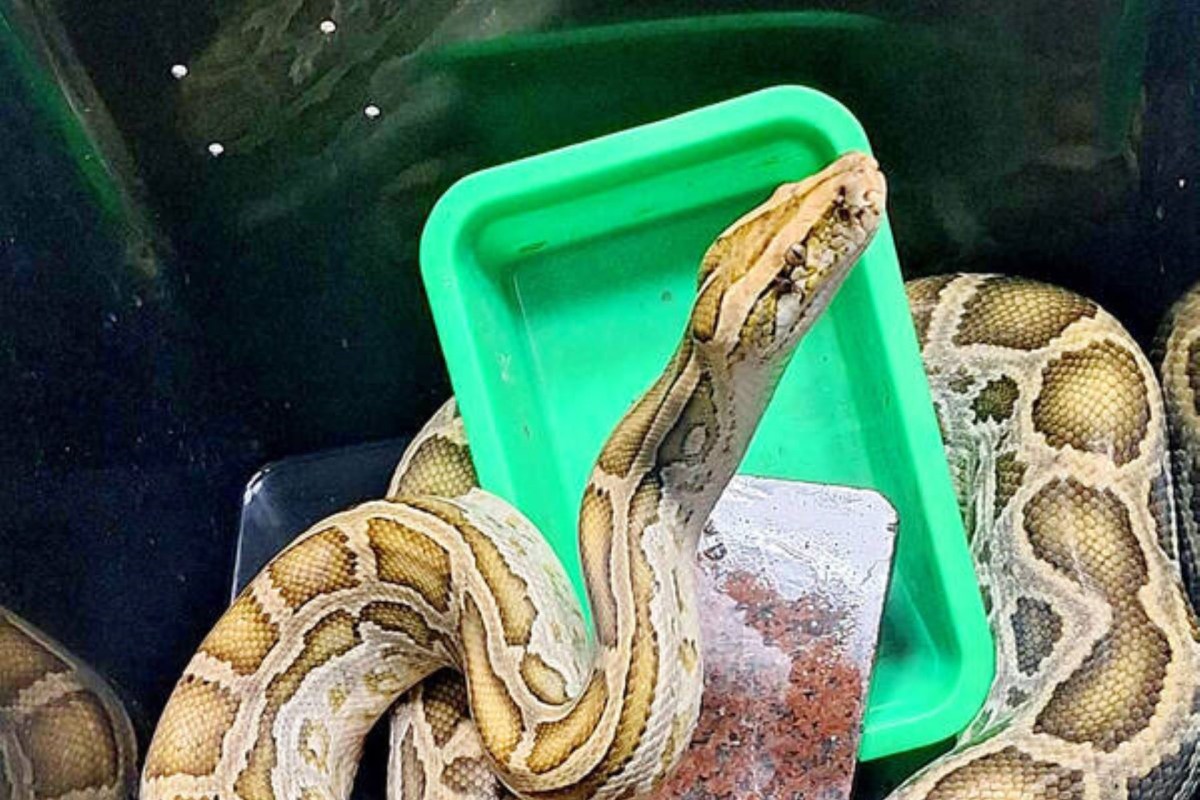
There are eight categories of animals banned from ownership, including raccoons, Burmese pythons, and all species of the Chelydridae family, which are snapping turtles.
|
Should the government be allowed to restrict how much water we use? Click your choice to see results and speak your mind. |
 Definitely 💯
 National Taiwan Normal University Department of Life Science professor Lin Si-min also opposed the ban and called for pet owner education and improved risk management instead.
TCD Picks » Quince Spotlight
💡These best-sellers from Quince deliver affordable, sustainable luxury for all




According to Taipei Times, the Taiwan Amphibian and Reptile Association posted on Facebook about the proposed ban pointing out that the 955 added species were chosen by the Industrial Technology Research Institute.
The post stated, per Taipei Times, "An agricultural policy formulated by an agricultural agency was entrusted to an industrial research institute for evaluation, instead of an institution specializing in wildlife and unusual and eccentric pets, and the agency adopted its evaluation results. This approach is unacceptable."
Chiang Wen-chuan said the final decision on the ban will be based on finding the greatest common ground.

Join our free newsletter for good news and useful tips, and don't miss this cool list of easy ways to help yourself while helping the planet.
Cool Picks






