


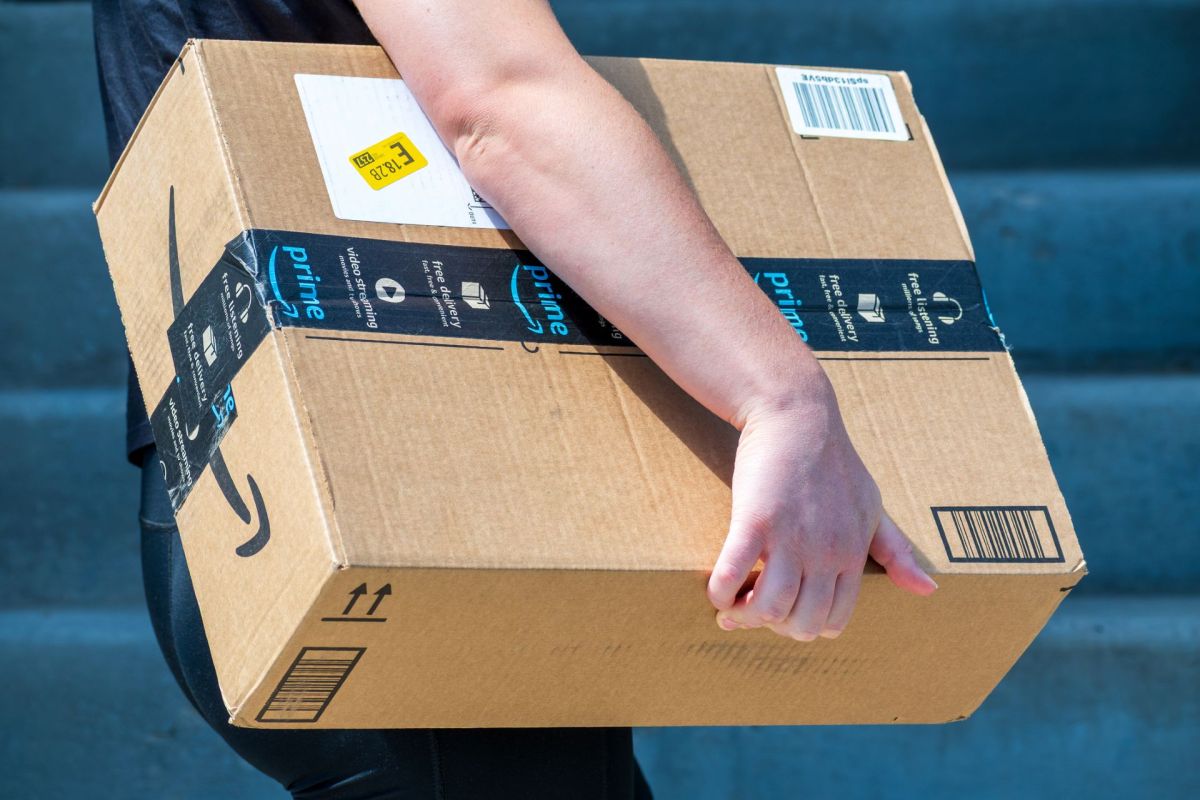
A retail employee's description of processing Amazon returns resonated on the r/Anticonsumption subreddit for revealing the waste built into "easy" shopping.
What happened?
In the post, the worker shared what daily life looks like at a store that accepts Amazon returns.
"I work in retail, and my store takes Amazon returns," they said. "I'm not even exaggerating when I say we process over 100 returns a day."
The amount of plastic, in particular, alarmed them.
"Every return has to go in a plastic bag (except for extremely large items), then those bags go in giant boxes, and those giant boxes get shipped back to Amazon," they added. "We fill 20-30 of those boxes every day, even on non-weekends."
The post highlights that "free" returns can still involve many steps and fresh packaging before an item moves on. It also called out customers who routinely make returns.
TCD Picks » Quince Spotlight
💡These best-sellers from Quince deliver affordable, sustainable luxury for all




The fact that people order multiple sizes just to try them all, buy heaps of clothes they don't need, or browse for fun frustrated the original poster.
Why does it matter?
Sending back a purchase requires labor, transportation, and packaging. In this case, it means each item gets its own plastic bag before being packed into a box.
Once customers hand over returns, the impact does not disappear. The process generates plastic waste locally, adds pollution from shipping, and normalizes patterns associated with overconsumption.
Ordering several sizes with the expectation of returning most of them may seem useful, but it also intensifies the strain on workers and the environment. Commenters raised concerns about the inconsistent sizing and product quality that are fueling this cycle.
What are people saying?
People linked the poster's frustration to familiar online shopping habits.
"Ugh, sounds gross," one user wrote. "The whole 'order every size' thing is pretty terrible."
Others alluded to manufacturers' culpability in the process.
"Yeah, I think you can't eliminate the multiple sizes thing without companies making some changes," someone said.
The replies pointed out not just the waste factor but the retail model in which that waste has become an ordinary part of doing business. The OP addressed backlash over their insistence on consumers trying products before buying, which isn't always realistic.
They countered that consumers have made their bed on this issue and now have to sleep in it.
"It's your only choice now because it was the cheaper, easier choice in the past," they wrote in an update. "Now we're all stuck with it, and essentially no one is free from blame."

Get TCD's free newsletters for easy tips, smart advice, and a chance to earn $5,000 toward home upgrades. To see more stories like this one, change your Google preferences here.






