


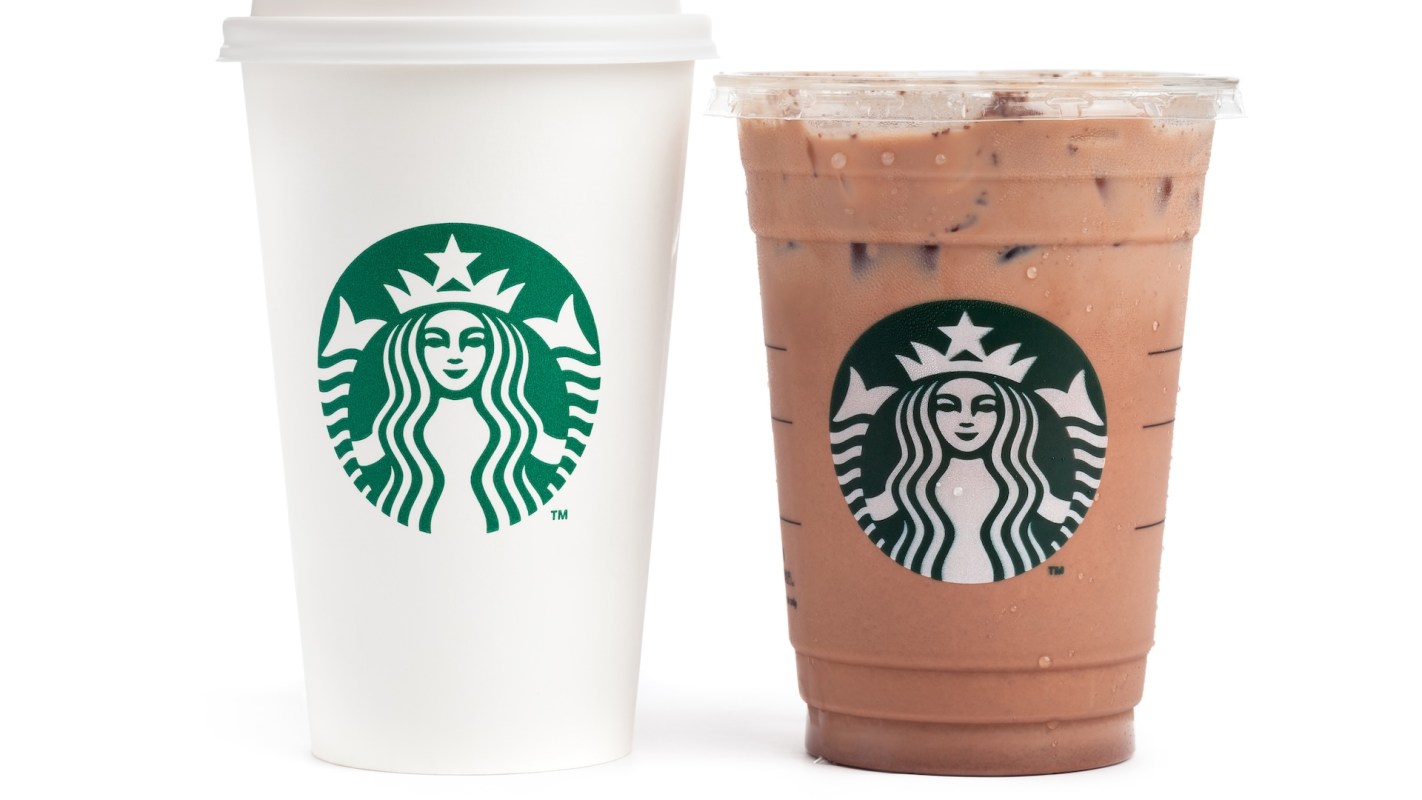
A new investigation is raising difficult questions about Starbucks' claim that its plastic cold-drink cups are "widely recyclable."
Beyond Plastics said cups placed in clearly labeled in-store recycling bins did not end up being recycled at all.
What's happening?
The Guardian reported that earlier this year, Starbucks said its plastic cups had received a "widely recyclable" designation through How2Recycle, an industry-linked labeling group. But researchers at environmental watchdog organization Beyond Plastics set out to test what actually happens after customers toss those cups into store recycling bins.
Between January and March 2026, the group tracked 53 polypropylene cups from Starbucks locations in nine states and Washington, D.C. Study lead Susan Keefe said she placed Bluetooth-enabled trackers inside the cups and dropped them into bins marked as recyclable.
Among the 36 trackers that arrived intact at a final destination, Beyond Plastics said none ended up at a recycling facility. Instead, 16 were traced to landfills, nine to incinerators, eight to waste-transfer stations, and three to materials recovery facilities, which sort and bale materials but do not actually recycle plastic. One cup traveled from Brooklyn to a landfill in Amsterdam, Ohio.
Keefe called Starbucks' claim deceptive. "We have to accept the fact these materials are not being recycled," she said. "They just aren't."
TCD Picks » Quince Spotlight
💡These best-sellers from Quince deliver affordable, sustainable luxury for all




Why is it concerning?
Recycling labels can influence buying decisions and ease guilt around single-use packaging. If those labels overpromise what actually happens, people may believe they are making a responsible choice even when the waste still ends up in a landfill or incinerator.
The report adds to the broader conversation around greenwashing, when sustainability claims sound more impressive than the real-world results. If a company as influential as Starbucks promotes cups as recyclable despite major gaps in infrastructure, it can shift responsibility onto consumers while the waste problem remains largely unchanged.
Beyond Plastics argued that single-use plastics should be phased out in food and drink packaging, noting that peer-reviewed studies have linked plastic-waste exposure to serious health concerns, including respiratory illness, endocrine disruption, and cancer, according to The Guardian.
Polypropylene can technically be recycled, but the practical reality appears far more limited. A late-2025 Greenpeace report found only two commercially operating facilities in the United States equipped to reprocess the material.
What's being done about it?
Starbucks pushed back on the findings, saying it "take[s] issue with the methodology" and arguing that electronic trackers placed inside cups could contaminate recycling streams and alter how materials are handled, The Guardian noted. The company also said recycling outcomes depend on local infrastructure, contamination, and consumer participation, not just cup design.
Beyond Plastics said the company should remove misleading recycling-bin labels, move toward fiber-based cups and lids, and expand reusable options instead of relying on single-use plastic.
"I think we need to stop talking about plastic recyclability and really focus on moving away from single-use plastic," Keefe said. She added, "I really believe that companies, when they make claims, especially claims that are about sustainability and setting goals, that they should be held accountable to those goals."

Get TCD's free newsletters for easy tips, smart advice, and a chance to earn $5,000 toward home upgrades. To see more stories like this one, change your Google preferences here.






