


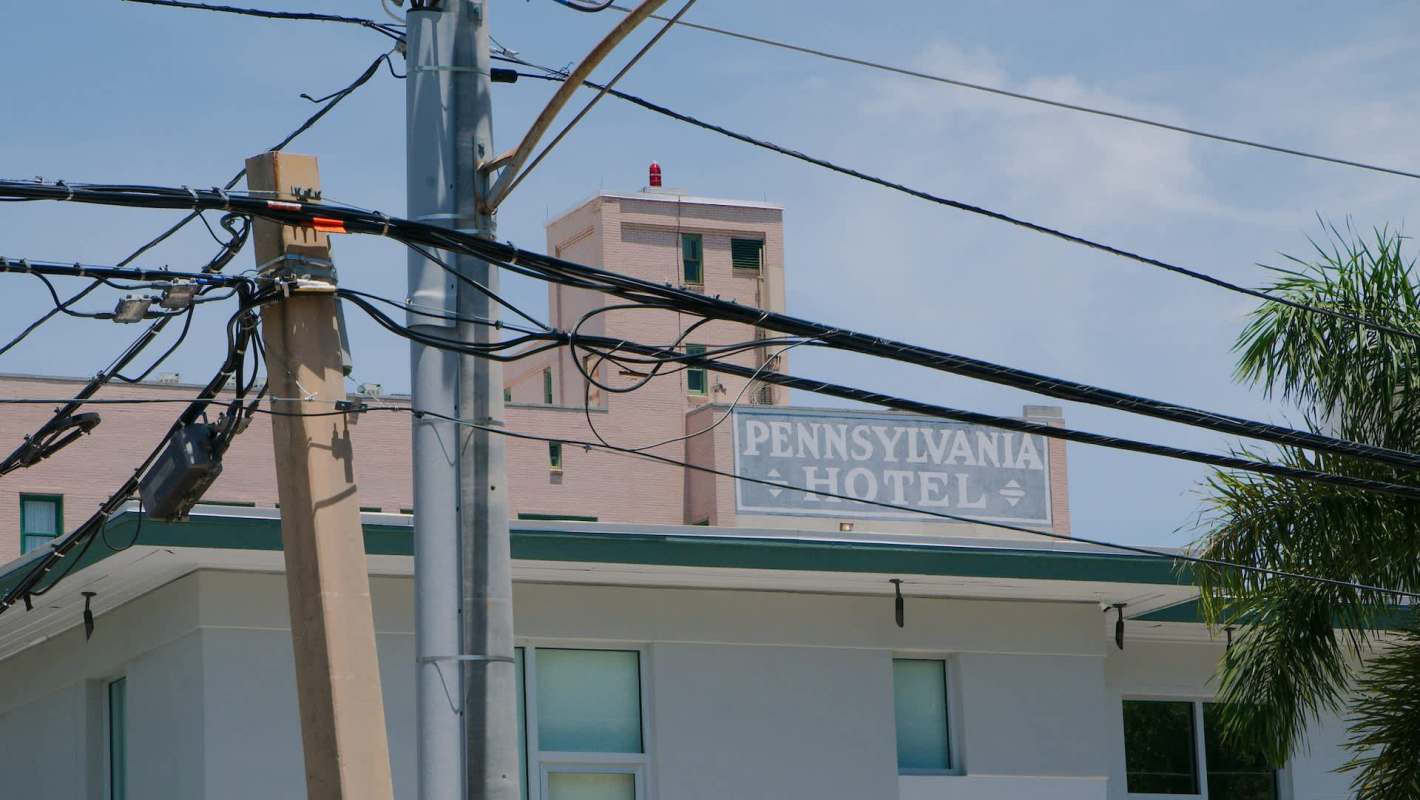
A proposed utility increase in St. Petersburg, Florida, would lift the typical household bill by about 7%, with city officials saying the money would go toward maintaining basic water, wastewater, stormwater, and sanitation systems rather than expanding services.
What's happening?
The St. Petersburg City Council is weighing a set of utility rate hikes, and city staff said a rate freeze would mean trimming current operations and postponing parts of the city's existing capital plan, according to Florida Politics.
For a household that uses 3,500 gallons of water each month, the combined bill would increase by about 7%. Customers who also use reclaimed water would see an increase closer to 8%.
By service, the proposal includes a 7.5% increase for potable water, 6.5% for wastewater, almost 10% for reclaimed water, 8.5% for stormwater, and 6% for sanitation.
Public works administrator Claude Tankersley said the proposal reflects the same inflation pressures residents are facing and is not tied to any significant expansion of city services.
"We're not really adding anything at all to the operations," Tankersley said, per Florida Politics. "We haven't added any staff. We're not adding any new operational activities. We're just staying current."
TCD Picks » Quince Spotlight
💡These best-sellers from Quince deliver affordable, sustainable luxury for all




A first reading was scheduled for August 13, with a public hearing and final vote to come afterward.
Why does it matter?
Utility costs are a basic household expense, and even a single-digit increase can add strain for families already dealing with higher prices in other areas.
Council member Richie Floyd said the city should look beyond the proposal alone and consider the collective impact of repeated increases over time.
"If we looked at that cumulatively, it does look like a really large burden being placed on one generation," Floyd said. "For the last decade, our increase cumulatively … is significant. All of us in the city right now, we feel it, and we feel like we're more than making up for a lack of investment in the past."
City officials said underfunding these systems could leave essential infrastructure older and less reliable, weaken stormwater protection, and create bigger problems in a city already facing infrastructure and climate-related pressures.
What's being done?
Officials said the proposed utility hike is distinct from the November referendum on a $600 million general obligation bond package connected to St. Pete Agile Resilience projects.
Council member Brandi Gabbard said residents need a clearer explanation of why both matters are being discussed at the same time.
"I think we need to have a real transparent conversation about that and the differences between the annual rate increase and what that does and the GO bond in November," Gabbard said.
The city says the annual rate increases would pay for rising operating expenses and keep its existing five-year infrastructure plan on track.
The bond, meanwhile, would allow St. Petersburg to speed up major resilience projects that normal utility revenue could not fund on its own.
Council member Copley Gerdes said the city should not present the two proposals as alternatives to one another.
"I would much rather deal with some of that pushback than actually go backwards," Gerdes said.

Get TCD's free newsletters for easy tips, smart advice, and a chance to earn $5,000 toward home upgrades. To see more stories like this one, change your Google preferences here.






