


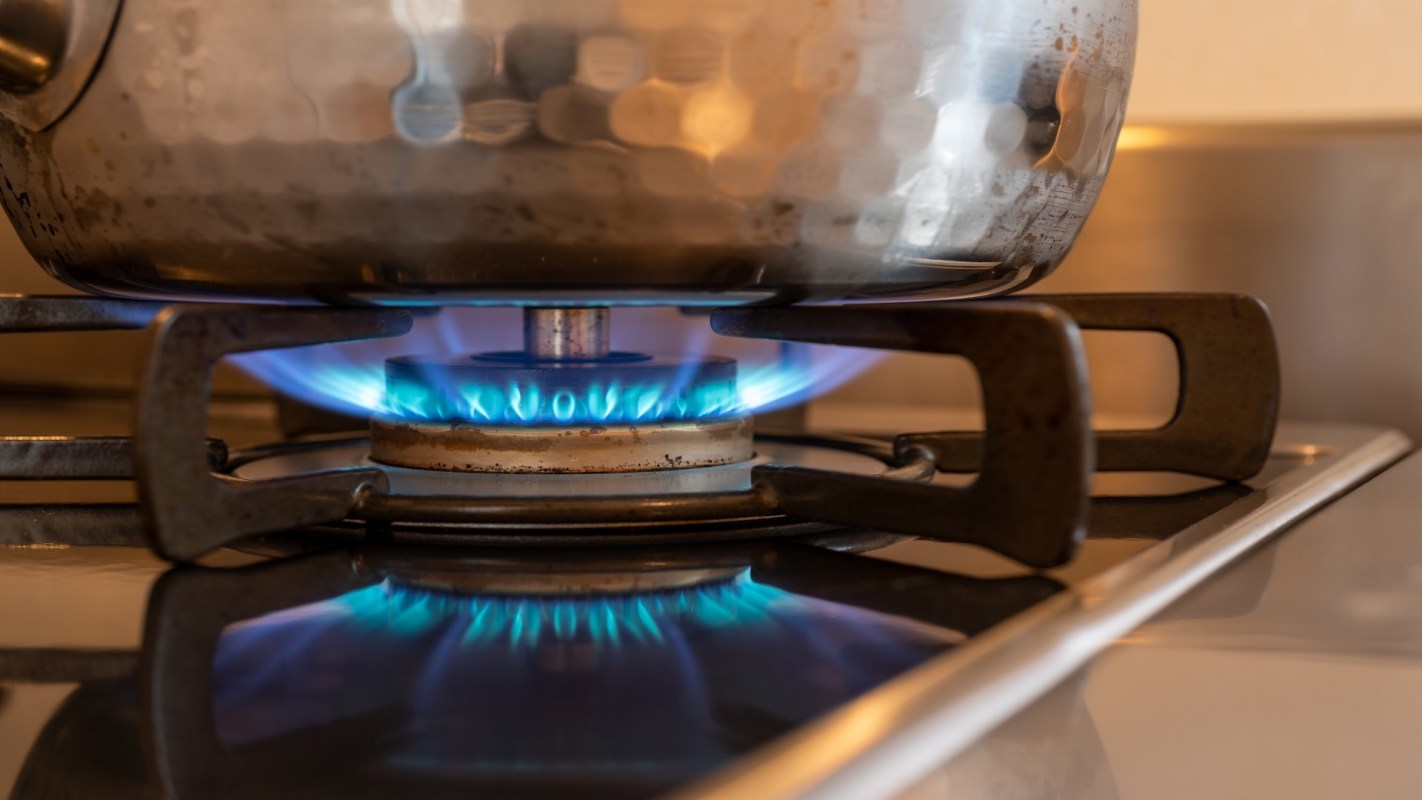
With winter approaching, Spain is moving early to blunt another hit to household energy bills.
Rising inflation tied to war-related disruption in fuel markets has prompted the government to cap increases in regulated gas rates and continue short-term discounts on road fuels.
Here's what to know
According to The Local, Spain announced a new package on September 29, 2026, to soften the impact of higher energy costs.
Key steps include a 15% ceiling on regulated natural gas price increases, along with petrol and diesel discounts of about 76 euro cents per gallon (20 euro cents per liter) in October.
Economy Minister Carlos Cuerpo said the package builds on measures first approved in March, after conflict linked to US-Israeli strikes on Iran rattled global energy markets. He said the goal is to "extend and adapt" that earlier support.
The fuel relief is then set to decline, dropping to about 49 euro cents per gallon (15 cents per liter) in November and about 23 euro cents per gallon (seven cents per liter) in December. However, Cuerpo said a "reactivation clause" would kick in if prices rise by more than 15%.
TCD Picks » Quince Spotlight
💡These best-sellers from Quince deliver affordable, sustainable luxury for all




Ecological Transition Minister Sara Aagesen said the government will also cap butane tank prices at 19.55 euros ($22), affecting a fuel widely used in homes for cooking and heating.
"If we didn't put these limits, the price for consumers, for households, would rise by more than 45 percent starting next month," she said.
The measures arrive as Spain's inflation rate climbed to 4.9% year over year in September, the highest reading since February 2023, with energy costs helping drive the increase.
More background
Although Spain is less reliant on fossil fuels than some countries, global energy shocks are still feeding through to household finances, transport expenses, and the wider economy.
For consumers, that means more than costlier trips to the pump: transporting goods, heating homes, and running businesses all become pricier when fuel costs rise.
Spain's government said its first round of intervention was broad: the March package included around 80 measures, cost 5 billion euros ($5.6 billion), and benefited 20 million households and 3 million businesses.
What's being done?
Drivers will get the discounts immediately at fuel stations, while households that depend on butane tanks will be shielded from steeper price increases.
The gas measure caps how much regulated prices can increase at one time. Aagesen said that without it, household prices would jump by more than 45%.
Instead of expiring all at once, the support will be reduced in stages over three months, and the reactivation clause allows for a quick response if markets surge again.
"These are essential measures to protect against this vulnerable situation," Aagesen said.
Where can I learn more?
Spain isn't alone in dealing with the fallout from volatile fuel and gas prices.
• Countries with stronger clean-energy systems were better positioned for the shock as prices climbed.
• Drivers facing soaring fuel prices are rethinking costs as petrol and diesel remain volatile.
• In Tennessee, lawmakers said urgent action was needed as energy demand pushed prices higher.

Get TCD's free newsletters for easy tips, smart advice, and a chance to earn $5,000 toward home upgrades. To see more stories like this one, change your Google preferences here.






