


To see whether cheaper midday power shifts household habits, Clean Power Alliance is rolling out a two-year program that gives more than 4,000 Southern California homes a $0 per kilowatt-hour generation rate from 8 a.m. to 4 p.m. each day.
Here's what to know
Participants in Clean Power Alliance's TOU-SMART pilot will be placed on a rate that removes the generation charge during the daytime super-off-peak period, per a CPA press release.
The not-for-profit provider serves 38 communities in Los Angeles and Ventura counties.
CPA says households could save hundreds of dollars annually by moving some electricity use from overnight hours or the 4 p.m. to 9 p.m. on-peak period into the daytime window.
To encourage that shift, generation charges will remain higher in the evening and increase slightly during the 9 p.m. to 8 a.m. off-peak period.
Participants will also receive bill protection.
If TOU-SMART costs more than a customer's previous TOU-D-PRIME rate, CPA will credit the difference at the end of each 12-month period. Customers can leave the program at any time.
"TOU-SMART is about putting an idea into practice and learning from what happens in the real world," CPA CEO Ted Bardacke noted.
SoCal exclusive: Save 40% on your electric bill by going solar with no upfront costs Crushed by your monthly electric bills? Palmetto can take care of you with an exclusive solar offer for Southern California residents. Palmetto's home energy savings plans deliver all the benefits of going solar with zero upfront investment. For a limited time, special rates in Southern California can unlock bill savings of up to 40% — and you can get a custom quote in seconds without sharing your email or phone number. |

"We're giving thousands of customers a meaningful financial incentive to use electricity when solar power is abundant, and what we learn from this pilot can help CPA develop new innovative rates and programs that can make clean energy more affordable."
More background
Midday is typically when California has the most solar power on the grid, making electricity cleaner and often less expensive.
For homeowners, going solar is one of the best ways to save money on home energy, and Palmetto is currently running an exclusive offer for Southern California residents that allows customers to save an average of 40% on their electric bills with $0 down.
Researchers will also study what better encourages people to shift their electricity use to midday hours: messages about saving money or messages about environmental benefits.
CPA began refining the study in fall 2025 with Professor Magali Delmas of the UCLA Anderson School of Management and the UCLA Institute of the Environment and Sustainability.
The research will also examine how responses vary based on the use of EVs, pool pumps, heat pumps, housing characteristics, and climate conditions.
What's being done?
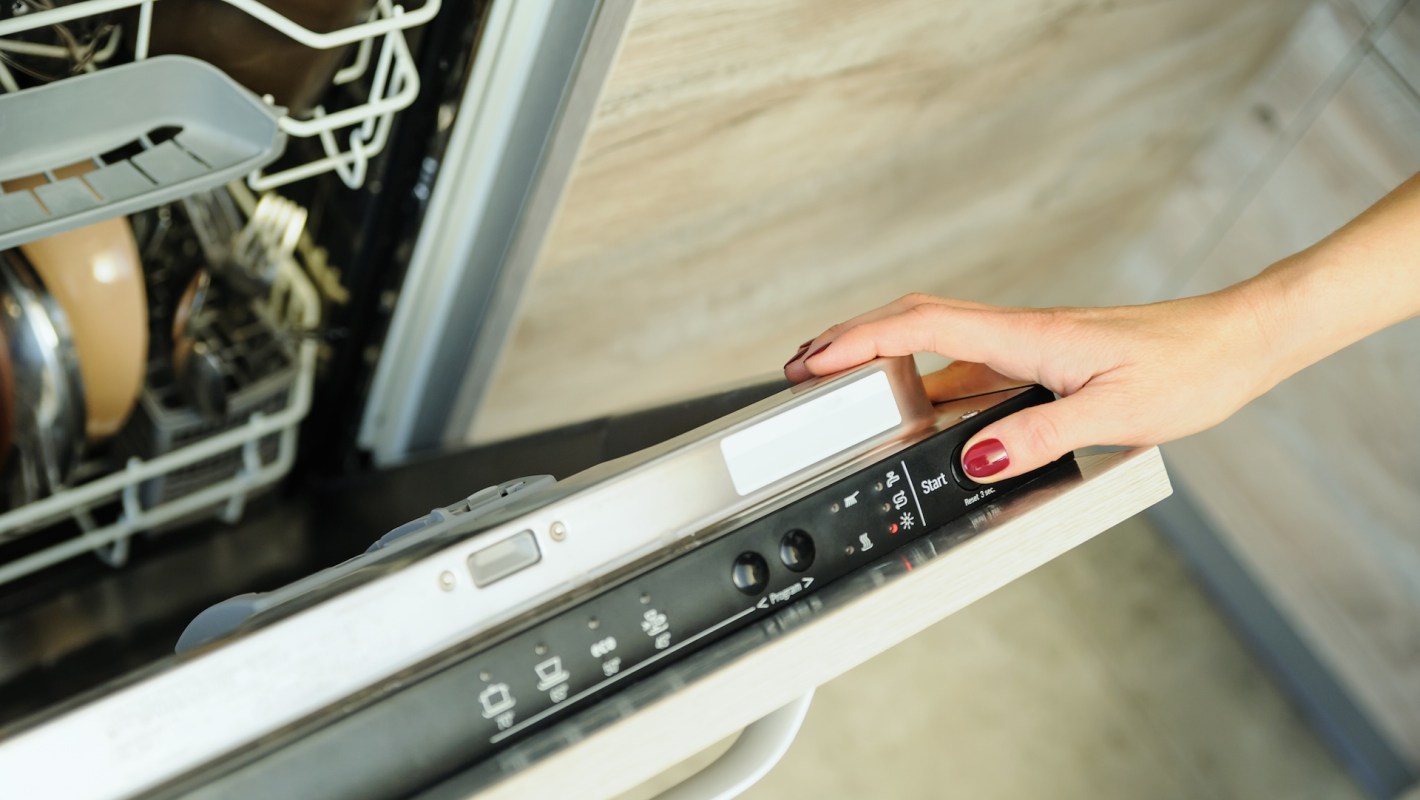
The program targets activities that can be rescheduled, including daytime EV charging, earlier laundry and dishwashing, pool pump operation, and shifting heating and cooling away from the costlier evening period.
For pilot households, CPA's generation charge falls to zero during the 8 a.m. to 4 p.m. window.
Home EV charging customers may have additional savings opportunities if they enroll in CPA's EV SmartCharge program alongside the pilot, which also includes bill protection and lets participants opt out.
With Palmetto's help, the average Southern California resident can save 40% on their electric bills, which can add up to thousands of dollars per year. That special offer also comes with $0 down, making it easier for households to start saving while daytime solar is even cheaper.
Delmas said the project could help answer questions utilities have been trying to solve for years.
"We will be able to measure whether the rate and the accompanying behavioral messages shift electricity use into midday hours, which framings work best and whether the effects persist over two years," she explained.
"Findings on those questions can inform how utilities and policymakers design the daytime rates that are coming as solar becomes an ever larger share of the grid."
Where can I learn more?
Similar efforts are underway elsewhere to lower household electricity costs. These stories look at local programs in California, Ohio, and Massachusetts that help residents save through rooftop or community solar.
• In California, a city is turning rooftop solar into relief for low-income homes.
• On Cape Cod, officials say energy burdens are reduced by more than 50% thanks to solar.
• In Ohio, lawmakers are weighing a plan for residents to lower utility bills through community energy.

Get TCD's free newsletters for easy tips, smart advice, and a chance to earn $5,000 toward home upgrades. To see more stories like this one, change your Google preferences here.






