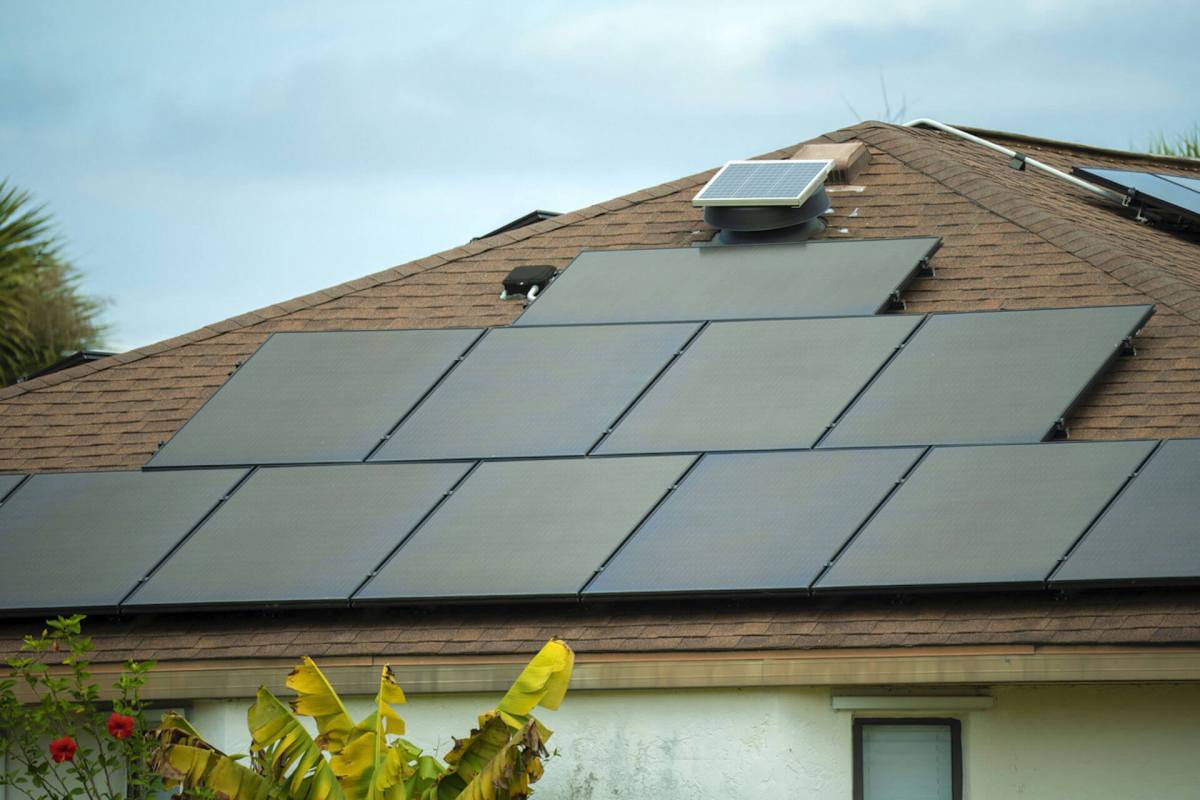
If you've contemplated installing solar panels at your home but hesitated because the finances felt overcomplicated and unclear, you're not alone.
Fortunately, there's a fairly simple formula you can use to crunch the numbers and decide if solar makes sense for you.
CNET recently explained how you can calculate your solar payback period, which is the length of time it will take for your solar system to pay for itself.
The outlet spoke with Jamie Haenggi, president of ADT Solar, who explained that the average payback period in the US is anywhere from six to 12 years. Nevertheless, she said, each system and household's needs mean a slightly different calculation.
Crushed by your bills? See instant solar savings from vetted installers in just a few clicks With energy prices through the roof, there's never been a better time to go solar — and EasyHome can help you find the best prices from the best installers in your area. EasyHome takes the guesswork and headaches out of energy upgrades by showing you estimated savings from a network of vetted local partners. To get started, just enter your ZIP and share a few details about your home — seeing your estimate is really that easy. |

"It seems like an easy answer, but it's more complicated," Haenggi said.
The basic formula is to first ascertain the net cost of your installation. Fortunately, this is generally lower than the initial estimation, since most Americans can currently access both federal and local tax incentives and rebates.
The free tools from EnergySage are a great place to start for quick solar installation estimates and information on incentives. In fact, using their tools can unlock nearly $10,000 in savings for the average homeowner.
Then, you'll divide that cost by the average annual savings you'll recoup from going solar. And the savings will be hefty from the start; on average, they'll likely be close to $1,500 per year, according to research from Solar Reviews. And once your system cost is recouped, your bills will be close to zero.
Other factors in calculating the payback period include the cost of electricity in your area, the availability of direct sunlight on your property, your household's usage pattern and energy efficiency, and how many rebates you're able to access in your state. (Pro tip: Try using the free mapping tool from EnergySage that breaks down costs, incentives, and more on a state-by-state level.)
Homeowners should also consider how long they plan to be in their current home, CNET explained. For example, if you plan to move within a few years, you may not reap all the benefits of lower energy costs, but you would likely enjoy a higher selling price.
And if you rent your home, Haenggi suggested paying into a community solar plan, where you can power your home with clean, low-cost energy sourced from remote panels. Another option is to lease solar panels, such as through Palmetto's LightReach solar panel leasing program, which installs panels for no money down.
|
If you were to install home solar panels, which of these factors would be your primary motivation? Click your choice to see results and speak your mind. |
 Energy independence ⚡

Join our free newsletter for good news and useful tips, and don't miss this cool list of easy ways to help yourself while helping the planet.
More From EnergySage
💡Go deep on the latest news and trends shaping the residential solar landscape