


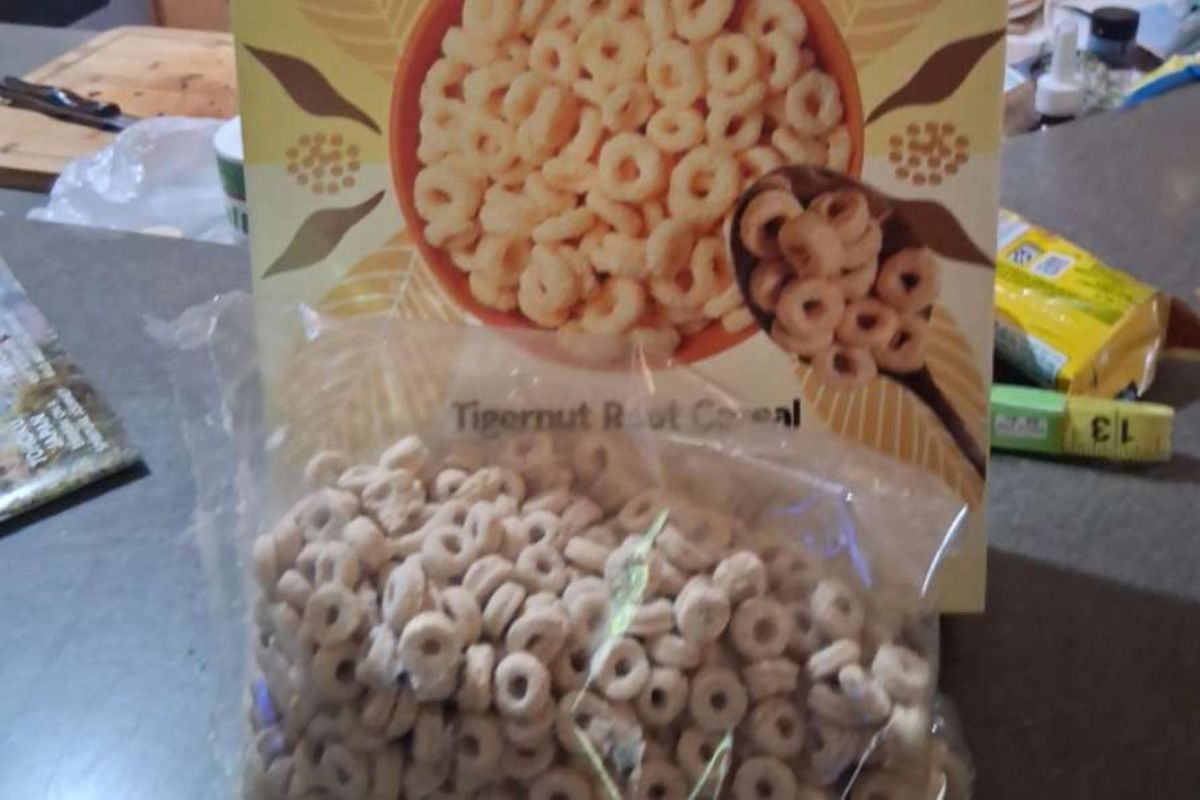
One shopper's photo of a nearly empty $5 cereal box has struck a nerve online, tapping into a relatable frustration when grocery shopping: paying more, getting less, and doing it all while trying to manage costly dietary restrictions.
What happened?
The conversation started on Reddit, where the original poster uploaded a photo of the cereal box and captioned it: "The joy of having dietary restrictions and wanting any sort of processed food haha. Wooo!!"
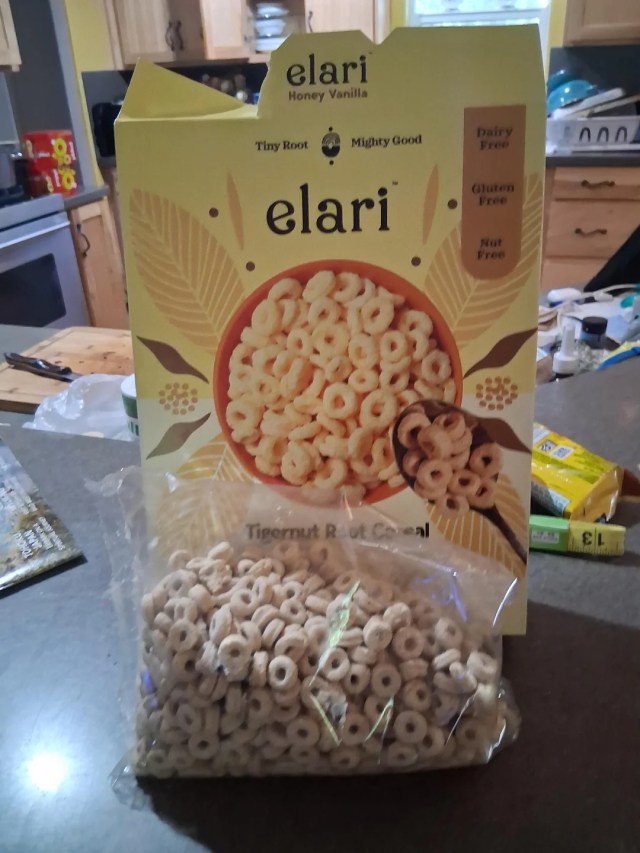
From there, the comments expanded into a broader discussion about shrinkflation and slack-fill, with people debating if large boxes can be misleading even when the printed weight is correct.
The thread quickly divided between people who felt the packaging looked deceptive and people who said shoppers should rely more on the net weight listed on the box.
One commenter summed up the issue for shoppers with food sensitivities: "I pay $10 for a pack of 3 gluten and dairy free icecream treats (they're like Drumsticks) and yet I keep going back because it's one of the 20 foods I can currently eat."
Why does it matter?
For shoppers already strained by high grocery prices, oversized packaging can feel like a double hit. Even if the weight listed on the label is technically correct, a bulky box with lots of empty space can leave consumers feeling as though they are paying for air, cardboard, and marketing more than food.
TCD Picks » Quince Spotlight
💡These best-sellers from Quince deliver affordable, sustainable luxury for all




That frustration can be especially intense for people with celiac disease, allergies, or other dietary restrictions, since cheaper substitutes often aren't an option. In that context, a small-serving specialty item is not just inconvenient — it can feel especially frustrating.
There is also an environmental concern. Larger-than-necessary packaging uses more material, takes up more room during shipping and on store shelves, and can create more waste once the food is gone.
The issue of excessive packaging isn't uncommon — one Amazon shopper received a tiny furniture cover in a box that was way bigger than the actual item, and the box was also packed with plastic air pillows.
What can I do?
Comparing unit prices and net weights remains one of the best ways to spot shrinkflation. It is not a perfect solution, and it does not excuse wasteful packaging, but it can help with side-by-side comparisons when box size is misleading.
Some commenters shared workarounds for specialty diets, especially meal prep and homemade alternatives when time and energy allow.
One commenter wrote: "I make my own processed foods using cheap raw ingredients for this reason. I can't digest anything unless it's been processed to hell. Takes prep time but my grocery bill is only $100/month, so..."
Others pointed to the need for bigger changes than individual budgeting strategies.
One Reddit user noted: "Italy gives a stipend of up to 140 euros to folks with celiac to help them buy specialized gluten-free foods."
Some commenters also pointed to stronger labeling rules, less wasteful package design, and better support for medically necessary diets.
"We should get a stipend," one user commented, while another added: "No for real. Where is the compensation for this madness."

Get TCD's free newsletters for easy tips, smart advice, and a chance to earn $5,000 toward home upgrades. To see more stories like this one, change your Google preferences here.






