
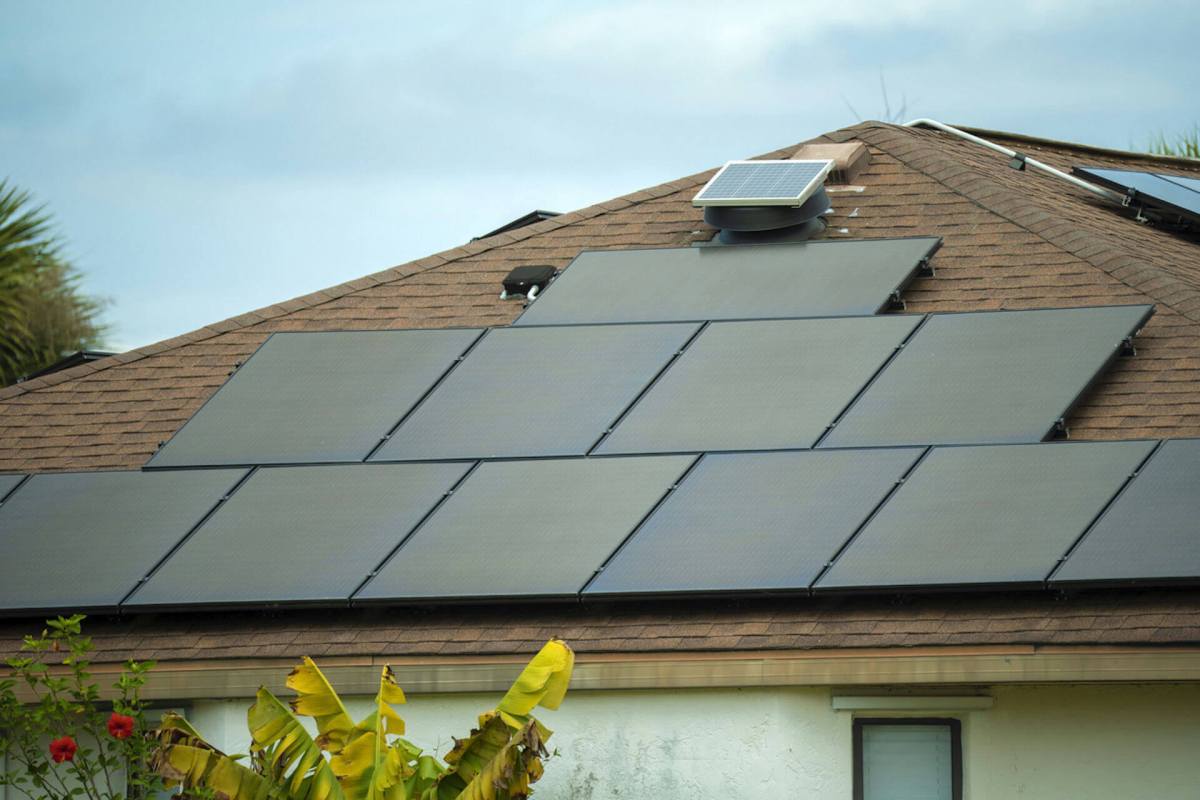
A new rooftop solar financing model called a prepaid lease is starting to gain traction in the United States, giving homeowners another way to go solar after the federal residential tax credit expired at the end of 2025.
According to PV Magazine, the approach allows solar companies to tap a commercial tax break that individual homeowners can no longer claim, helping some customers cut upfront costs by up to 30%.
The shift is happening because homeowners no longer have access to the Section 25D federal credit for residential solar systems. In response, installers are moving more toward third-party ownership models.
With a prepaid lease, the solar provider or a financing partner owns the system at first instead of the homeowner. That matters because the company can still use the Section 48 commercial Investment Tax Credit, equal to 30% of project cost, and pass that value along as an upfront discount, according to pv magazine.
Some programs can reduce costs even further. If a project also qualifies for a 10% domestic content bonus through U.S.-made equipment, the overall discount can rise to 40%, PV Magazine noted. Companies, including All Energy Solar and SolSource, have already launched offerings built around these tax credits.
Regardless of whether or not this type of financing option is available in your area, you can still see major bill savings by investing in home solar. If you're looking to learn more, the solar experts at EnergySage can help connect you with helpful free information, competitive quotes, and vetted partners in your area.
Ohm Analytics said, as cited by PV Magazine, that prepaid solar products could account for about 10% of the U.S. residential market by late fourth-quarter 2026, with third-party-owned products overall making up roughly 60% to 65% of the financing mix.
For homeowners, this model could help keep rooftop solar within reach at a time when a major consumer incentive has disappeared.
Save $10,000 on solar panels without even sharing your phone number Want to go solar but not sure who to trust? EnergySage has your back with free and transparent quotes from fully vetted providers that can help you save as much as $10k on installation. To get started, just answer a few questions about your home — no phone number required. Within a day or two, EnergySage will email you the best local options for your needs, and their expert advisers can help you compare quotes and pick a winner. |

Instead of waiting to claim a tax credit — and needing enough tax liability to actually use it — customers get the value of the remaining federal incentive built into the price from the start. That can make the math simpler and lower the barrier to entry for families looking to cut utility costs.
The structure also shifts some risk away from the homeowner in the early years, since the provider is generally responsible for repairs and maintenance during the initial service period.
More broadly, keeping rooftop solar affordable matters because it can help households rely less on electricity generated from dirty energy sources. More solar on homes can mean lower climate-warming pollution, more energy independence, and more demand for U.S.-made hardware when installers try to qualify for the domestic content bonus.
For homeowners interested in solar, connect with EnergySage experts to find the best system for your home and budget. Homeowners who use EnergySage tools to navigate local incentives and get competitive quotes can save up to $10,000 on the price of installing.
More From EnergySage
💡Go deep on the latest news and trends shaping the residential solar landscape



EnergySage also has a useful mapping tool that lets homeowners compare average home solar costs by state and see what incentives are available where they live. Taken together, it helps make it easier to understand pricing, spot potential savings, and take advantage of rebates or tax credits that might otherwise be missed.
Homeowners looking to save even more on energy bills, go off-grid entirely or just keep the lights on during a power outage often pair solar panels with a whole-home battery backup. To learn more about battery options and how they can reshape your energy bills, check out EnergySage's battery resources.

Get TCD's free newsletters for easy tips, smart advice, and a chance to earn $5,000 toward home upgrades. To see more stories like this one, change your Google preferences here.