


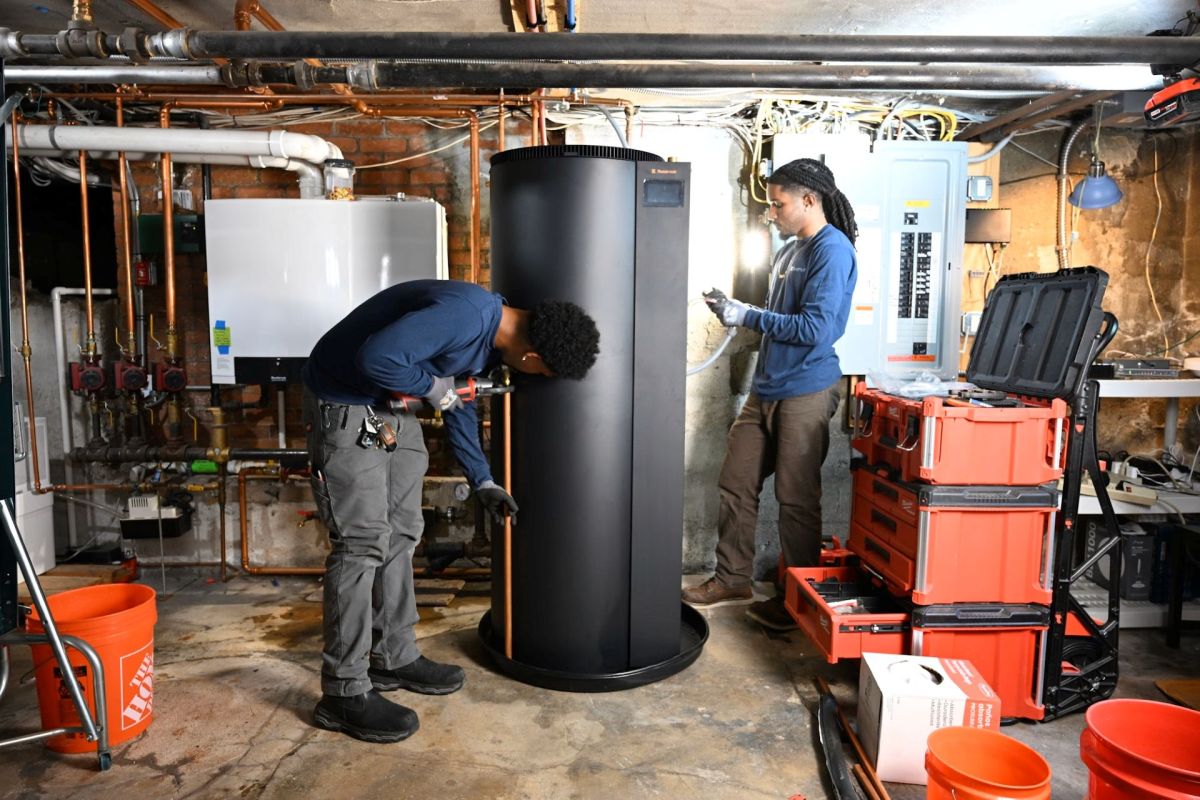
Reservoir, a Boston-area startup, is betting that water heaters, one of the most overlooked home appliances, can become tools for lowering household expenses while also easing pressure on the electric system.
After raising $8 million, the company is pushing a vision of water heaters as smart thermal batteries. The idea is that better-controlled tanks can cut utility costs, ease neighborhood strain during periods of high electricity demand, and add another area of growth within the cleaner economy.
Here's what to know
According to TechCrunch, Asymmetric Capital Partners led the $8 million seed round, and Founder Collective and MCJ also chipped in. The startup was co-founded by former Formlabs chief business officer Luke Winston-Almanzar, Gabriel Parisi-Amon, and Jake Felser.
Water heaters matter far more to household energy use than many people assume. TechCrunch reported that they make up about 18% of a home's total energy use and are among the main sources of residential water damage.
"The typical water heater is devoid of intelligence, it's using a god-awful amount of energy, and my air fryer is smarter than it," Winston-Almanzar said, per TechCrunch.
To change that, Reservoir says it learns a household's hot-water patterns over roughly a month and then moves heating to hours when electricity is inexpensive and demand on the grid is low. The company says its heat pump system is also much more efficient than standard gas or electric units, giving homeowners a way to save money without giving up dependable hot water.
TCD Picks » Quince Spotlight
💡These best-sellers from Quince deliver affordable, sustainable luxury for all




More background
Reservoir is still early in its rollout, with about 100 units installed. It wants to reach 1,000 by the end of 2027, when the benefits could extend outside single homes to large groups of connected water heaters that can act like distributed energy storage.
"That's when you start talking about a megawatt-scale in terms of capacity," Winston-Almanzar told TechCrunch.
These systems can hold energy as stored hot water. That flexibility could smooth neighborhood electricity demand and give Reservoir a path into utility demand-response programs, which pay customers or companies to reduce pressure on the grid when usage is high.
The units also include leak-detection alerts, and the Max model adds a recirculation valve for instant hot water plus a mixing valve to keep pipes from freezing during cold snaps. A 50-gallon Max tank can deliver as much as 150 gallons in "party mode."
Reservoir includes installation in the prices of its $5,000 Core and $6,500 Max models. The company says Massachusetts customers are eligible for a $1,050 rebate and that typical Boston-area homeowners could save up to $1,000 a year on energy.
What's being done?
Reservoir is doing more than manufacturing the units. It has launched its own plumbing operation to make installation and pricing easier to understand. That could help homeowners who replace water heaters after breakdowns and often pick whichever option can be installed immediately.
Companies in the cleaner economy that reduce wasted household energy can support local installation jobs as the shift toward electrification accelerates.
If the model proves successful, homeowners could end up with lower bills and better features while utilities gain a flexible grid resource.
"We don't think it's enough just to have great technology," Winston-Almanzar said. "We think it needs to be affordable."

Get TCD's free newsletters for easy tips, smart advice, and a chance to earn $5,000 toward home upgrades. To see more stories like this one, change your Google preferences here.







