


Electric vehicles are growing in popularity, and while their batteries can last for years and years, plans need to be put in place to deal with them once they're no longer working the way they need to for vehicles.
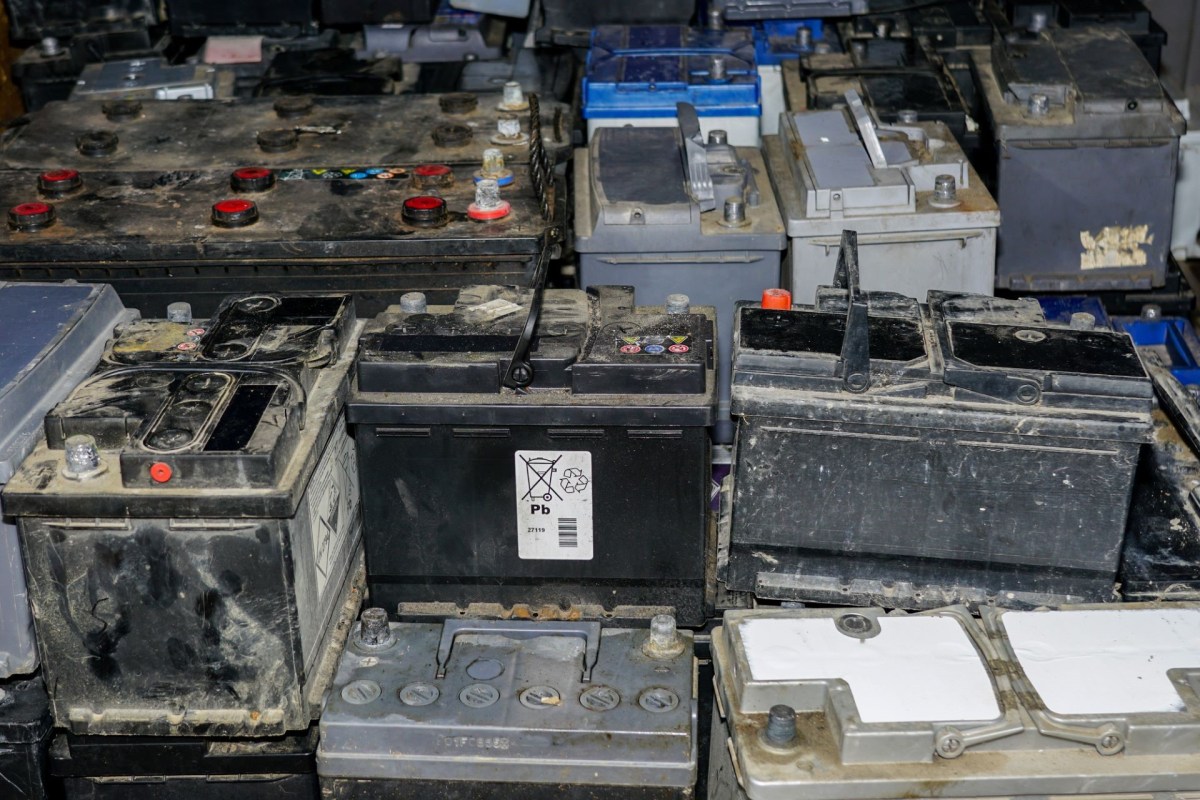
Enter South Korea, where Jeju Province has started a pilot program to repurpose EV batteries for agricultural machinery as well as energy storage systems, according to Korea Biz Wire.
The program will provide 100 devices, including farm equipment, transport robots, and streetlights, that will be powered by the repurposed batteries in eight rural villages referred to as "energy-poor."
Batteries must pass a certification check to ensure they still have at least 60% capacity. Jeju Province is also building a national battery resource center, pending a 13 billion won ($94 million) budget approval from parliament.
South Korea is working to raise its recycling rate for important minerals to 20% by 2030, an important goal as officials project an increase in retired EV batteries by the same year (from 8,300 to 107,000 units).
Repurposing and recycling EV batteries is important because the metals and minerals that go into them, like nickel, cobalt, lithium, and manganese, require invasive mining.
TCD Picks » Quince Spotlight
💡These best-sellers from Quince deliver affordable, sustainable luxury for all




These resources are also often located in regions that have ongoing human rights issues, like Indonesia and the Democratic Republic of the Congo, per the BBC. Recycling these materials means less mining could be required, cutting down on the negative human and environmental impacts.
For the average driver, improved recycling for EV batteries will help with long-term costs, making new batteries more affordable. It also prevents them from ending up in landfills, where they can release harmful pollutants into the water, air, and soil.
EVs are cleaner to drive in general. Even if charging a battery comes from a power plant where pollution is increased, the overall total pollution is still less than that of a traditional gas car, per the U.S. Environmental Protection Agency. Plus, they don't release tailpipe pollution either.
|
Do you worry about the longevity of EV batteries? Click your choice to see results and speak your mind. |
 For sure 💯
Join our free newsletter for good news and useful tips, and don't miss this cool list of easy ways to help yourself while helping the planet.






