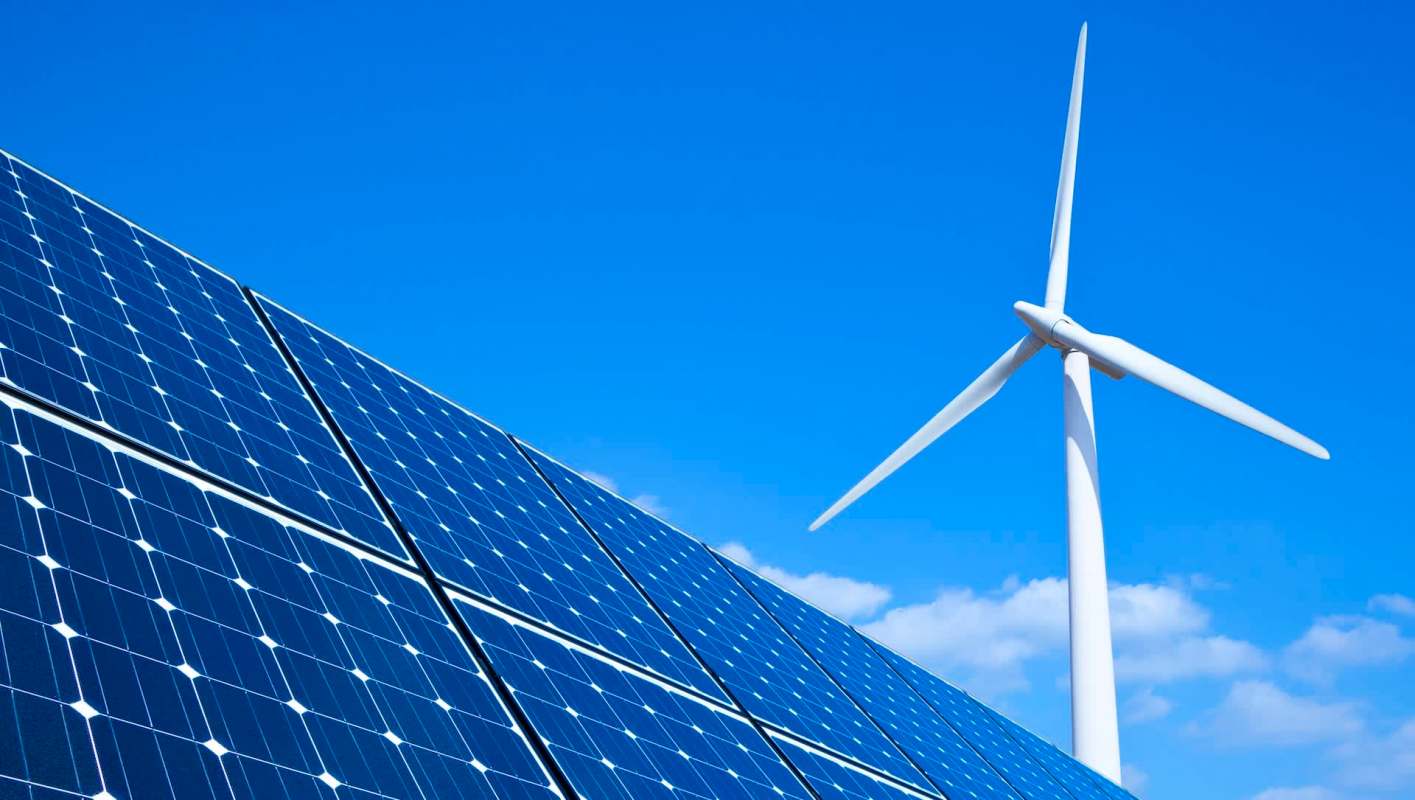
A single interconnected system delivers power from all sources, whether those sources are dirty fuels or renewables, reported Science Feedback.
U.S. Energy Secretary Chris Wright recently appeared on Fox Business and argued that wind and solar require "two grids," since weather determines their output. His resulting post about the matter was viewed nearly 600,000 times.
Wright correctly notes that wind and sun don't blow or shine continuously. Networks with heavy renewable penetration carry more generating equipment than systems dominated by coal and gas. Denmark provides an example: Between 2000 and 2024, its system went from 8.8 to 15.7 gigawatts while renewables expanded from 2.4 to 11.5 gigawatts.
But Wright ignores our available storage technologies. By late 2024, battery systems worldwide reached 110 gigawatts. Many utilities now choose batteries over gas peaker plants.
Hydroelectric storage works differently: excess power pushes water into holding areas and later releases it through generation equipment. These storage methods let grids bank energy when production runs high and tap it when demand climbs.
Price data undermines Wright's cost claims. Between 2008 and 2019, Danish customers saw no rate increases even though renewables went from supplying less than one-fifth of electricity to more than half. American states show no pattern connecting renewable adoption with higher bills. Wind-heavy states often charge less.
TCD Picks » EDF Spotlight
💡EDF's Vital Signs newsletter delivers stories about game-changing solutions close to home and around the world
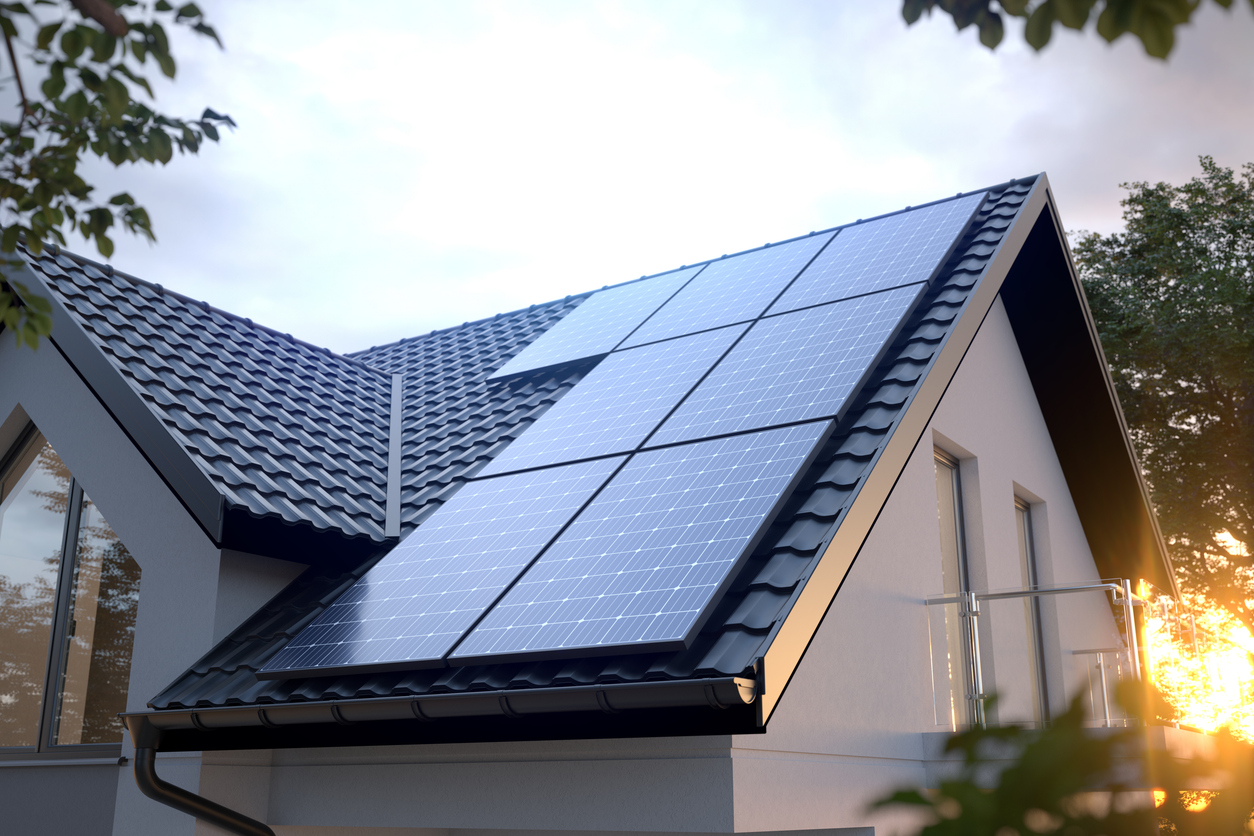
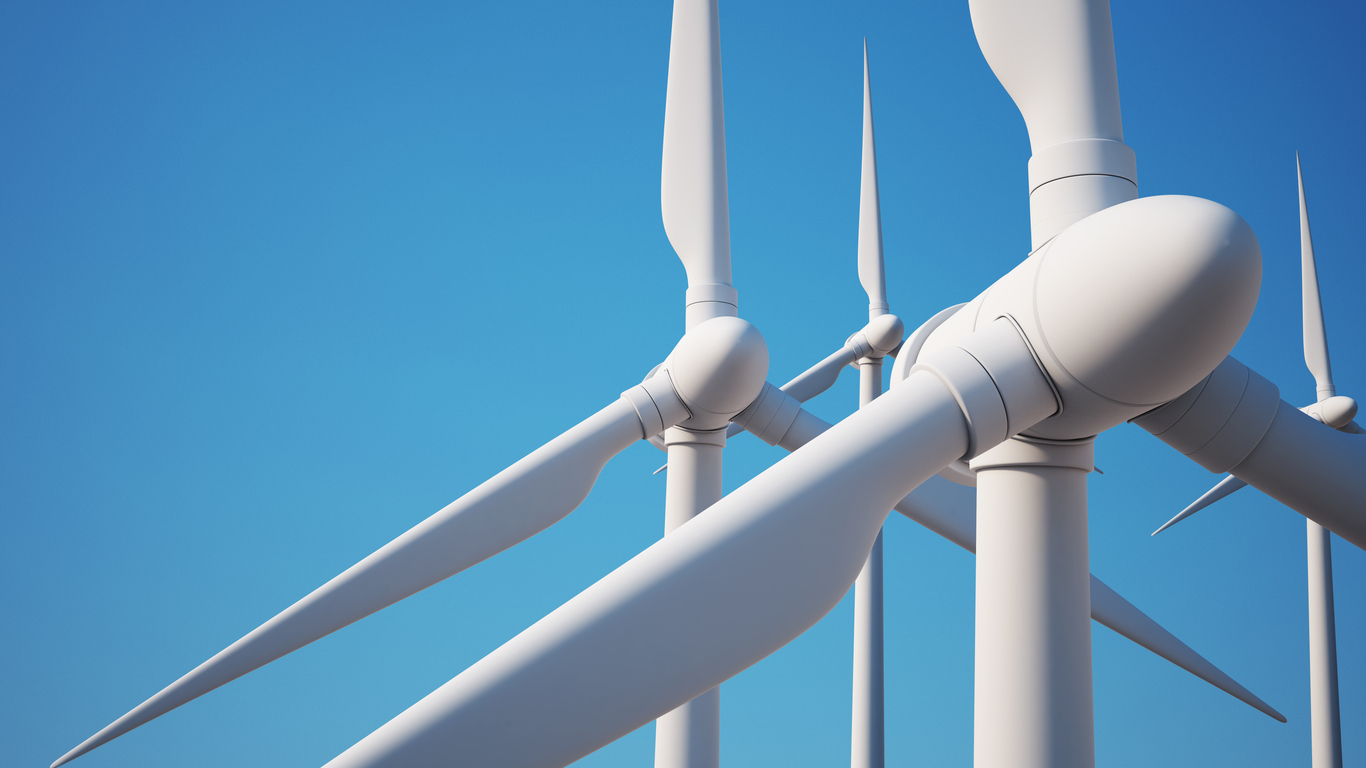

Construction and operating expenses for renewables now fall below those of dirty fuel alternatives globally. Over 15 years, renewable costs declined more sharply than coal or gas. This price advantage makes economic sense for utilities and customers alike.
All power networks modify output constantly because people use different amounts at different times. Gas plants have long adjusted their generation up and down hourly and seasonally, so renewable intermittency isn't creating a new problem.
Research supports the success of grids that don't use dirty fuels. One 2019 study found Europe could run entirely on batteries, hydropower, wind, and solar for less money than it spent in 2015, according to Science Feedback.
|
Are you able to install solar panels where you live? Click your choice to see results and speak your mind. |
 Yes 👍
Yes 👍 
💰Get TCD's free newsletters for easy tips to save more, waste less, and make smarter choices — and earn up to $5,000 toward clean upgrades in TCD's exclusive Rewards Club.