


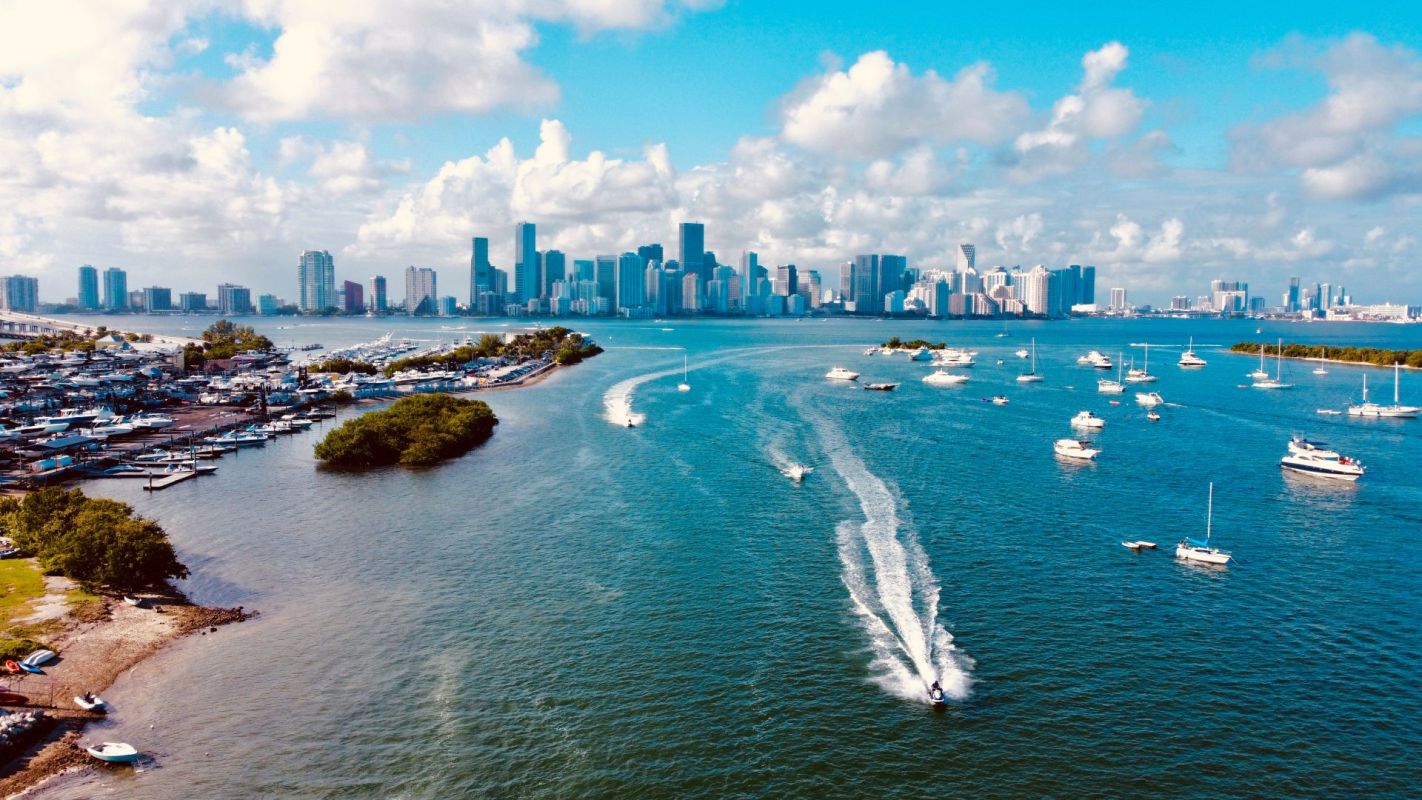
Across Florida's Biscayne Bay, a quiet problem is floating in the water — and getting worse slowly but surely.
Besides Miami's mansion-lined shores and gleaming superyachts, there are countless boats abandoned, left to deteriorate in place.
The situation is fueling renewed frustration over how extreme wealth alongside rising costs is reshaping public waterways.
What happened?
As reported by Bloomberg, Miami Beach police have now removed about 140 derelict vessels from Biscayne Bay since October, and many additional boats remain anchored or partly underwater throughout the bay.
Many of these broken-down boats are floating close to some of the area's most expensive waterfront homes.
Javier Fernandez, the leader of Miami Beach's police marine unit, told the outlet that many owners abandon them after realizing how costly boat ownership can be.
TCD Picks » Quince Spotlight
💡These best-sellers from Quince deliver affordable, sustainable luxury for all




He explained that "a lot of people buy a boat but don't realize how much it costs for fuel, maintenance, and marina fees. … This is where they end up."
Florida recorded about 1.2 million boat registrations in 2024, per the National Marine Manufacturers Association, which is more than any other state, but far too many are being abandoned.
Why does it matter?
When neglected boats drift loose or sink, they can threaten other mariners, release fuel into the water, and damage sensitive coastal habitat. In Biscayne Bay, where clean water supports marine life and nearby communities, that danger is significant.
With wealth pouring into Miami and the cost of living climbing sharply, similar pressure is now being felt in the water. Rising marina and maintenance costs are squeezing smaller boat owners while developers and marina operators increasingly focus on larger, more expensive vessels.
That shift can affect charter businesses, marine workers, and longtime residents when demand for luxury housing pushes out working waterfronts and reduces public access.
The cleanup bill has also become a public expense: Florida spent about $13 million removing abandoned vessels in 2024 alone, per Insurance Journal.

Get TCD's free newsletters for easy tips, smart advice, and a chance to earn $5,000 toward home upgrades. To see more stories like this one, change your Google preferences here.






