


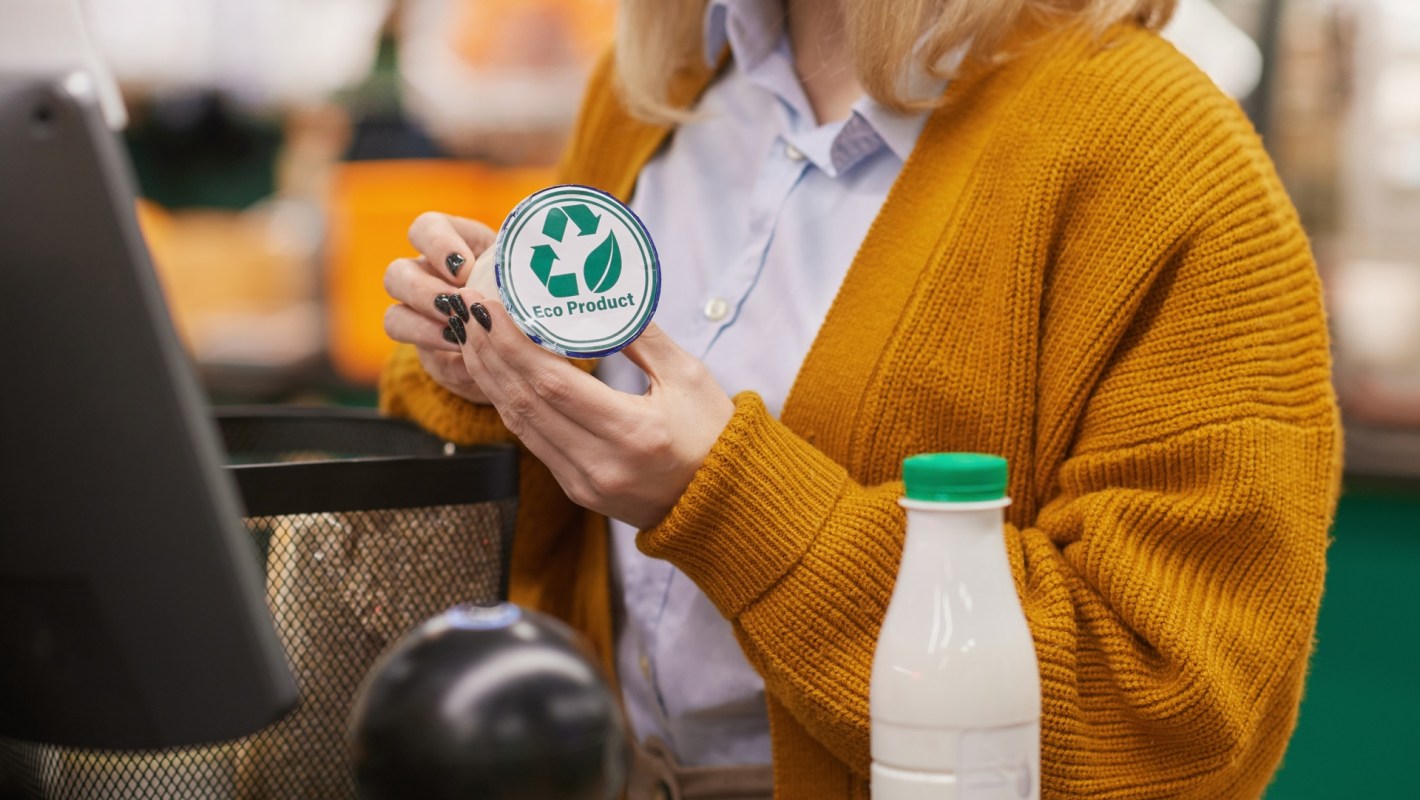
A new report is raising concerns about the rapid spread of the word "regenerative" on food and farm product labels.
What's happening?
In a report reviewing 10 prominent food labeling programs, advocates at Friends of Earth found "regenerative" labels vary widely. That's particularly true for pesticide and synthetic fertilizer limits, soil health practices, and integrity related to verification and traceability.
"While consumers might reasonably assume that 'regenerative' food is grown without toxic pesticides, that's not always the case," said Sarah Starman, senior campaigner at Friends of the Earth U.S.
"Some regenerative labeling programs allow the use of synthetic pesticides, including substances linked to cancer, hormone disruption, infertility, and neurological harm. Consumers may not always be getting what they believe they're paying for."
The study looked at the following labels: Certified Regenerative by A Greener World, Certified Regenerative by Regeneration International, Demeter Biodynamic, Rainforest Alliance Regenerative, Real Organic Project, Regenagri, Regenerative Organic Certified, Regenified, Soil & Climate Health Verified, and USDA Organic.
Its report asserted that the USDA Organic label, and labels like Regenerative Organic Certified and Real Organic Project that build on it, are the most reliable and enforceable standards when it comes to chemical use and soil health.
TCD Picks » Quince Spotlight
💡These best-sellers from Quince deliver affordable, sustainable luxury for all




Why is this important?
"Labels only matter if people can trust them. That trust depends on independent third-party verification to confirm that farmers are meeting the standard and strong traceability systems to ensure that the final product actually contains ingredients from those farms," said Charlotte Vallaeys, one of the co-authors of the report.
"Even the most rigorous standards have limited value without credible systems to verify compliance and track products from the farm to the final product consumers see on the shelf."
A regenerative label may sound like a guarantee of safer, more sustainable farming, but that is not always what it means in practice.
"Truly regenerative agriculture must phase out dependency on agrochemicals that undermine the very ecological functions on which resilience depends," the report declared.
More companies and government agencies around the globe are increasingly embracing regenerative branding.
AgFunderNews reported in 2024 that companies like General Mills, Unilever, and Walmart had pledged regenerative-agriculture efforts spanning millions of acres. But this is happening while the term doesn't have a universal definition.
Critics say that lack of a clear definition creates room for greenwashing. This is a tactic companies use to market products as environmentally responsible without strong standards to support the claim.
If a label still allows synthetic pesticides and fertilizers, consumers may end up paying premium prices for products that don't deliver their promised environmental or health protections.
Why do organic and regenerative labels matter?
A growing body of research suggests organic and regenerative-organic systems can outperform chemical-intensive farming in several important ways.
One study from 2025 found that regenerative organic agriculture, relative to chemical-intensive farming, raised soil organic content by 22%. It also raised soil total nitrogen by 28% and soil microbial biomass carbon by 133%.
Another 2024 study published reported lower environmental impacts for organic production in six of the eight categories reviewed, including energy use, biodiversity loss, and acidification.
Researchers are also continuing to publish evidence on the benefits of farming systems that reduce reliance on synthetic chemicals, improve soil fertility, and support biodiversity.
Over time, that growing body of research could help push policymakers and food companies toward clearer and stronger standards.
Consumers can help by taking a closer look at what a label actually requires before paying more for it. If a product uses terms like "regenerative" or "sustainable" without elaborating what they mean, that may be a red flag.

Get TCD's free newsletters for easy tips, smart advice, and a chance to earn $5,000 toward home upgrades. To see more stories like this one, change your Google preferences here.






