


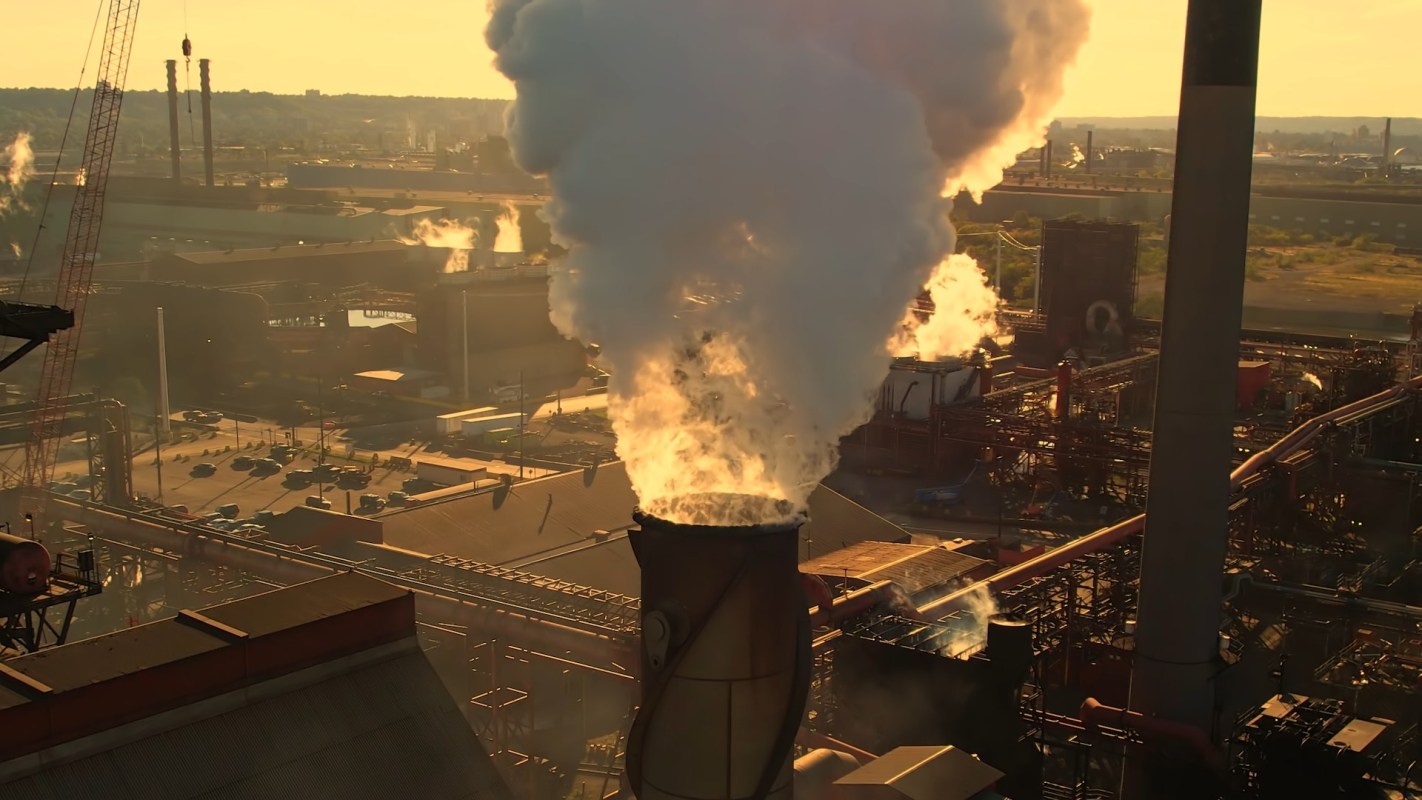
A mandate to install clean-air equipment worth $30 billion in India has been reversed after 10 years — a move that could put the health of residents at risk.
What's happening?
India's environment ministry exempted a whopping 79% of the coal-fired power plants in and around polluted cities from a 2015 mandate aimed at reducing sulfur pollution, according to Reuters. The mandate required hundreds of plants to install technology that would remove sulfur from exhaust gases in phases.
Now, a new mandate requires only 10% of the remaining power plants in cities with populations upward of one million to install the flue-gas desulfurization equipment by the end of 2027. The rules for other power plants will be determined on an individual basis.
Per Health Policy Watch, experts have condemned the mandate change. India's environment ministry responded to critics in a social media post that said it "remains steadfast in its commitment to evidence-driven environmental stewardship that protects both public health and long-term ecological and economic resilience."
Why is reducing sulfur pollution important?
Sulfur dioxide can be harmful to both human health and the environment. High concentrations of sulfur dioxide can cause the respiratory system to become inflamed and irritated, leading to coughing and breathing difficulties, per the National Park Service. The air pollutant can also hinder tree and plant growth.
The burning of dirty fuels by power plants is the primary source of sulfur dioxide in the atmosphere, according to the U.S. Environmental Protection Agency. Natural sources such as volcanoes contribute to pollution, too.
TCD Picks » Quince Spotlight
💡These best-sellers from Quince deliver affordable, sustainable luxury for all




India is the largest sulfur dioxide producer in the world. NASA scientists confirmed India surpassed China with pollution increasing by 50% since the early 2000s. Even more, one study found that air pollution in India is so bad that it could reduce the life expectancy of residents by nine years.
What's being done about reducing air pollution more broadly?
The EPA has national and regional rules in place to reduce sulfur dioxide pollution in the United States. Under the Clean Air Act, the agency works with various governments and other organizations to limit heat-trapping pollution from major sources.
Meanwhile, cities across the globe have teamed up to tackle Earth's air pollution. C40 Cities is a global network that includes mayors from nearly 100 cities. Last year, the network announced plans to reduce pollution from vehicles by creating clean air zones where residents are encouraged to use planet-friendly modes of transportation.
Walking, biking, and taking public transit are all eco-friendly ways consumers can lower their carbon output. Understanding critical climate issues and implementing changes at home can help push society toward a cleaner future.
|
Do you worry about air pollution in your town? Click your choice to see results and speak your mind. |
 All the time 💯
Join our free newsletter for good news and useful tips, and don't miss this cool list of easy ways to help yourself while helping the planet.






