


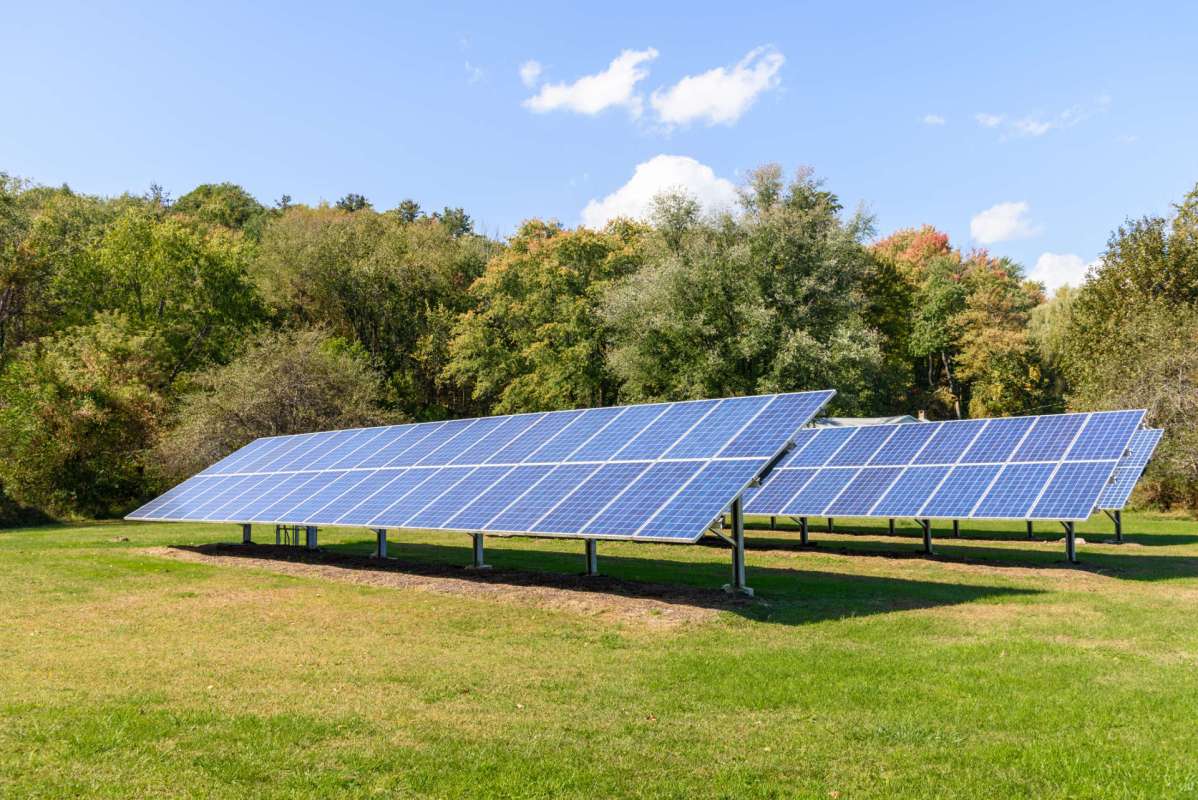
A jump in power use from AI and other digital systems is forcing developers to add generation quickly. In New York, PowerBank, an energy developer, is pursuing a community solar project that could provide cleaner electricity while helping local participants lower their power costs.
What happened?
Energies Media reported that PowerBank has signed a lease for a ground-mount solar development in Broome County, New York, estimated to cost around $8 million and carry a capacity of 3.2 megawatts of power.
Called Scofield, the proposed development is expected to operate as a community solar project. Its electricity would be sent to the local grid, while participating households would get monthly utility bill credits based on the share of power assigned to them.
Energies Media reported that the project could also qualify for NY-Sun incentives from the New York State Energy Research and Development Authority. PowerBank said it has already started the interconnection application process, which must be completed before construction can move ahead.
The company said that if interconnection approval is secured, Scofield would then move into permitting and financing. Energies Media also reported that PowerBank said the project should still qualify for federal Investment Tax Credits under the One Big Beautiful Bill Act of 2025 because work began before the July 4, 2026, deadline.
Why does it matter?
Community solar gives people another way to access clean energy when rooftop panels are not an option. Renters, apartment residents, and homeowners with shaded or otherwise unsuitable roofs can subscribe to a shared project instead of installing their own system, while still receiving utility bill credits that reduce monthly electricity costs.
TCD Picks » Quince Spotlight
💡These best-sellers from Quince deliver affordable, sustainable luxury for all




Demand for electricity is still increasing, and AI data centers along with other digital infrastructure are adding pressure to power systems. Expanding local solar capacity can help utilities and communities diversify their electricity supply as those needs continue to grow.
When solar displaces fossil-fuel generation, communities can benefit from lower levels of planet-warming pollution and cleaner air. That can support an electricity system that is both healthier and more affordable for families.
In New York, projects like Scofield also fit into broader state and national efforts to update the grid with domestic energy sources that are intended to be more resilient.
What's being done?
PowerBank says the Scofield project still needs interconnection approval, permitting, and financing before it can be built.
For many households, community solar remains one of the most accessible entry points into clean energy because no equipment has to be installed on their property. Instead, people subscribe to a portion of a nearby project and receive savings through utility bill credits.
More community solar can give utilities and local governments another option for responding to rising electricity demand while extending clean-energy benefits to a larger group of residents. It also gives developers a relatively fast way to bring new generation online as power needs keep increasing.
As AI-related electricity use continues to accelerate, projects such as Scofield could help support the grid while also lowering household energy costs. If it clears the approval process, the Broome County development could add cleaner electricity to serve everyday demand.

Get TCD's free newsletters for easy tips, smart advice, and a chance to earn $5,000 toward home upgrades. To see more stories like this one, change your Google preferences here.






