


More than 8,300 Portland General Electric customers in the Portland area were without electricity Wednesday afternoon, KATU reported, just as western Oregon temperatures climbed toward 100 degrees. The timing made the outages especially risky for people depending on air conditioning or fans to stay cool.
With the region under intense heat, the outages added another layer of stress for households, businesses, and anyone relying on air conditioning or fans to get through the day.
What happened?
By roughly 4 p.m. Wednesday, KATU reported, Portland General Electric was reporting 55 outages affecting more than 8,300 customers. At that time, the utility said the cause had not yet been determined.
Among the places hit were areas near Highway 217 around Greenburg Road and Hall Boulevard, including Washington Square Mall. More than 1,000 customers in Portland's Goose Hollow neighborhood were also without service.
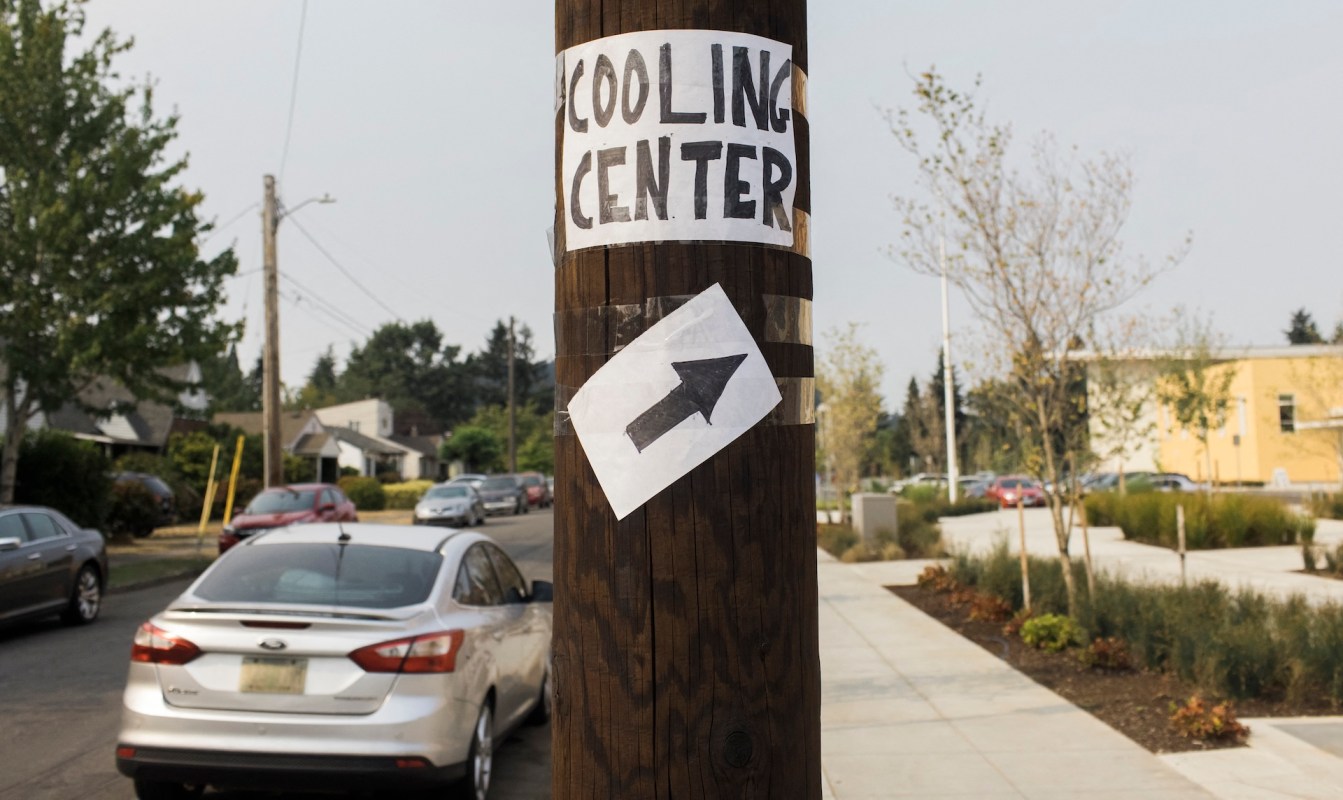
Residents looking for relief were dealing with these outages as western Oregon neared triple-digit heat. Multnomah County declared a heat emergency, opened a daytime cooling center, and additional cooling shelter information was available through 211 INFO.
The number of outages and affected customers could continue to change as the situation develops.
TCD Picks » Quince Spotlight
💡These best-sellers from Quince deliver affordable, sustainable luxury for all




Why does it matter?
Power outages during extreme heat can cut off air conditioning, refrigeration, medical equipment support, and the ability to remain indoors safely — especially for older adults, young children, and people with chronic health conditions.
Worsening extreme weather disasters endanger lives and livelihoods by putting pressure on the infrastructure communities rely on every day. High heat can intensify public health risks, threaten community safety, and disrupt economic stability when businesses close, workers lose hours, food spoils, and families are forced to find shelter elsewhere.
Even a brief outage during a heat wave can quickly become costly and dangerous. Traffic signals can be affected, stores can shut down, and renters or homeowners may have few options if indoor temperatures climb too high.
The event reflects how climate-driven heat is colliding with aging electrical systems in communities across the country, raising concerns about grid resilience as hotter days become more common.
What's being done?
Immediate steps during outages include checking utility outage maps, conserving phone battery, keeping refrigerators and freezers closed as much as possible, drinking water, and going to a verified cooling center, library, mall, or community space if a home becomes unsafe.
People who rely on powered medical devices should have a backup plan whenever possible and contact local emergency services or support networks if an outage creates a health risk. Checking on neighbors — especially seniors and people living alone — can also make a major difference during dangerous heat.
Power outages during heat waves add pressure for stronger grids, cooler buildings, and public heat safety planning as extreme temperatures become more common.

Get TCD's free newsletters for easy tips, smart advice, and a chance to earn $5,000 toward home upgrades. To see more stories like this one, change your Google preferences here.






