


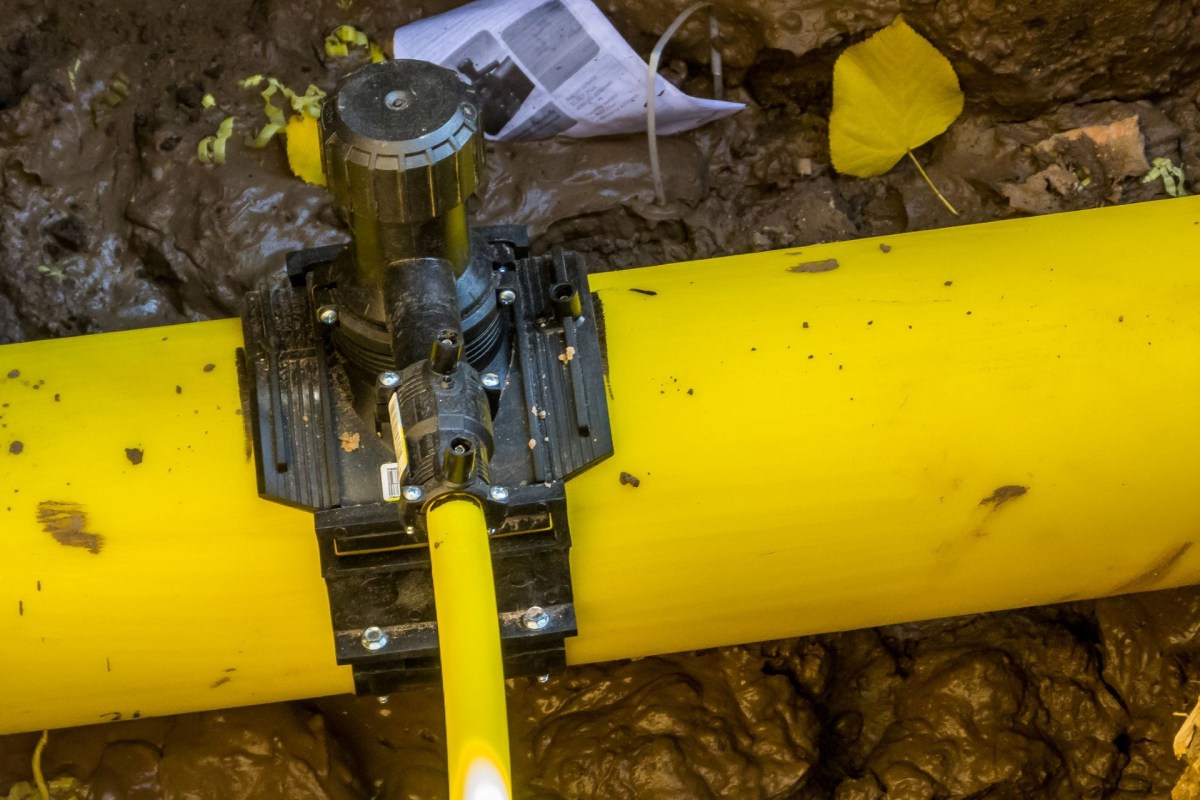
In March, a leak from a Poly-1 natural gas pipe triggered an explosion in a Lake Dallas neighborhood and severely injured a woman, even though Texas regulators had ordered that type of line removed decades earlier.
Records reviewed by CBS News cast doubt on whether the state ever confirmed that utilities fully replaced the dangerous Poly-1 pipe.
Here's what to know
A deadly Garland house explosion on Jan. 28, 2000, intensified the push to remove Poly-1 pipe.
Albert Holbert, Lillian Holbert, and Callie Hickerson were killed in that blast, which investigators tied to the early-generation plastic gas pipe after a documented pattern of cracking and leaking.
After the explosion, regulators ordered a utility to find and remove the Poly-1 still in its system.
But records reviewed by CBS News indicate the utility missed deadlines, was assessed a penalty, and still had not finished the job nearly three years later.
TCD Picks » Quince Spotlight
💡These best-sellers from Quince deliver affordable, sustainable luxury for all




When the gas system changed hands in 2004, the new owner claimed it believed the pipe had already been removed.
Still, a 2009 commission record mentions ongoing "Poly 1 pipe replacement," suggesting more sections of the material were being found and replaced years afterward.
More background
Those older records have taken on new importance after the Lake Dallas explosion in March.
They raise a basic oversight question: how a pipe that regulators ordered removed decades earlier remained in service beneath a residential neighborhood.
Virginia Palacios, executive director of Commission Shift, a nonprofit watchdog group focused on the Railroad Commission, spoke to the outlet about the discrepancy.
"We just don't have a rigorous system at the Railroad Commission for keeping track of what operators are actually doing," she admitted.
What's being done?
After the Garland explosion, the commission acted against a utility when the company missed its first deadline to remove Poly-1.
Regulators assessed a penalty, set new deadlines, and required progress updates intended to move the work toward completion.
The agency has not said how it ultimately confirmed the company carried out those orders. Its only response came in an email from an agency spokesperson, who responded when asked how the commission verified the pipe had been removed.
"Because this is part of an ongoing investigation, we are unable to comment at this time," they said.
Separately, commissioners approved a new public participation policy.
Members of the public previously could speak directly to commissioners during monthly meetings. Under the new policy, those public comment opportunities will instead become listening sessions with agency staff.
The new policy also permits remote participation, but it does not require the three elected commissioners to attend.
Commissioner Wayne Christian, who proposed the change, said it would increase opportunities for public input.
The chairman of the Texas House committee that oversees the Railroad Commission called on Christian to testify about the policy change. When Christian did not appear, Rep. Drew Darby, R-San Angelo, threatened to abolish the agency.
Palacios said the regulators' silence matched how the agency operates.
"It's a very closed agency. It's not transparent."
Where can I learn more?
Other gas infrastructure failures and oversight fights offer a broader view of the issues raised by the Texas Poly-1 case. These stories cover another North Texas explosion, methane leaks, and utility spending on gas lines.
• In North Texas, decades-old plastic gas pipes remained in service despite replacement orders.
• Government estimates missed the harmful impact of gas pipelines as methane leaks eluded full accounting.
• In Massachusetts, utilities poured $100 million into new gas lines after local fossil-free votes.

Get TCD's free newsletters for easy tips, smart advice, and a chance to earn $5,000 toward home upgrades. To see more stories like this one, change your Google preferences here.






