


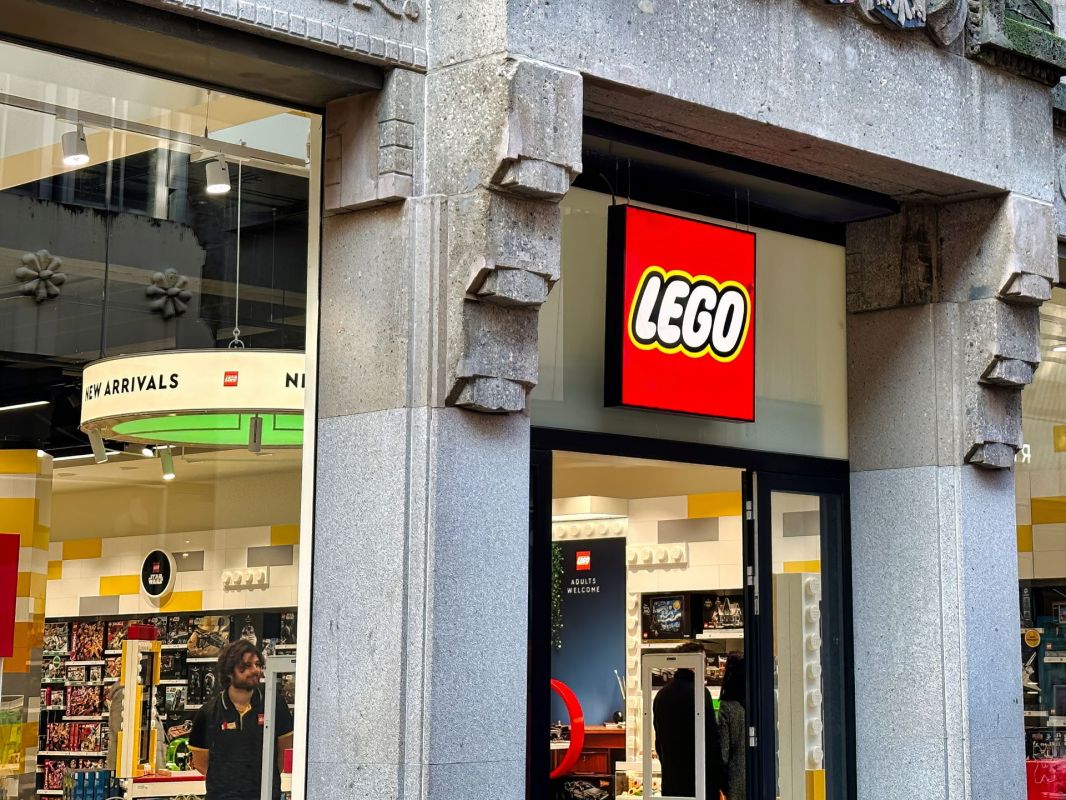
Lego has been one of the most popular children's toys for generations. Unfortunately, the Danish company's plan to make bricks from recycled plastic water bottles has hit a roadblock and has been scrapped.
What happened?
According to The Guardian — which confirmed the initial report by the Financial Times — Lego ditched the plan after it discovered that switching to plastic water bottles as a material source would increase the amount of harmful carbon pollution released over time.
"[The] level of disruption to the manufacturing environment was such that we needed to change everything in our factories," Tim Brooks, Lego's head of sustainability, told The Guardian. "After all that, the carbon footprint would have been higher. It was disappointing."
In 2015, Lego invested roughly $150 million into a sustainable-materials center, with the goal of ditching oil-based plastic as its building material of choice by 2030, according to Adele Peters of Fast Company.
Why is this concerning?
The process of obtaining and refining oil releases harmful carbon pollution into our atmosphere, meaning that oil in Lego's toys accounts for approximately three-quarters of the company's carbon pollution.
The company makes 60 billion bricks each year, as Fast Company reported.
Pollution due to plastic water bottles is also a major concern, and Lego's innovative approach sparked hope we'd have another tool to make a dent in that problem.
In 2021 alone, roughly 600 billion plastic water bottles and containers were produced, according to CNN. The bottles may take hundreds of years to break down and can release harmful chemicals into our environment.
What's being done about it?
While Lego's plan to repurpose the plastic water bottles wasn't the environment-friendly solution it hoped for, there's still light at the end of the tunnel.
The company is considering other ways to include more recycled material into its bricks, and it intends to increase its spending on sustainability initiatives to three billion Danish kroner (about $423 million) by 2025, according to the Guardian.
TCD Picks » Quince Spotlight
💡These best-sellers from Quince deliver affordable, sustainable luxury for all




Lego is also committed to reducing harmful pollution emissions by 37% by 2032 and plans to use solar power, a type of clean energy, to fuel several new factories, according to the New York Post.
More good news is that we can be empowered while waiting for Lego's solution to its dilemma.
Utilizing reusable water bottles, straws, and grocery bags are just a few simple, everyday choices that can decrease the amount of plastic making its way into our environment.

Join our free newsletter for cool news and actionable info that makes it easy to help yourself while helping the planet.
Cool Picks






