


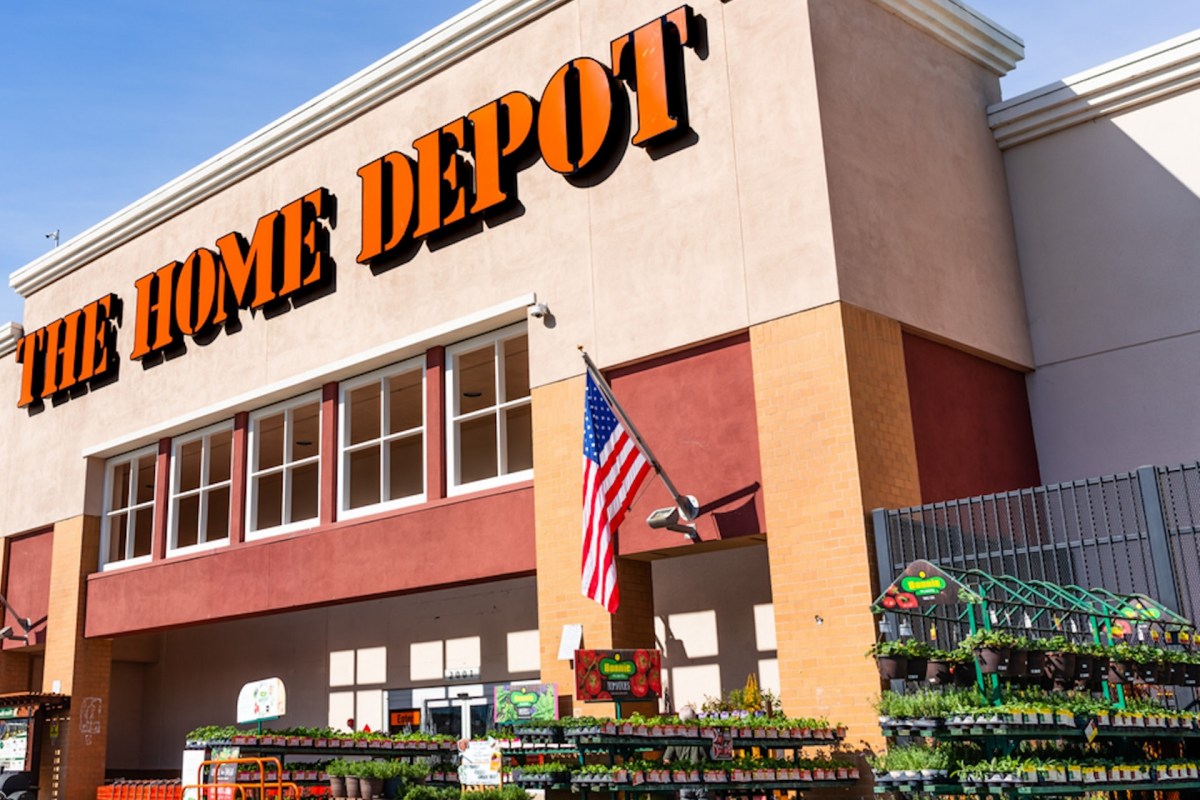
One frustrated employee shared a photo of carts full of healthy-looking plants headed for the dumpster at their Home Depot, prompting an informative discussion about waste in the plant industry.
What happened?
In the r/HomeDepot subreddit, the worker shared a glimpse into the company's storeroom, where seven carts filled to the brim with various potted plants sat waiting to be thrown out. It's hard to determine their condition from the photo, but none appear wilted or damaged.

"What a waste of plants," the employee wrote in the post. "Does every home depot do this? Throw away plants that could be donated or sold by half it's original price? Maybe I'm expecting too much from this company."
While it's a disheartening scene, several commenters offered some perspective on how retail nurseries operate, revealing that plant waste is a more complex issue than it appears.
"Has nothing to do with the company, because the plants don't belong to us. We sell them on consignment," one commenter said.
Another Reddit user provided more clarity on the subject, writing: "I have been a plant vendor for a long time for HD. I get so sick and tired of hearing associates say, 'that's such a shame, I can't believe you're throwing all of that away' or 'can't you donate those?'"
"No, we can't donate them, we don't want to lose our jobs because we don't own the product. We also clearance them if we have time so it's not like we don't mark them down. Most of us plant vendors love plants and hate to cull them, but this the corporate way."
Why is plant waste concerning?
Since plants decompose, whether in a compost bin or a landfill, it may not seem like a big deal for a store to toss them. However, each plant requires resources to grow and transport, such as land, water, labor, and energy. When they're thrown out, resources go to waste, the store must raise prices to cover the losses, and shoppers have to pay more for products.
Plus, when plants break down in landfills, they release a powerful gas called methane — one of the major polluting gases responsible for our changing climate. Some plant pots are made from plastic, which also contributes to planet-warming pollution as it decomposes and leaches toxic chemicals into soil and waterways.
|
Should grocery stores donate food that's past its sell-by date?
Click your choice to see results and speak your mind. |
 Yes — as long as it's not bad 🤢
 One dumpster full of decaying plants won't cause the climate to spiral out of control, but when you multiply that by thousands of stores generating waste every day, it can have a big impact.
TCD Picks » Quince Spotlight
💡These best-sellers from Quince deliver affordable, sustainable luxury for all




Is Home Depot doing anything about this?
On its website, Home Depot outlines robust sustainability goals, including reducing plastic packaging waste. It has already removed harmful materials like expanded polystyrene foam and polyvinyl chloride film from its private-brand packaging. The company aims to replace 200 million pounds of plastic with more eco-friendly materials by 2028.
Regarding organic waste disposal practices, it doesn't appear the company has any mandatory policies in place.
But for over 10 years, more than 20 of its stores in Washington state have partnered with environmental solutions company Cedar Grove to turn discarded flowers, soil, and other organic products into compost. Home Depot then sells the compost, keeping millions of pounds of organic waste from rotting in landfills.
"It is cool that our waste comes back to life as a product we sell that customers love to buy," Jason Kirk, a store manager in Lander, Washington, said, according to the company's site.
What's being done about plant waste more broadly?
More retailers and small nurseries nationwide are participating in composting programs, making our planet a little greener.
We can help at home by composting food scraps and dead plants, which keeps them out of landfills and saves money on lawn care if you use them for fertilizer.
If you're interested in growing plants at home sans plastic pots, there are plenty of gardening hacks you can check out that use cardboard and other nontoxic materials to help your plants thrive.

Join our free newsletter for good news and useful tips, and don't miss this cool list of easy ways to help yourself while helping the planet.
Cool Picks




