


Just as the Pittsburgh region moves into a hotter part of the summer, many households are being hit with pricier electricity, meaning cooling their homes may cost more than it did a few weeks ago.
That combination could make upcoming utility bills especially painful for families already trying to stretch every dollar.
What's happening?
Beginning June 1, default electricity supply rates went up for customers across the Pittsburgh area, according to USA Today.
The size of the increase depends on the utility. Duquesne Light customers in the city saw their "price to compare" rise about 2.8%, while many West Penn Power customers in suburban communities saw an increase of roughly 10%.
For West Penn customers, the utility's "price to compare" is now 12.08 cents per kilowatt-hour, up from 10.95 cents per kilowatt-hour, meaning a household using 750 kilowatt-hours in a month would pay about $11.28 more.
According to West Penn Power, the higher rate reflects broader electricity-market pressures, including more expensive wholesale power and stronger demand from large users such as manufacturers and data centers across PJM's 13-state grid.
TCD Picks » Quince Spotlight
💡These best-sellers from Quince deliver affordable, sustainable luxury for all




Why does it matter?
Household electricity use often climbs in summer because air conditioning runs more frequently. With rates now higher, even a relatively small bump in usage can quickly lead to a noticeably larger bill.
That is especially true in the suburbs served by West Penn Power, where the increase is steeper. A household that lowers the thermostat during a heat wave, runs multiple fans, and does more laundry or indoor cooking could easily use more power than the 750-kilowatt-hour example cited by the utility.
What can I do?
Consumer advocates said there are several straightforward ways households can try to limit the impact of higher rates.
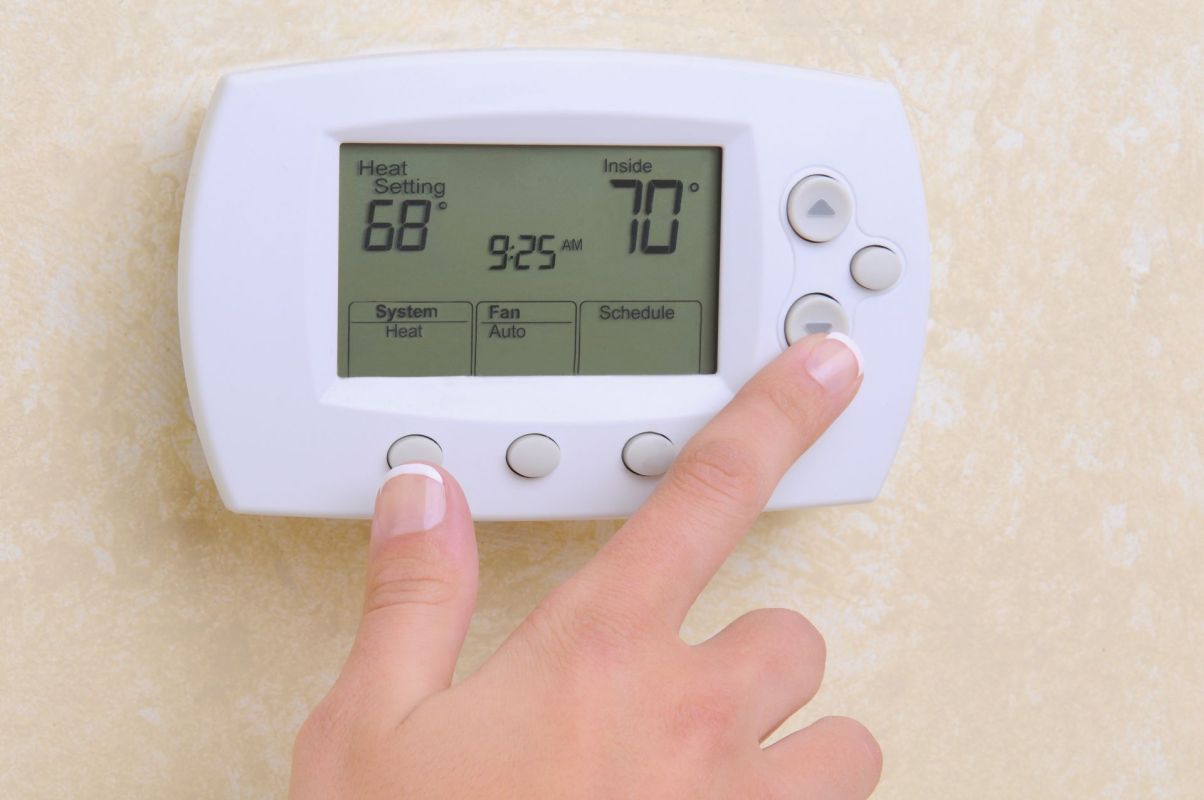
Reducing how often the AC has to run is one place to start: raising the thermostat by a couple of degrees and leaning more on fans can help. Closing blinds during the hottest part of the day can also keep rooms cooler by cutting indoor heat gain.
Another practical move is to keep cooled air from leaking out by sealing drafty windows and doors. It can also help to unplug electronics and chargers that continue to draw electricity even when they are turned off, since those small "phantom" loads can add up over the course of a month.
Customers can also compare competitive suppliers if that option is available in their area, though the fine print may determine whether a different plan actually lowers costs rather than simply delaying them.

Get TCD's free newsletters for easy tips, smart advice, and a chance to earn $5,000 toward home upgrades. To see more stories like this one, change your Google preferences here.






