


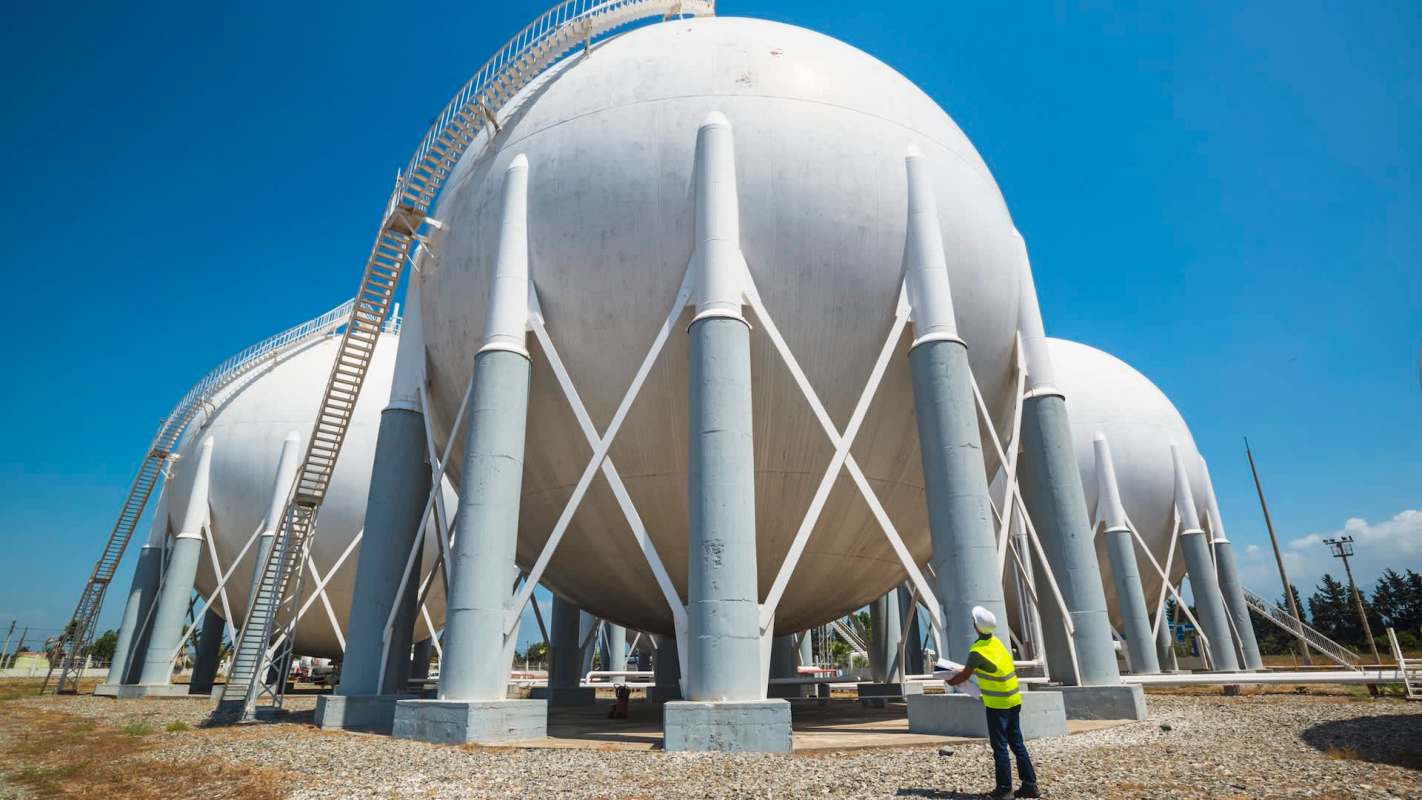
Southwestern Pennsylvania is at the center of a wave of new generation proposals that, if realized, would quickly expand the state's electricity supply.
That pipeline includes 10 natural gas plants and several battery storage sites that total 22 gigawatts of capacity, an enormous buildout for a single region.
Here's what to know
Near Pittsburgh, developers have queued up gas-fired generation to add over 20 gigawatts to PJM Interconnection, the regional grid spanning 13 Mid-Atlantic states, The Morning Call reported. Planned battery projects in the area would add additional backup capacity.
Per the Electric Power Outlook from the Pennsylvania Public Utility Commission, the state has about 45 gigawatts installed across power plants, wind turbines, and solar panels, while statewide peak demand is roughly 30 gigawatts. The proposed battery projects alone would roughly equal the capacity of three nuclear reactors.
Projected electricity use from data centers is a major reason for the development push. "If you go back just two to three years ago, a large data center was 10 megawatts," Mike Kramer, vice president of data economy strategy at Constellation, told The Morning Call, noting data centers under 200 megawatts are now unusual and that some require a gigawatt of capacity.
That demand growth is making some gas projects look viable despite financing doubts. "The data center era has introduced a gold rush for natural gas," Jon Gordon, senior policy director of Advanced Energy United, said, per the outlet.
TCD Picks » Quince Spotlight
💡These best-sellers from Quince deliver affordable, sustainable luxury for all




More background
The pipeline of proposals does not mean all of the projects will get built. Monitoring Analytics, the market monitor for PJM Interconnection, found that 50% to 90% of facilities that sought grid connections were withdrawn. PJM has also adopted new rules to make it harder for speculative proposals to crowd the queue.
The land market is shifting, too. Dan Adamski, executive managing director at real estate firm JLL, said large industrial sites are no longer judged by acreage. They also need a credible "power story," including access to nearby substations and natural gas pipelines, The Morning Call noted.
Pennsylvania's power-sector air pollution in 2023 was about half of what it was in 2005, according to the state's latest carbon inventory, after plant closures drove declines. Homer City Generation has state approval to release 17.6 million tons of carbon dioxide annually, more than a quarter of Pennsylvania's 2023 electric power pollution.
Burning fuel sources such as coal, oil, and gas has long been tied to serious harms for people and communities. It fuels the extreme weather disasters that damage homes, livelihoods, and local economies, and it drives the air and water pollution linked to asthma, heart disease, cancer, and premature death, all while keeping energy costs high for households even as industry profits climb.
What's being done?
Large battery storage projects are also planned in Allegheny, Beaver, Cambria, Fayette, and Washington counties, including at former coal and power plants. Those facilities could shift electricity to the times when the grid needs it most.
PJM's revised interconnection process tightens the standards for entering the queue to move more credible projects forward and reduce congestion from proposals that never get off the ground.
Meanwhile, companies are seeking contracts from hyperscalers and other large electricity users before spending billions of dollars on new plants. The Morning Call cited an Enverus estimate that a 1-gigawatt gas plant may cost as much as $2.5 billion to build.
"It would be great for this area if it would come to fruition," Jerrod Murtha, executive director of the Fay-Penn Economic Development Council, said.
Where can I learn more?
These stories dig into the grid strain, fuel choices, and infrastructure debates behind power buildouts.
• In Pennsylvania, regulators want utilities to address electricity vanishing on the grid as demand rises.
• Across the U.S., power producers are making a concerning shift in operations as gas regains momentum.
• In Massachusetts, utilities poured $100M into gas lines even after 10 communities went fossil fuel-free.
• Nationally, solar and wind have produced more electricity than coal.

Get TCD's free newsletters for easy tips, smart advice, and a chance to earn $5,000 toward home upgrades. To see more stories like this one, change your Google preferences here.






