


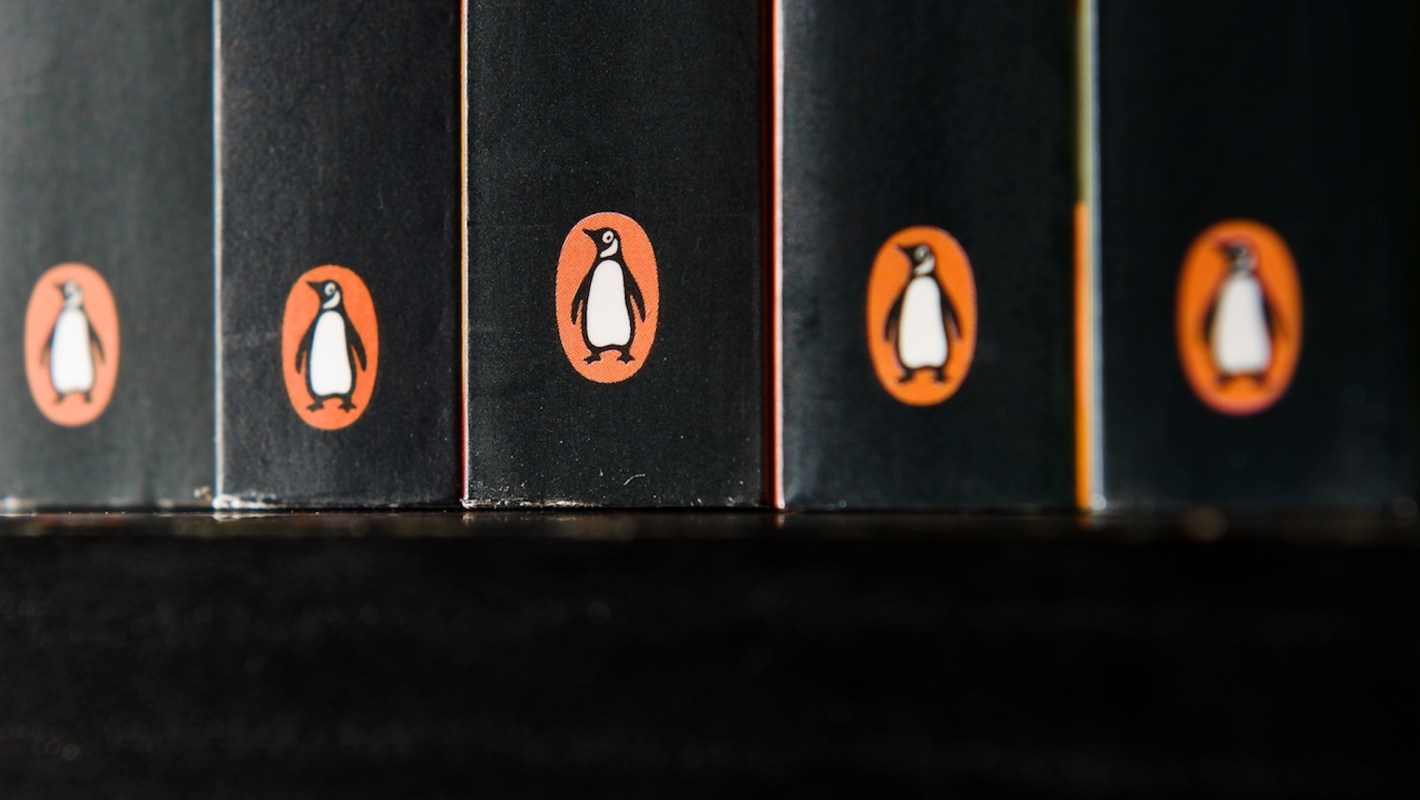
Penguin Random House is suing OpenAI, claiming that the AI chatbot created an unauthorized copy of a children's book series.
What's happening?
According to The Guardian, the publisher is alleging that the AI research company's chatbot violated its copyright over Ingo Siegner's Coconut the Little Dragon series by mimicking and reproducing the content of the popular German books. The lawsuit was filed in Germany on Friday against OpenAI's Ireland-based European subsidiary.
The legal team of Penguin Random House prompted ChatGPT to produce a story similar to Siegner's Coconut the Little Dragon series. The publishing group claims the chatbot generated text and images that were "virtually indistinguishable from the original."
Why is this lawsuit important?
This lawsuit raises significant questions regarding copyright in the realm of AI. While accusations of copyright infringement are not new, the landscape is complicated by the rapid advancements in technology.
Penguin Random House argues that OpenAI unlawfully retained elements of Siegner's work through what is known as "memorization," where AI models reproduce extensive portions of their training data.
Historically, AI companies have defended themselves by stating that their models aggregate information from various sources in a transformative manner.
Overall, this legal action could have significant implications for how copyright laws apply to AI-generated content and may help clarify the boundaries of creative ownership in this evolving context.
What's being done about AI copyright infringements?
In a landmark European ruling back in November, a Munich court ruled OpenAI's ChatGPT violated Germany's copyright laws by using songs from top-selling German musicians to train its language models.
In the same month, Getty Images faced a disappointing court ruling when it tried to sue Stability AI for training its image generators with copyrighted stock images.
Legal uncertainty about different countries' copyright laws and how they apply to AI technology persists, especially regarding whether training new generative AI models is permissible.
TCD Picks » Quince Spotlight
💡These best-sellers from Quince deliver affordable, sustainable luxury for all




|
Which of these savings plans for rooftop solar panels would be most appealing for you?
Click your choice to see results and earn rewards to spend on home upgrades. |
 Save $1,000 this year 💸
 Several artists are calling for greater protections against, and punishments for, AI copyright infringements.
One individual took to X to praise Penguin and call for other publishers to protect their workers.
"This happens a lot. Authors and illustrators can't afford to sue these big tech companies on their own," they wrote.
An OpenAI spokesperson indicated the company is assessing the allegations and emphasized its respect for content creators, per The Guardian. Penguin Random House has not made further public comments regarding the lawsuit.

Get TCD's free newsletters for easy tips to save more, waste less, and make smarter choices — and earn up to $5,000 toward clean upgrades in TCD's exclusive Rewards Club.
Cool Picks




