


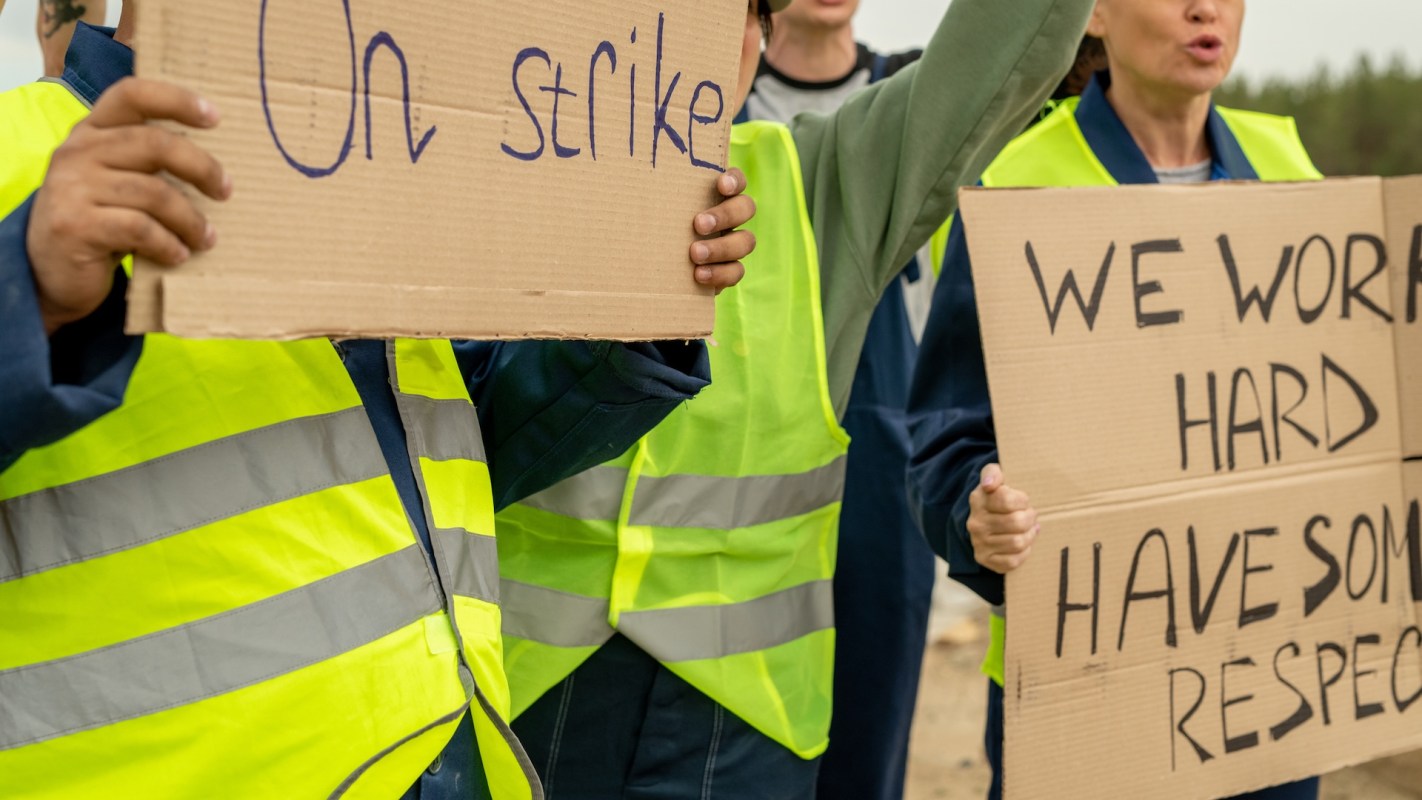
A tentative deal has ended PECO's first strike in 145 years, closing out a tense three-day walkout by the Philadelphia-region utility's unionized workforce. The labor dispute overlapped with dangerous heat and weekend storms.
For customers in the Philadelphia region, the tentative deal could mean greater stability from the local workers who keep power and gas service running when extreme weather hits.
What happened?
A tentative agreement between PECO and the International Brotherhood of Electrical Workers Local 614 brought an end to a three-day strike by about 1,600 employees, including linemen, gas technicians, and call center workers.
It was the utility's first walkout in its 145-year history, according to WHYY. One of the union's biggest disputes centered on retirement security for newer workers, and under the proposed five-year contract, those recent hires would gain pensions and retirement health benefits. The deal would also raise pay: linemen and gas technicians would receive 4% annual increases for four years and 4.5% in the fifth year, while call center employees would get 3% each year.
The strike started Saturday during triple-digit heat, and weekend storms left 57,000 customers without power. Later, PECO's outage tracker showed that roughly 1,000 outages remained, workers were expected to return on Wednesday, and union members still needed to vote on ratification.
Why does it matter?
The labor dispute matters beyond the bargaining unit because PECO supplies electricity to 1.7 million customers in Philadelphia and the nearby suburbs and provides natural gas to about 550,000 suburban customers.
TCD Picks » Quince Spotlight
💡These best-sellers from Quince deliver affordable, sustainable luxury for all




During extreme heat or severe weather, outages can quickly become more than an inconvenience when people rely on electricity for air conditioning, refrigeration, medical devices, or remote work. The union also tied its demands to the company's financial picture, saying PECO's profits rose 50% last year after the 2025 rate increase.
PECO's parent company is Exelon, and its president and CEO, Calvin Butler, made $24.6 million in 2025. Those numbers reinforced the union's case for stronger wages and benefits in work that can be physically demanding and dangerous.
What's being done?
For now, the main step is the tentative contract, which is meant to address both pay and worker retention. By restoring pensions and retirement health benefits for recent hires, the agreement could help PECO keep experienced employees.
That matters because trained local crews are often the first to respond when storms knock out service or gas issues arise. A more secure workforce can mean quicker repairs, stronger institutional knowledge, and less reliance on outside help during emergencies.
The agreement should keep PECO from depending only on out-of-state contractors during the peak of storm season. Which could improve response capacity when the region faces back-to-back heat waves, heavy rain, or damaging winds.
If members ratify the deal, the region will head into the heart of storm season with PECO's regular workforce back on the job.

Get TCD's free newsletters for easy tips, smart advice, and a chance to earn $5,000 toward home upgrades. To see more stories like this one, change your Google preferences here.






