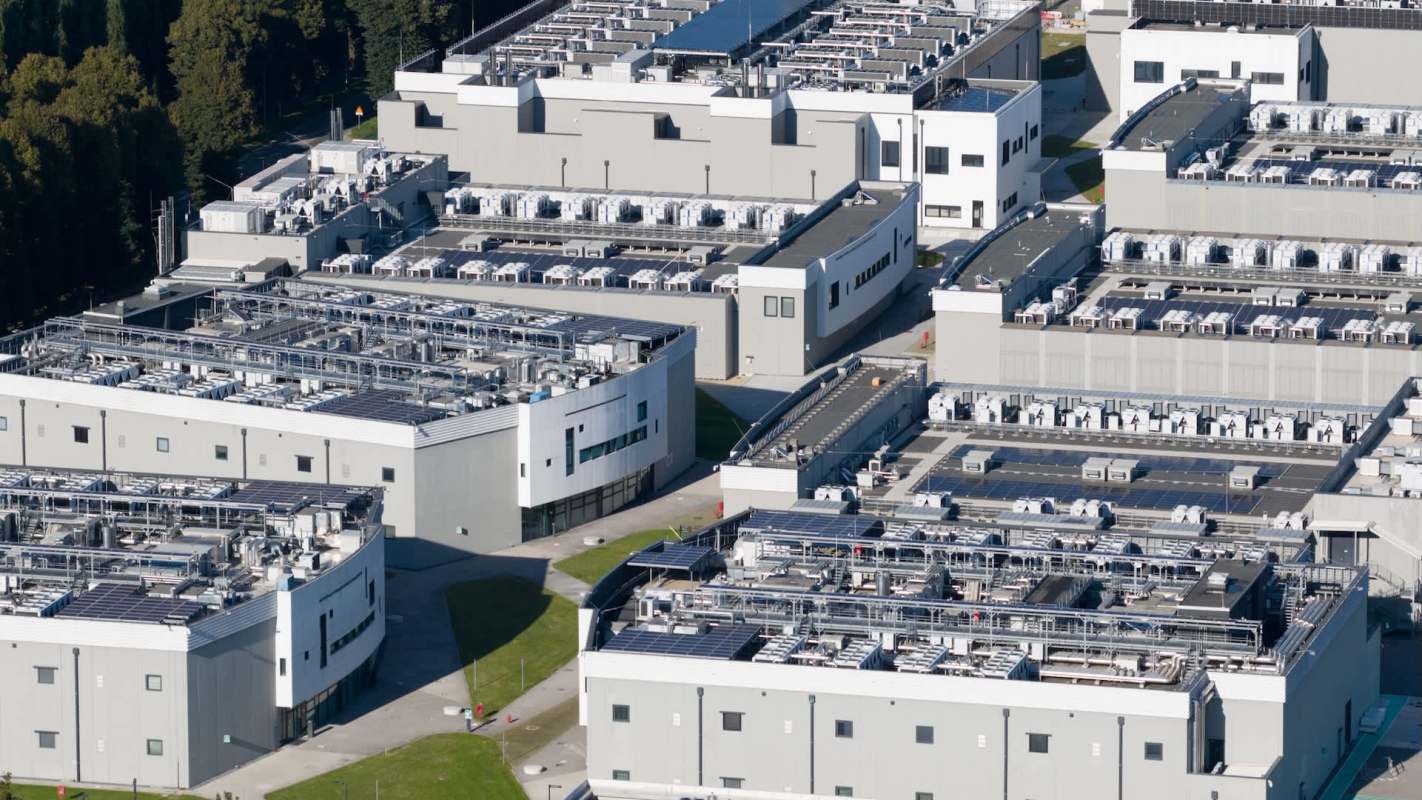
Oregon is shifting more of the cost of powering massive data centers, cryptocurrency operations, and other heavy electricity users away from households, and that change is starting to show up on monthly utility bills.
Starting July 8, Portland General Electric's biggest power customers began facing a nearly 30% rate hike, while typical residential customers were expected to see a slight decrease.
What happened?
Electricity users with the greatest demands on Portland General Electric's system will see a steep increase after a unanimous vote by the Oregon Public Utility Commission on Tuesday, July 7, OPB reported. Regulators approved a 29.7% hike.
The new rate applies to customers whose power use exceeds 20 megawatts, including data centers, cryptocurrency companies, and some large industrial operations.
PGE is the first utility in Oregon to make significant use of the state's 2025 POWER Act. That law established a separate rate category for exceptionally large electricity users and requires them to cover a greater share of the costs associated with their demand.
For PGE's 963,000 customers, the impact will go the other direction for households: a typical residential bill is expected to drop by 1.3%, or about $1.91 per month.
TCD Picks » Quince Spotlight
💡These best-sellers from Quince deliver affordable, sustainable luxury for all




Commission Chair Letha Tawney said in a statement, "These changes ensure that costs created by data centers in PGE's territory are more accurately reflected in their rates."
Why does it matter?
Data centers consume enormous amounts of electricity, especially as demand for cloud computing and AI tools continues to grow. When utilities are required to serve those massive loads, the cost of building, maintaining, and expanding the grid can rise as well, and those expenses might otherwise be passed along to households and small businesses.
States are beginning to rethink who should pay for the surge in energy demand. In Oregon, regulators and elected officials are signaling that everyday customers should not be left subsidizing highly profitable, power-hungry facilities.
As electricity demand climbs, utilities may need additional power generation and grid upgrades, complicating efforts to keep energy affordable while also advancing cleaner energy goals if those costs are not carefully managed.
What's being done?
Rather than treating these facilities as standard customers, the POWER Act established a distinct pricing framework for users with exceptionally high electricity needs.
Oregon Gov. Tina Kotek praised the commission's vote, calling it a win for residents and saying the law was intended to bring "fairness and accountability."
The approved changes go beyond the rate increase alone. They also revise service terms for large users, add a charge to back energy assistance programs, and alter the rules for connecting new large customers to PGE's system.
The rollout was slightly delayed after commission staff requested more time to review PGE's proposal. PGE and regulators then spent about a month making "technical clarifications" before the plan received final approval.
Kotek added, "We must continue to do whatever we can to keep working families and small businesses from absorbing the costs of data center energy use."

Get TCD's free newsletters for easy tips, smart advice, and a chance to earn $5,000 toward home upgrades. To see more stories like this one, change your Google preferences here.