


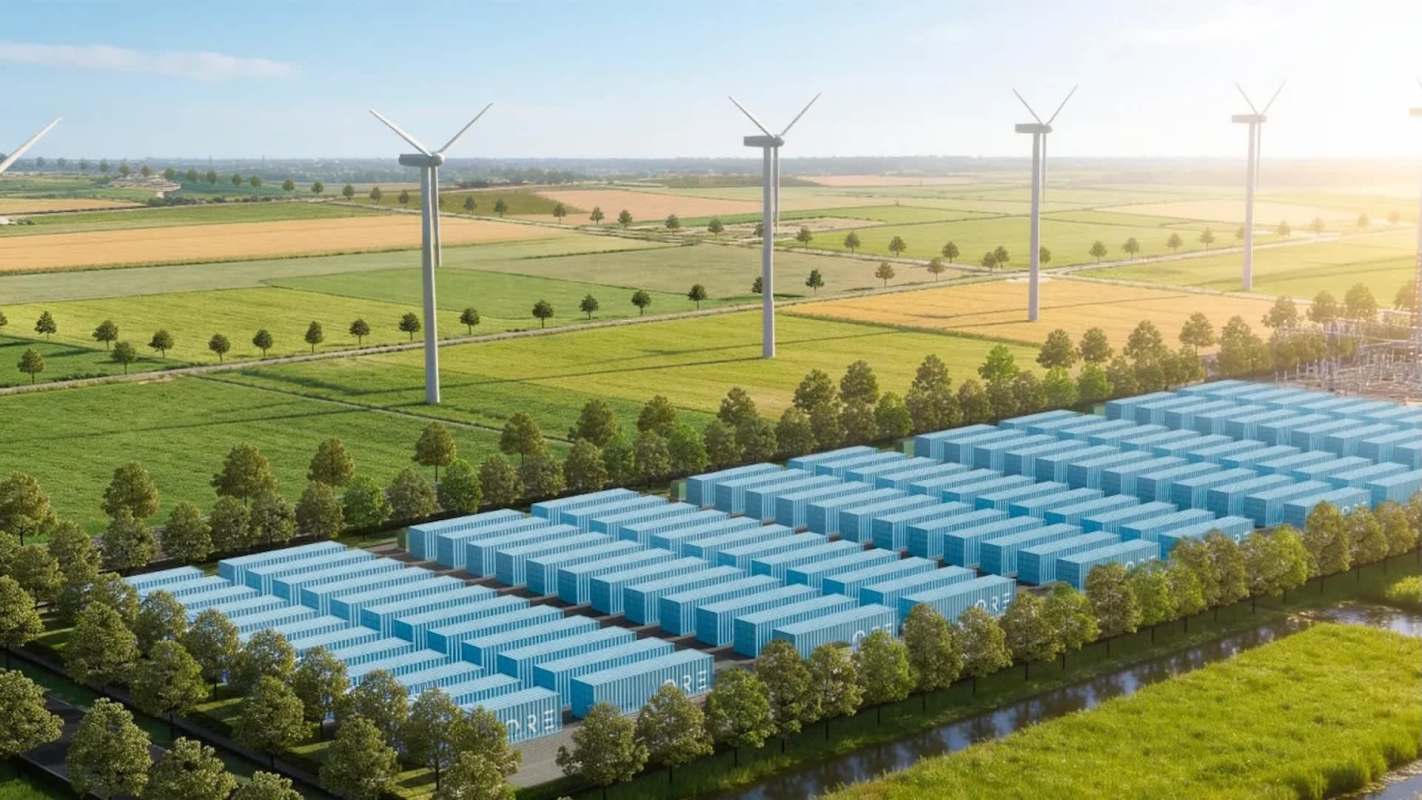
Dutch startup Ore Energy has struck a battery agreement intended to help cover periods when wind generation drops and sunlight is scarce, Electrek detailed.
As Europe adds more renewable energy, Ore Energy's deal with supplier Budget Thuis points to rising interest in storage options beyond conventional lithium-ion systems.
What happened?
Netherlands-based Ore Energy signed the largest iron-air battery agreement yet announced in continental Europe, it declared in a press release.
The arrangement covers 1 gigawatt-hour of storage for Dutch supplier Budget Thuis. Ore Energy is targeting a first 400-megawatt-hour phase for delivery in 2028.
It is also the first iron-air storage agreement in Europe involving an energy supplier.
Ore Energy said its batteries are built for the kind of multi-day dips that can strain the grid. Its systems can store electricity for 24 to 100 hours, compared with the few hours typically associated with lithium-ion batteries.
TCD Picks » Quince Spotlight
💡These best-sellers from Quince deliver affordable, sustainable luxury for all




"European grids are already curtailing clean power at scale, wasting electricity that costs billions to generate, while we stay dependent on fossil fuels to cover the gaps," Ore Energy CEO Aytaç Yilmaz said in the release.
The systems run on iron, water, and air. Ore Energy said they're packaged in modular 40-foot containers that can be connected together as a project grows.
Budget Thuis plans to use the storage strategically.
"Multi-day storage gives us a way to store clean electricity when it is abundant and deliver it when it is most valuable," explained Annemarie Buitelaar, the company's CEO, in the release.
Why does it matter?
Longer-lasting storage could help deliver steadier power prices, reduce dependence on fossil fuels, and make the grid more resilient during storms or extended periods of weak renewable generation.
As Electrek noted, iron-air batteries are bulkier and less efficient than lithium-ion systems. But they may still appeal to grid-scale developers because their materials are relatively simple and inexpensive.
Ore Energy also said the chemistry allows it to source components in Europe and avoid many of the critical minerals common in standard batteries, per Electrek. That could become increasingly important as more countries add wind and solar power.
If utilities are able to bank that electricity for days instead of hours, they may be able to waste less renewable energy and rely less on gas or coal when the weather shifts.
What are people saying?
Yilmaz pointed to the battery solution's potential to unleash wind energy and phase out polluting sources of energy.
"We believe iron-air will become as important for wind as lithium-ion has been for solar," he said in the release.
Buitelaar pointed to the stabilizing qualities of the solution.
"For us, this is about reducing exposure to volatile fossil fuel prices while giving customers access to cleaner and more predictable electricity over time," she declared in the news release.

Get TCD's free newsletters for easy tips, smart advice, and a chance to earn $5,000 toward home upgrades. To see more stories like this one, change your Google preferences here.






