


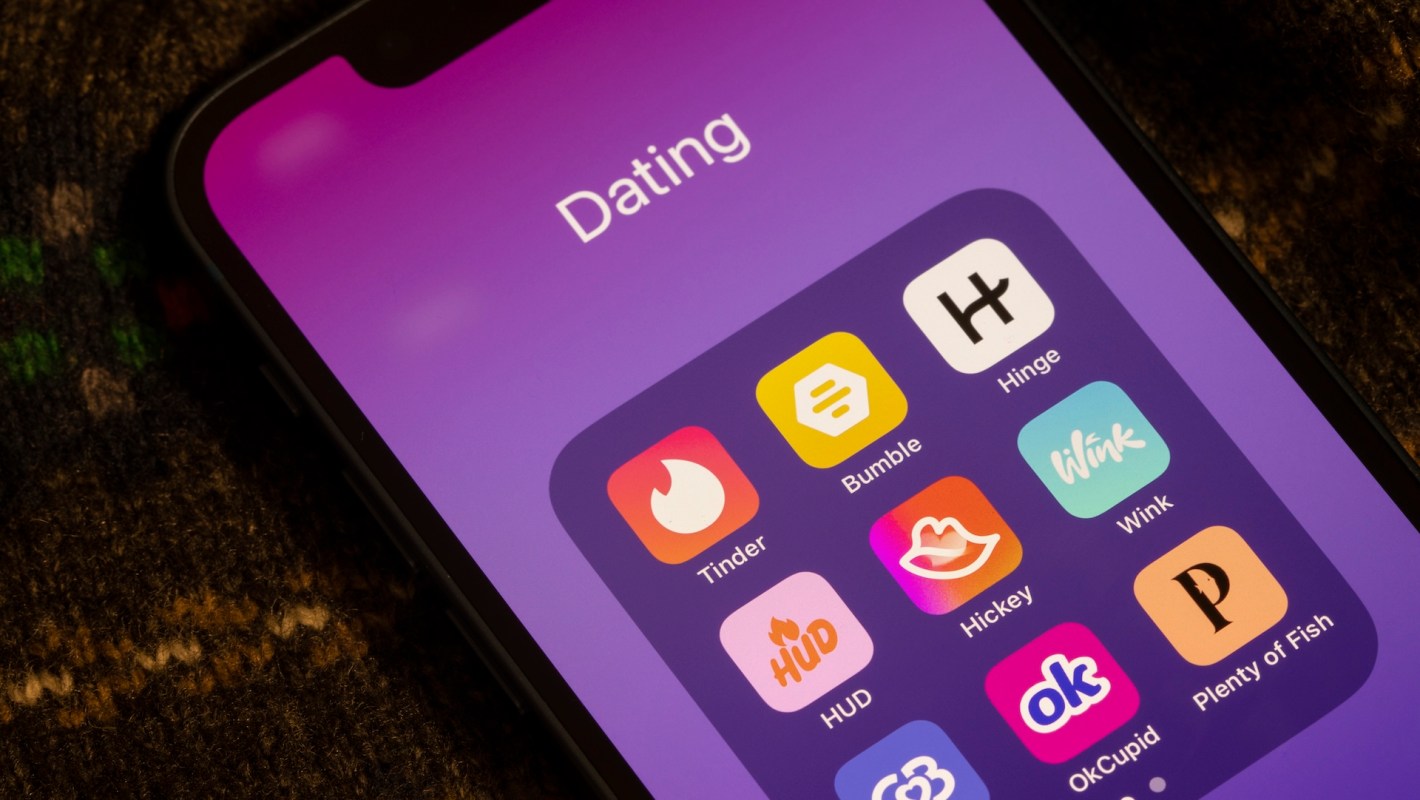
The Federal Trade Commission issued a complaint alleging that OkCupid and affiliate Match Group Americas granted an unauthorized third party access to millions of users' personal data.
What's happening?
According to an FTC news release, OkCupid users alleged that the dating app illegally shared their sensitive information, including photos, demographic information, and location data, with an unrelated third-party facial recognition company identified as Clarifai without notifying users or giving them an opt-out opportunity.
This contradicted OkCupid's privacy promises, which stated the company would not share users' personal information except with service providers, business partners, and other companies in its family of businesses.
Clarifai is an artificial intelligence company founded in 2013 that makes facial recognition software. It had no documented business relationship with OkCupid, nor did it pay for the data or provide any services in return, according to the release.
OkCupid's founders were investors in Clarifai, which the FTC said was the reason behind the data offering. Per the complaint, the Clarifai CEO emailed an OkCupid founder in September 2014 to ask for "access to large datasets of OkCupid photos."
OkCupid and Match Group Americas agreed to a settlement that barred them from misrepresenting how they collect, maintain, use, disclose, delete, or protect users' personal data.
The FTC just settled with OkCupid and Match Group for secretly handing nearly 3 million users' dating profile photos and location data to Clarifai, a company that builds facial recognition software(!!!).
— Douglas Farrar (@DouglasLFarrar) March 30, 2026
The penalty? A promise not to do it again. pic.twitter.com/o06CdYBC8r
Why is this data privacy case important?
Privacy measures are crucial considerations for many individuals when selecting secure online dating platforms, especially given the range of identifiers they may upload, such as photographs, IP addresses, and phone numbers.
But this goes beyond dating apps. In the age of artificial intelligence, IBM explains that when sensitive information is collected and used to create and fine-tune AI and machine learning systems, it increases the likelihood that personal data will appear where it doesn't belong.
This exposes individuals, knowingly or unknowingly, to risks such as identity theft, fraud, and other cyber-related threats.
What's being done about data privacy in the age of AI?
Though the order did not involve financial penalties, OkCupid and Match were prohibited from misrepresenting the extent to which they collect, maintain, use, disclose, delete, or protect covered information.
TCD Picks » Quince Spotlight
💡These best-sellers from Quince deliver affordable, sustainable luxury for all




|
Which of these savings plans for rooftop solar panels would be most appealing for you?
Click your choice to see results and earn rewards to spend on home upgrades. |
 Save $1,000 this year 💸
 FTC Bureau of Consumer Protection Director Christopher Mufarrige highlighted a key point: that companies should uphold their responsibilities and deliver promised security.
"The FTC enforces the privacy promises that companies make," Mufarrige stated in the announcement. "We will investigate, and where appropriate, take action against companies that promise to safeguard your data but fail to follow through — even if that means we have to enforce our Civil Investigative Demands in court."
This case serves as a reminder for users of any apps and sites to pay close attention to the permissions they grant applications, particularly concerning photos and location access.
Individuals can also take proactive measures to safeguard their information, such as utilizing a virtual private network.

Get TCD's free newsletters for easy tips to save more, waste less, and make smarter choices — and earn up to $5,000 toward clean upgrades in TCD's exclusive Rewards Club.
Cool Picks




