


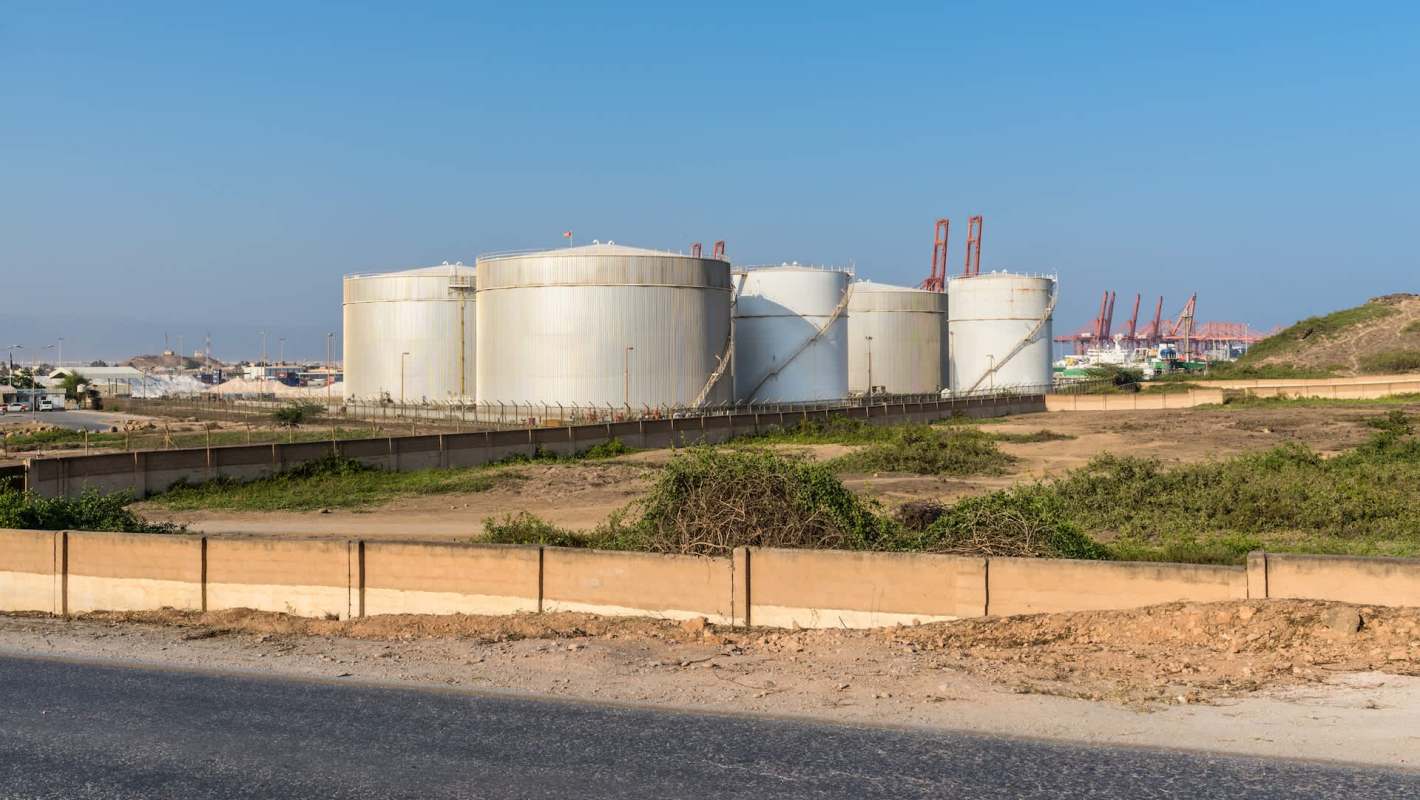
Fresh supply worries jolted oil markets on Friday after Reuters, via Arab News, reported an explosion near Oman's Mina al Fahal export terminal.
However, those concerns eased soon after when Oman said the port was still operating normally, per the outlet.
What happened?
Oman's assurance that Mina al Fahal was "proceeding normally" helped cool the market, Reuters detailed.
After that statement, Brent crude was down 24 cents at $94.79 a barrel, while U.S. West Texas Intermediate fell 56 cents to $92.48. Reuters had earlier cited three sources saying loadings were halted following a blast near the terminal's mooring berths.
The Mina al Fahal terminal moves roughly 800,000 to 900,000 barrels a day. Traders were already uneasy because fighting in the Middle East is ongoing and movement through the Strait of Hormuz remains limited, as Reuters reported.
Even with the downward move, the week is still shaping up as the first weekly advance for both major oil benchmarks in three weeks, the outlet noted.
TCD Picks » Quince Spotlight
💡These best-sellers from Quince deliver affordable, sustainable luxury for all




Why does it matter?
When oil markets get rattled, higher crude prices can feed through to rising gasoline, shipping, and household costs.
Another issue hanging over the market is the decline in global oil inventories, which analysts say could open the door to a new price spike later this year. As recent history demonstrates, the interconnectedness of oil has major implications for energy security, pricing, and supply shocks.
Meanwhile, oil and gas extraction, production, and burning worsen extreme weather disasters that destroy homes, livelihoods, and local economies. They also contribute to air and water pollution linked to asthma, heart disease, cancer, and premature death.
What are people saying?
The update steadied the market, but it remains highly precarious, according to experts speaking with Reuters. That's because of the ongoing fighting throughout the Middle East, plus the uncertainty of ceasefire efforts.
"Any optimism remains heavily clouded by a tangled web of headlines and counter-headlines," IG market analyst Tony Sycamore said in a note shared by Reuters. "From a technical perspective, as long as (WTI) crude oil remains above trendline support in the low $80s, the risks remain skewed to the upside."
Reuters also reported that OPEC Secretary General Haitham Al Ghais said the group is holding to its forecast of 1.2 million barrels a day of demand growth this year, despite six-year lows in Iranian oil exports, the closure of the Strait of Hormuz, and the ongoing Middle East conflicts.

Get TCD's free newsletters for easy tips, smart advice, and a chance to earn $5,000 toward home upgrades. To see more stories like this one, change your Google preferences here.






