


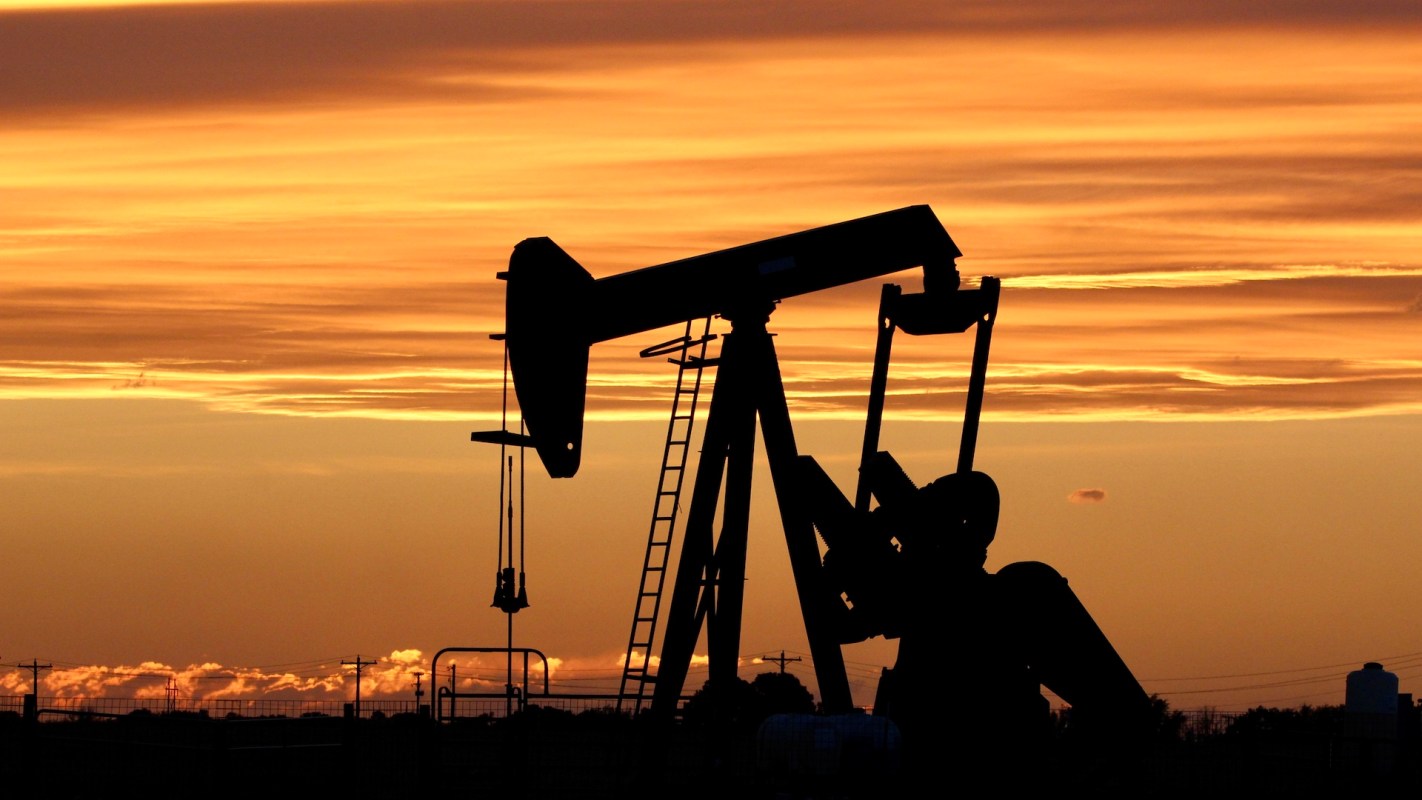
Colorado approved fewer oil and gas wells in 2025, and the total amount of projected air pollution dropped accordingly. But the state's latest data also points to a troubling catch: Each new well is expected to generate more pollution than before.
According to The Colorado Sun, Colorado's Energy and Carbon Management Commission approved 48 oil and gas development plans in 2025 — roughly 20% fewer than a year earlier — covering 801 wells on 81 sites, down from 1,168 newly approved wells in 2024.
That slowdown translated into lower overall projected air pollution. The approved operations were expected to produce 12,676 tons of common air pollutants, about 30% less than in 2024. Carbon dioxide was the largest single pollutant at 867,047 tons, down 21%.
Most of that drilling remained concentrated along the Front Range, where 695 wells — 88% of the statewide total — were approved. The commission linked the overall decline to new rules and a temporary pause in new applications.
On the Front Range, nitrogen oxide pollution from drilling and fracking rose 23% over three years to 6.5 tons per well in 2025, while volatile organic chemical pollution per well was up about 10% from 2024. Statewide methane emissions also rose 27% to 1,120 tons despite the drop in approved plans.
The Front Range is Colorado's most populated region and already struggles with dangerous ozone pollution. The Environmental Protection Agency has designated nine Colorado counties as severe ozone nonattainment areas, meaning the region exceeds federal health standards for the lung-irritating gas.
TCD Picks » Quince Spotlight
💡These best-sellers from Quince deliver affordable, sustainable luxury for all




The commission said longer horizontal wells and larger projects are likely helping drive the rise. Some wells now extend 3 miles or more, and the average well length reached 19,500 feet in 2025, up from 18,500 feet in 2021.
"We're drilling fewer wells, but we're developing longer laterals," said Lynn Granger, president of the Colorado Oil and Gas Association.
Oil and gas extraction and burning harm people and communities in multiple ways. They are a major source of planet-warming pollution, fueling extreme weather disasters that destroy homes, livelihoods, and local economies. They also contribute to air and water pollution linked to asthma, heart disease, cancer, and premature death, while keeping families exposed to high energy costs even as corporate profits rise and industry lobbying delays cleaner, cheaper energy solutions.
Hazardous air pollutants on the Front Range fell to a five-year low of 103 pounds, though many sites are close to homes, schools, and communities. The report also noted that operators have tended to underestimate pollution from carbon monoxide, nitrogen oxides, and volatile organic compounds, making local impacts harder to judge.
Colorado has put several controls in place. Operators must comply with emissions rules, and some have agreed to go further by using electric drilling rigs and other best practices. The state's Air Pollution Control Division said nearly all operators in the ozone nonattainment area are meeting or exceeding NOx intensity targets.
The 48 approved plans are expected to require 321 million barrels of fresh water. To reduce that burden, the ECMC issued first-in-the-nation rules requiring that 4% of the water from oil and gas production be recycled starting in 2026, rising to as much as 35% by 2038. The share of recycled water expected to be used in fracking dropped to 5.2% in 2025 from 11.2% in 2023.

Get TCD's free newsletters for easy tips, smart advice, and a chance to earn $5,000 toward home upgrades. To see more stories like this one, change your Google preferences here.






